Mientras la industria naviera busca acercarse a su objetivo de cero emisiones netas para 2050 mediante la navegación a baja velocidad, las tensiones geopolíticas amenazan estos esfuerzos. Conozca más sobre la Coalición de Primeros Impulsores, la iniciativa del Foro Económico Mundial para reducir las emisiones industriales de carbono.
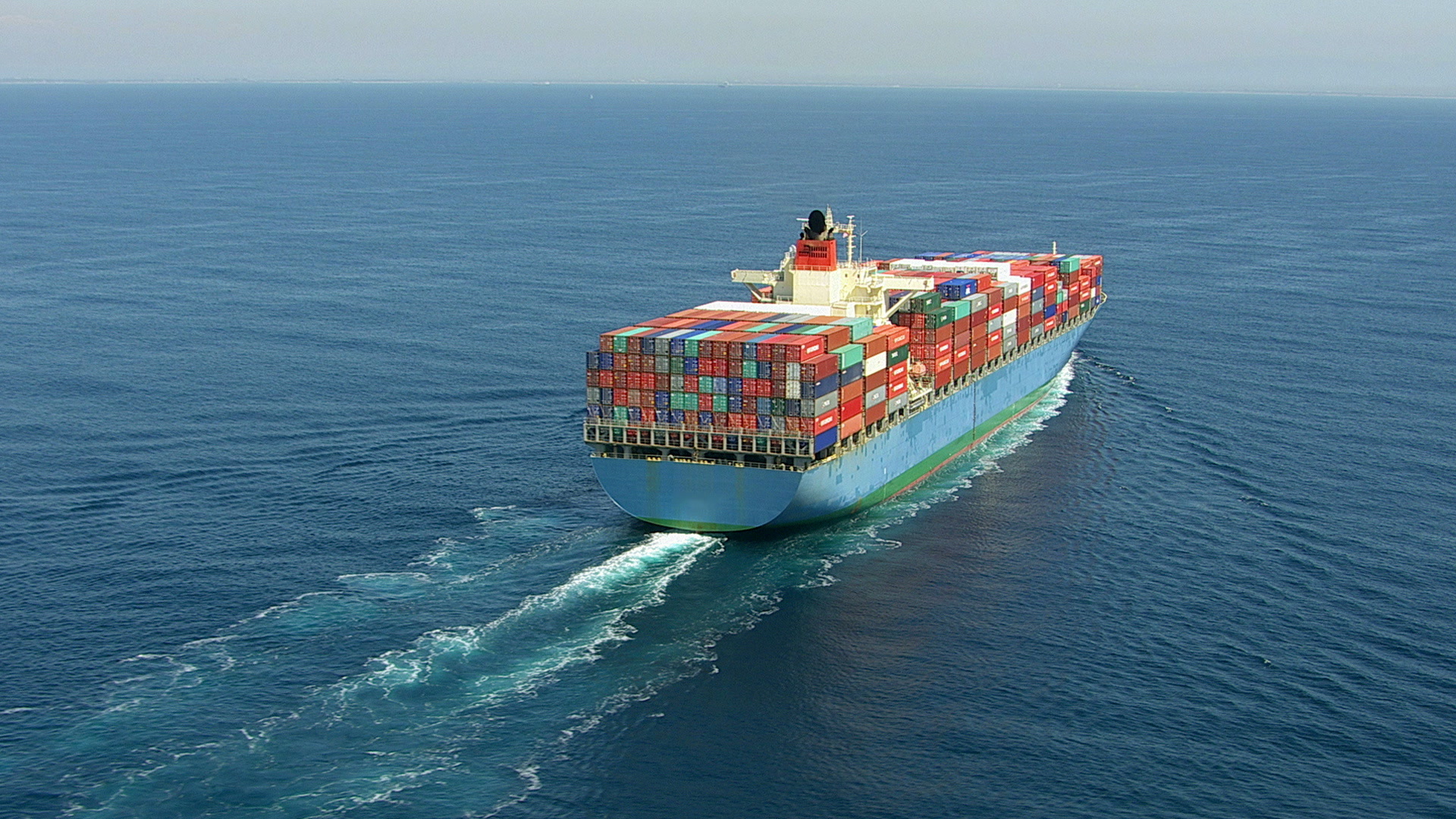
La navegación a baja velocidad consiste en que los buques reduzcan su velocidad para ahorrar combustible. Surgió a principios de la década de 2000 como respuesta al aumento de los precios del fuelóleo pesado. Desde entonces, la navegación a baja velocidad ha evolucionado más allá de una medida de ahorro de costes. Ahora se considera una forma de hacer que el transporte marítimo sea más sostenible.
Navegación a baja velocidad y emisiones netas cero
El sector del transporte marítimo se ha fijado el ambicioso objetivo de alcanzar cero emisiones netas para 2050. Se prevé que la navegación a baja velocidad sea un factor clave para lograr este objetivo, junto con el desarrollo y la adopción de nuevas tecnologías como los combustibles alternativos para el transporte marítimo.
Sin embargo, han surgido nuevos desafíos. Debido a los conflictos en Oriente Medio, muchos barcos optan por desviarse rodeando Sudáfrica, lo que incrementa las emisiones entre un 31 % y un 66 % por viaje. Para cumplir con los horarios, algunos barcos aumentan su velocidad, lo que genera un 14 % más de emisiones por cada nudo adicional.
Cómo la Coalición de Primeros Impulsores está liderando la iniciativa.
La Coalición de Iniciativas Pioneras del Foro Económico Mundial es una iniciativa fundamental en la lucha contra las emisiones industriales de carbono. Los miembros de esta coalición se han comprometido a obtener el 5 % de su combustible de fuentes alternativas de cero emisiones para 2030.
Para saber más sobre este tema, lea aquí.