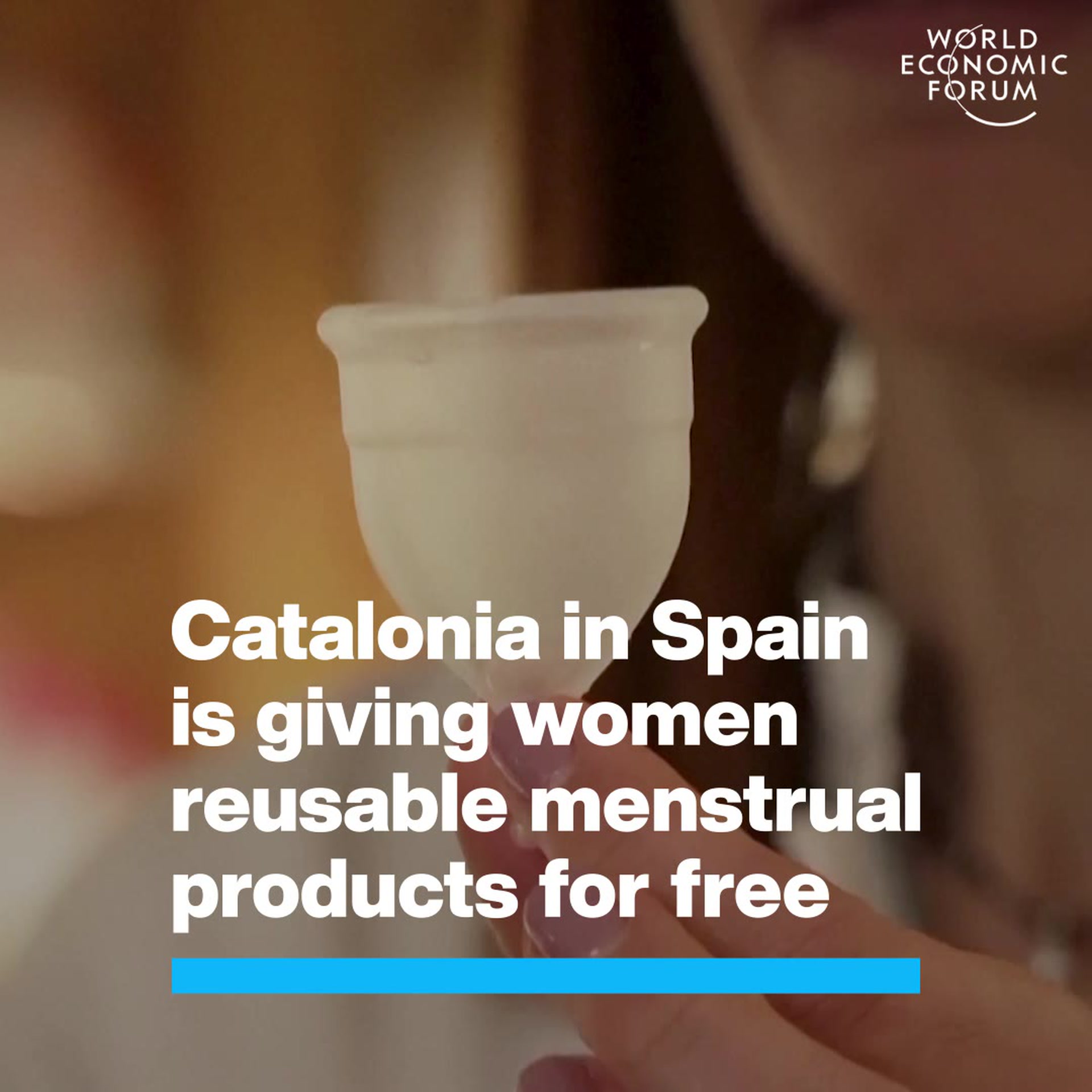
Las copas menstruales, la ropa interior y las compresas reutilizables están disponibles en más de 3300 farmacias de toda la región. Estos productos están al alcance de 2,5 millones de mujeres, niñas, personas no binarias o trans que menstrúan.
Cataluña, una región de España, está dando un paso importante hacia la equidad menstrual al ofrecer productos menstruales reutilizables gratuitos a las personas que menstrúan.
Abordar la pobreza menstrual
Esta iniciativa tiene como objetivo combatir la pobreza menstrual, una situación en la que las personas carecen de acceso a productos menstruales seguros e higiénicos debido a limitaciones económicas.
Un preocupante 44% de las mujeres de la región han declarado haber recurrido al uso de productos menos eficaces o incómodos debido a su coste, mientras que casi una cuarta parte ha tenido que reutilizar productos de un solo uso, arriesgándose a sufrir infecciones y complicaciones de salud.
Promover la equidad menstrual y la sostenibilidad
El programa, denominado "Mi menstruación, mis reglas", promueve la igualdad menstrual. Además, Cataluña busca reducir la generación de residuos fomentando el uso de copas menstruales reutilizables, ropa interior menstrual y compresas de tela.
Estos productos están disponibles de forma gratuita en más de 3.300 farmacias de toda la región y pueden ser utilizados por aproximadamente 2,5 millones de mujeres, niñas, personas transgénero y no binarias que menstrúan.
Un movimiento global por la equidad menstrual.
Escocia se convirtió en la primera nación en ofrecer productos de higiene menstrual gratuitos en las escuelas en 2021. Más de 15 países y regiones, incluidos Kenia, Botsuana y Nueva Zelanda, ofrecen ahora programas similares.
A pesar de estos avances, se estima que 500 millones de mujeres en todo el mundo aún carecen de acceso a productos básicos de higiene menstrual. Organizaciones como la startup india Saathi trabajan para cerrar esta brecha mediante el desarrollo de compresas sanitarias biodegradables y asequibles, elaboradas con materiales sostenibles como fibras de bambú y plátano.