


Empleos y el Futuro del Trabajo
AI、サステナビリティ、脱グローバリズム時代の仕事の未来
ここ数年、世界中の労働者にとってどれほど激動だったかを過大評価することはできません。世界的なパンデミックにより、 エッセンシャルワーカー を除くほとんどの人がロックダウンを経験し、その後は完全に回復することのない産業で、慎重かつ部分的な職場復帰や雇用喪失が発生しました。そしてその直後、戦争による混乱とエネルギーや食料の高騰が起こり、実質賃金は低下しました。
Saadia Zahidi is a Managing Director at the World Economic Forum and a member of its Managing Board. She heads the Forum's Centre for the New Economy and Society, partnering with business, government, academics and civil society in advancing economic opportunity for all. She also oversees the Forum's engagement with universities, think tanks, and academics and its network of Global Future Councils.
She has previously led the Forum's Global Communications Group, Global Programming Group, and the Forum’s engagement with civil society and international organizations. She founded and co-authors the Forum's Future of Jobs Reports, the Future of Growth Reports, the Global Gender Gap Reports, and Chief Economist Outlooks. Saadia has been selected among BBC's 100 Women and has served on the UN Secretary General's panel for Women's Economic Empowerment and the European Space Agency's High-Level Advisory Group.
Her book, Fifty Million Rising, tracking the rise of working women in the Muslim world, won the FT/McKinsey Bracken Bower Prize and was longlisted for book of the year. She holds a BA in Economics from Smith College, an MPhil in International Economics from The Graduate Institute and an MPA from Harvard University.
ここ数年、世界中の労働者にとってどれほど激動だったかを過大評価することはできません。世界的なパンデミックにより、 エッセンシャルワーカー を除くほとんどの人がロックダウンを経験し、その後は完全に回復することのない産業で、慎重かつ部分的な職場復帰や雇用喪失が発生しました。そしてその直後、戦争による混乱とエネルギーや食料の高騰が起こり、実質賃金は低下しました。

Es difícil sobrestimar lo tumultuosos que han sido los últimos años para los trabajadores de todo el mundo. La pandemia mundial de COVID-19 provocó cierres patronales para la mayoría de l...

It is hard to overestimate how tumultuous the last few years have been for workers around the world. The global COVID-19 pandemic led to lockdowns for most people except essential workers...

世界の「ニューノーマル」は、これまで数十年の進歩を通じて解決を目指してきた、食料、エネルギー、安全保障などの基本的な課題に再び取り組むことなるでしょう。私たちは、これまでの過程を振り返り、これからどのように前進することができるのか考える必要があります。

Este artículo fue publicado originalmente en inglés por Time.

Our global “new normal” appears to be a return to solving for basics – food, energy, security – problems our global systems were thought to be on a trajectory to solve. How did we get her...

不況によって影響を受けるのは、これまでは主に男性でした。今は違います。女性の方が大きな影響を受けています。

La actual recesión, a diferencia de las anteriores, que solían ser peores para los hombres, es desproporcionadamente mala para las mujeres.

The current recession, unlike past economic slumps that have tended to be worse for men, is disproportionately bad for women.

La pandemia del COVID-19 ha retrasado en una década el progreso para cerrar las brechas de género en América Latina y el Caribe. Según el informe Global Gender Gap Report de 2021 del Foro...

The COVID-19 pandemic has set back progress to close gender gaps in Latin America and the Caribbean (LAC) by a decade. According to the 2021 World Economic Forum’s Global Gender Gap Repor...

新型コロナウイルスのパンデミックから3年目を迎えた今も、人々の苦しみは続いています。

As the world enters the third year of living through a pandemic, people are struggling.
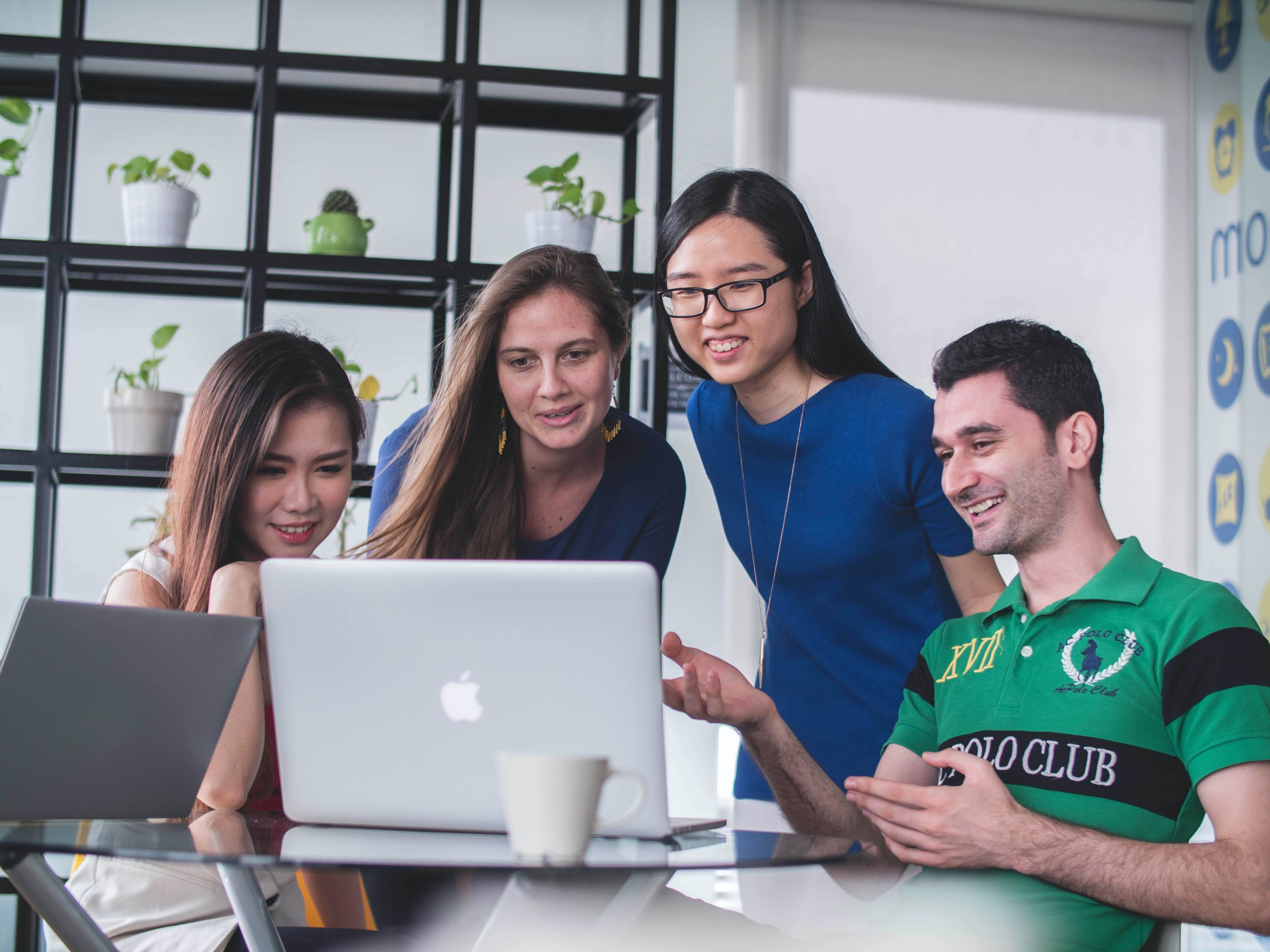
As Turkey prepares to accelerate the transformation of its economy during the COVID-19 recovery, leveraging its human capital will be crucial.

この1年半の間に、世界中で「いつものこと」と考えられていた物事の多くが変わりました。より正確に言えば、経済、ジェンダー、人種的不正義など、何世紀にもわたって人類を悩ませてきた根深い不公平を浮き彫りにしたのです。


