


Inteligencia artificial
三张图读懂AI对工资、工作质量和招聘决策的影响
纵观经济史的长河,每一项通用技术都曾留下深刻的烙印。电力的普及、汽车的诞生、互联网的崛起,它们并非简单优化了原有的生产方式,而是彻底重塑了整个社会。这些技术不仅重构了企业的运营模式,改变了城市的格局,也颠覆了人们的沟通方式,并重新定义了工作的意义。每一轮技术浪潮,都催生了一批又一批此前难以想象的新兴产业与职业。
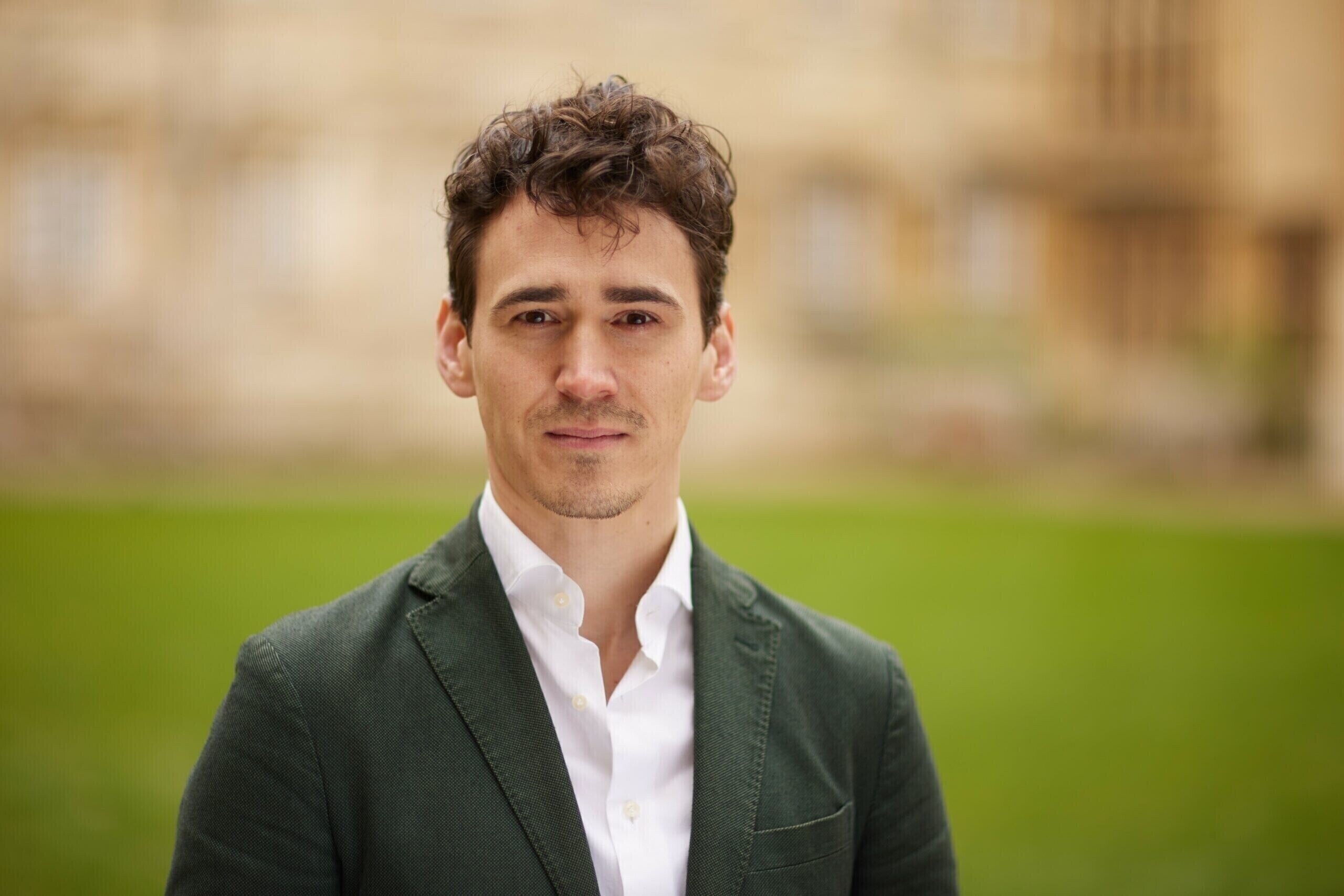
Fabian Stephany is an Assistant Professor in AI & Work at the Oxford Internet Institute (OII), University of Oxford and a Senior Research Fellow with the Institute for New Economic Thinking at the Oxford Martin School. He is also a Future of Work fellow at the Brussels-based think tank Bruegel, an inaugural fellow at Microsoft’s AI Economy Institute, and a research affiliate at the Humboldt Institute for Internet and Society in Berlin. Additionally, he currently serves as a member of the World Economic Forum’s Global Future Council for Human Capital Development.
At the OII, Fabian leads the SkillScale project, which views skills as a central lens through which to understand today’s labour market transitions. By examining how work quality, job growth, and labour market equitability and sustainability respond to technological change, the project investigates how AI skills are becoming increasingly pivotal for workers and employers alike. As part of his Microsoft fellowship, Fabian is currently exploring the role of AI skills in employability—particularly how working with generative AI enhances job prospects and addresses the gender gap between men and women.
Fabian is also a co-creator of the Online Labour Observatory—a digital data hub hosted in collaboration with the International Labour Organization that provides researchers, policymakers, journalists, and the public with insights into online platform work. His research has been published in leading academic journals, such as Research Policy or Science Advances, and has received media coverage in outlets around the world, including The Washington Post, The New York Times, The Telegraph, Nikkei Asia, Handelsblatt, and the Frankfurter Allgemeine Zeitung.
He holds a PhD and other degrees in economics and social science statistics from European institutions, including Università Bocconi in Milan and the University of Cambridge. In addition to his academic positions, he has worked as a senior data scientist in the private sector and regularly advises international organisations such as the United Nations Development Programme, the World Bank, and the OECD.
纵观经济史的长河,每一项通用技术都曾留下深刻的烙印。电力的普及、汽车的诞生、互联网的崛起,它们并非简单优化了原有的生产方式,而是彻底重塑了整个社会。这些技术不仅重构了企业的运营模式,改变了城市的格局,也颠覆了人们的沟通方式,并重新定义了工作的意义。每一轮技术浪潮,都催生了一批又一批此前难以想象的新兴产业与职业。

Las tecnologías de propósito general tienen una huella distintiva en la historia económica. La electricidad, el automóvil e internet no solo mejoraron procesos existentes: reorganizaron l...

汎用テクノロジーは経済史において、独特の足跡を残しています。電気、自動車、インターネットは単なる既存プロセスの改善ではなく、社会そのものを再編成しました。これらは企業の組織構造を変え、都市のあり方を変容させ、コミュニケーション手段を革新し、労働のあり方を再定義したのです。幾度かの技術革新の波が、それまで想像すらされていなかった新たな産業や職業を生み出してきました。

General-purpose technologies have a distinctive footprint in economic history. Electricity, the automobile and the internet did not merely improve existing processes, they reorganised soc...


