La tormenta descargó lluvias torrenciales sobre la ciudad costera de Derna. Dos presas se derrumbaron, lo que provocó lo que las autoridades locales describieron como un «tsunami» de agua. Barrios enteros han quedado destruidos. Más de 34.000 personas han sido arrastradas fuera de sus hogares.
La tormenta Daniel, un fenómeno mediterráneo poco común y potente, ha causado una destrucción generalizada en Libia, donde ha matado a más de 5.300 personas y desplazado a decenas de miles más.
La tormenta descargó lluvias torrenciales sobre la ciudad costera de Derna, donde se derrumbaron dos presas y provocaron un «tsunami» de agua que arrasó barrios enteros. Más de 34.000 personas han sido arrastradas fuera de sus hogares.
Factores que agravaron la tormenta Daniel
La gravedad del desastre se ha visto agravada por varios factores, como la insuficiencia de las infraestructuras locales, el deficiente mantenimiento de las presas y la prolongada inestabilidad política de Libia.
La Media Luna Roja Libia y las Naciones Unidas han prestado ayuda vital sobre el terreno, pero las divisiones políticas del país han complicado las labores de socorro.
El cambio climático podría ser en parte responsable
Los expertos afirman que el cambio climático podría ser en parte responsable de la catástrofe. La tormenta Daniel fue un «medicane», una tormenta mediterránea con características similares a las de un huracán. Según los expertos, el cambio climático está intensificando los medicanes y podemos esperar tormentas más severas en el futuro.
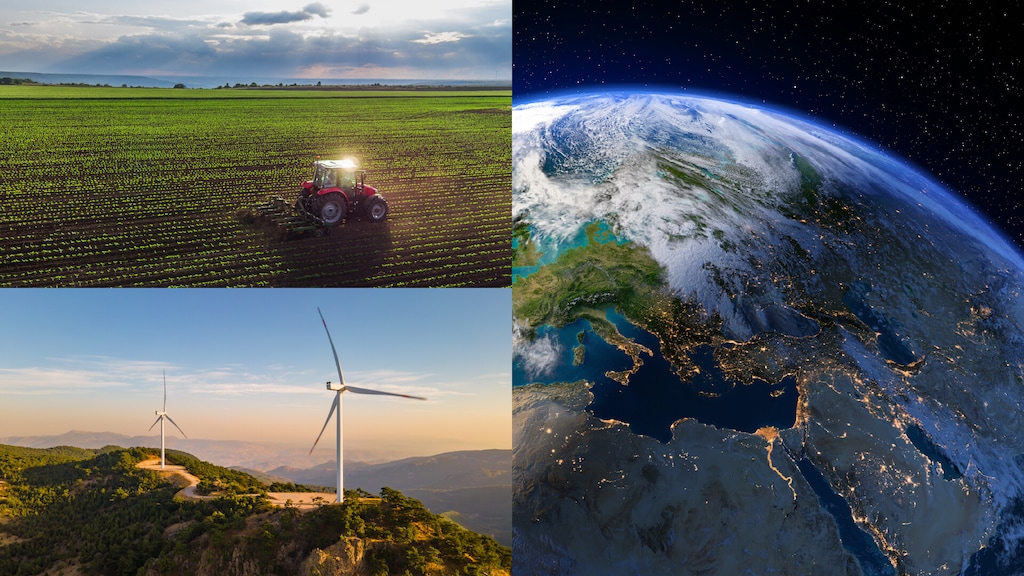
África, en riesgo
Los desastres naturales están entre los riesgos más apremiantes que enfrenta el mundo, tanto a corto como a largo plazo. África se está calentando más rápido que el resto del planeta y, por ello, es la región más expuesta a los desastres climáticos.