
Acción climática
Drought: What you need to know about this growing global risk
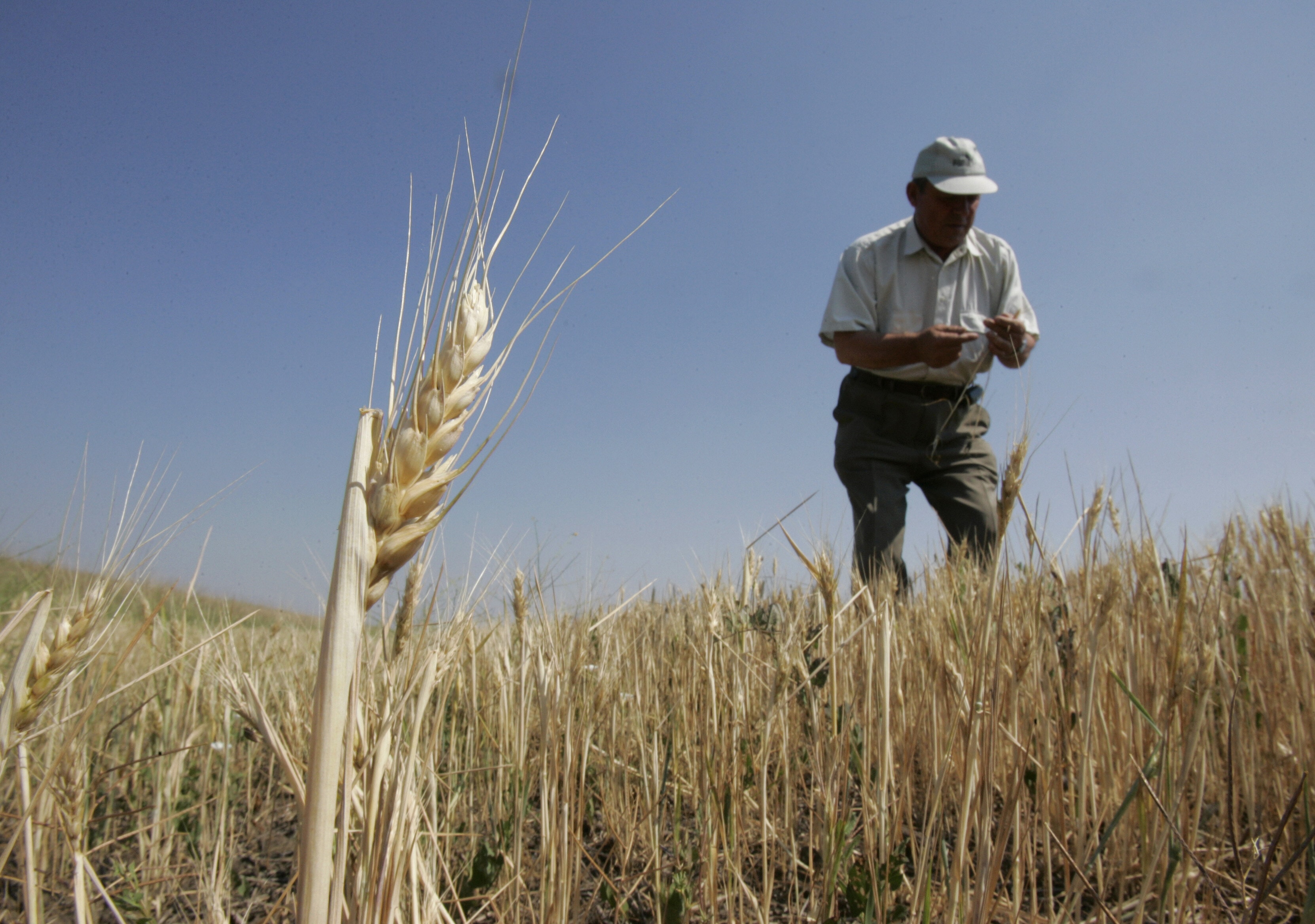
Cracked earth, barren farmland, empty reservoirs.
Cracked earth, barren farmland, empty reservoirs.
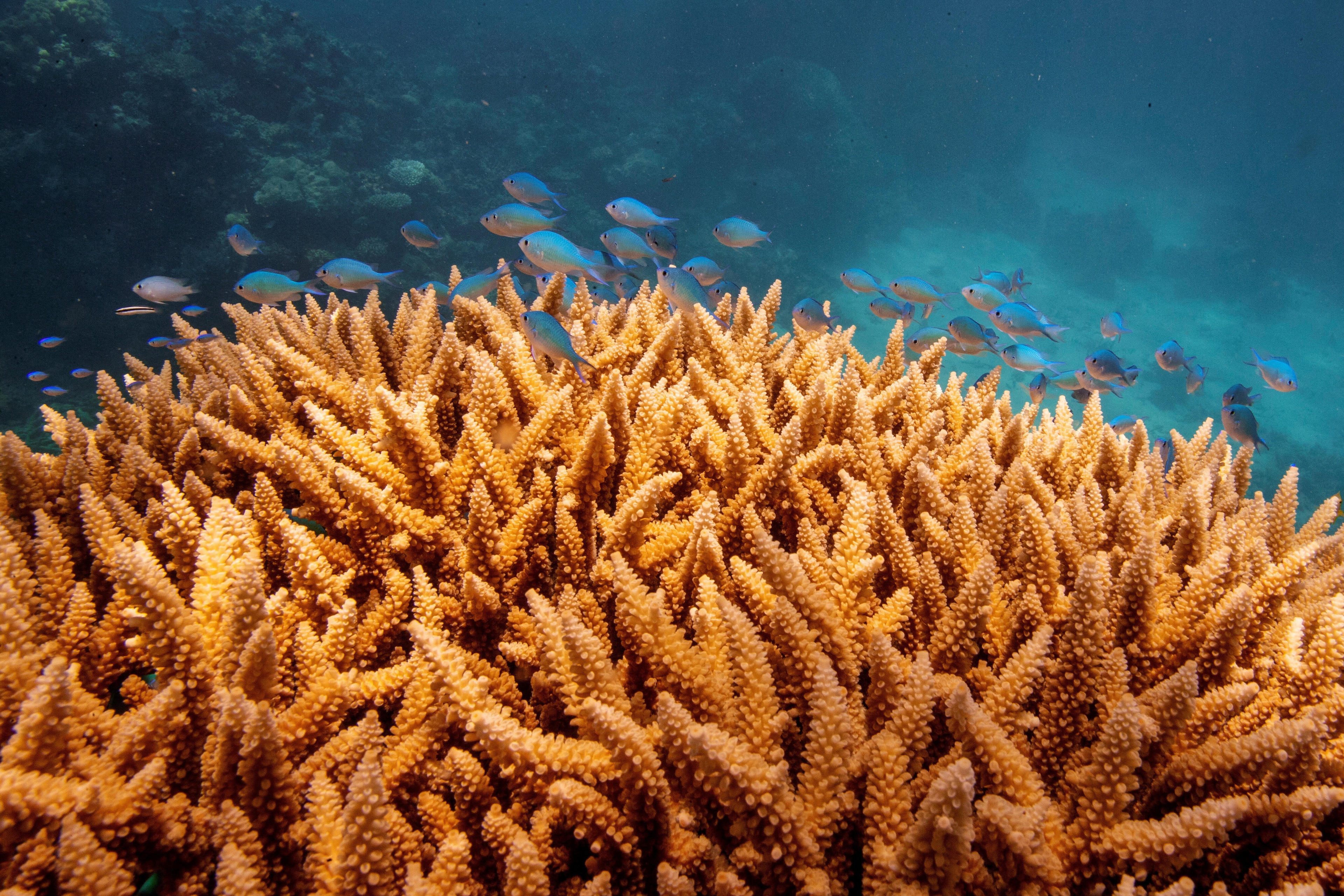
Coral cover across the Great Barrier Reef has experienced its largest annual decline since records began, a report from the Australian Institute of Marine Science (AIMS) has found.
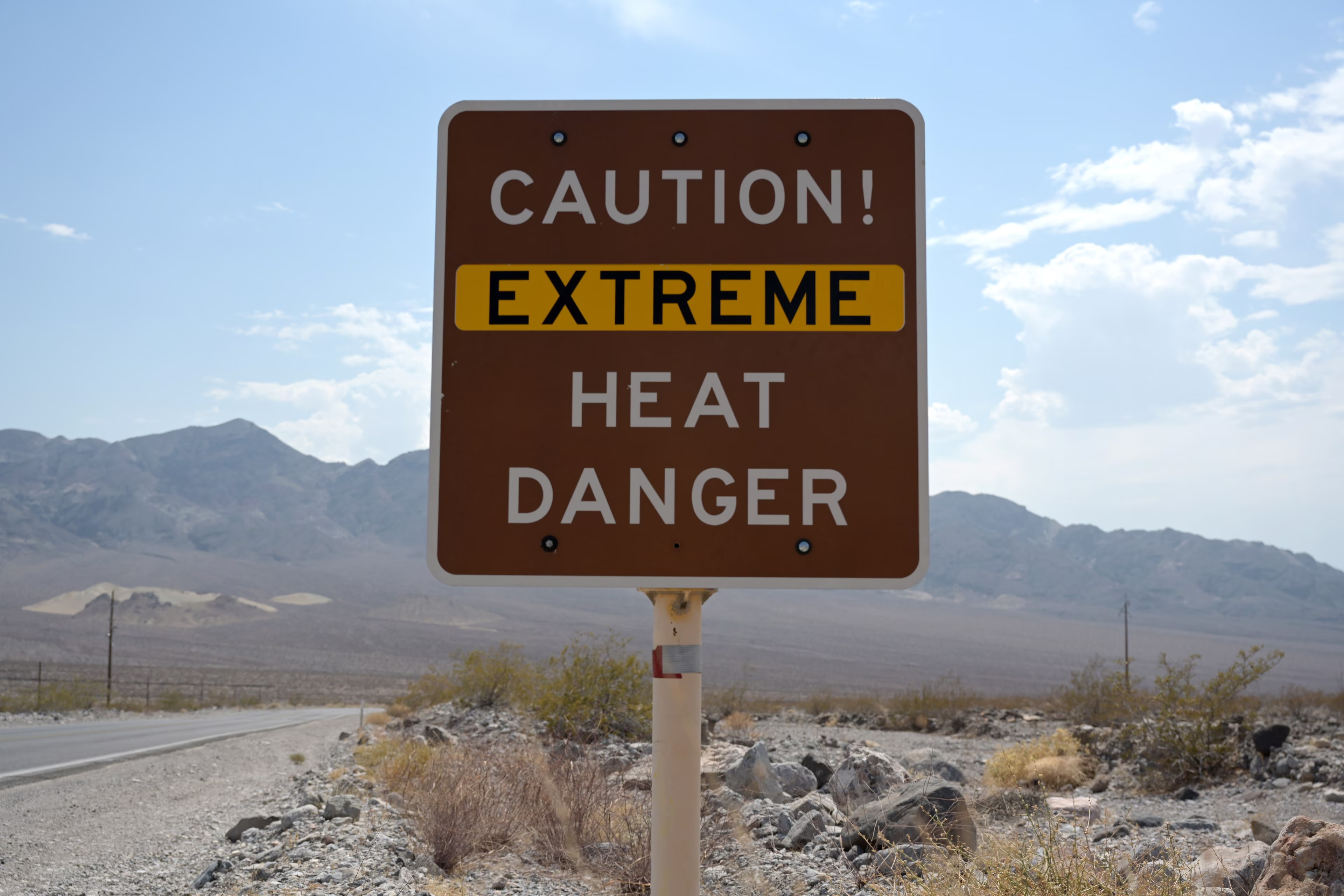
极端高温是当今时代最致命的气候风险。它每年造成48.9万人死亡,超过洪水、飓风、地震和野火造成的死亡人数总和。
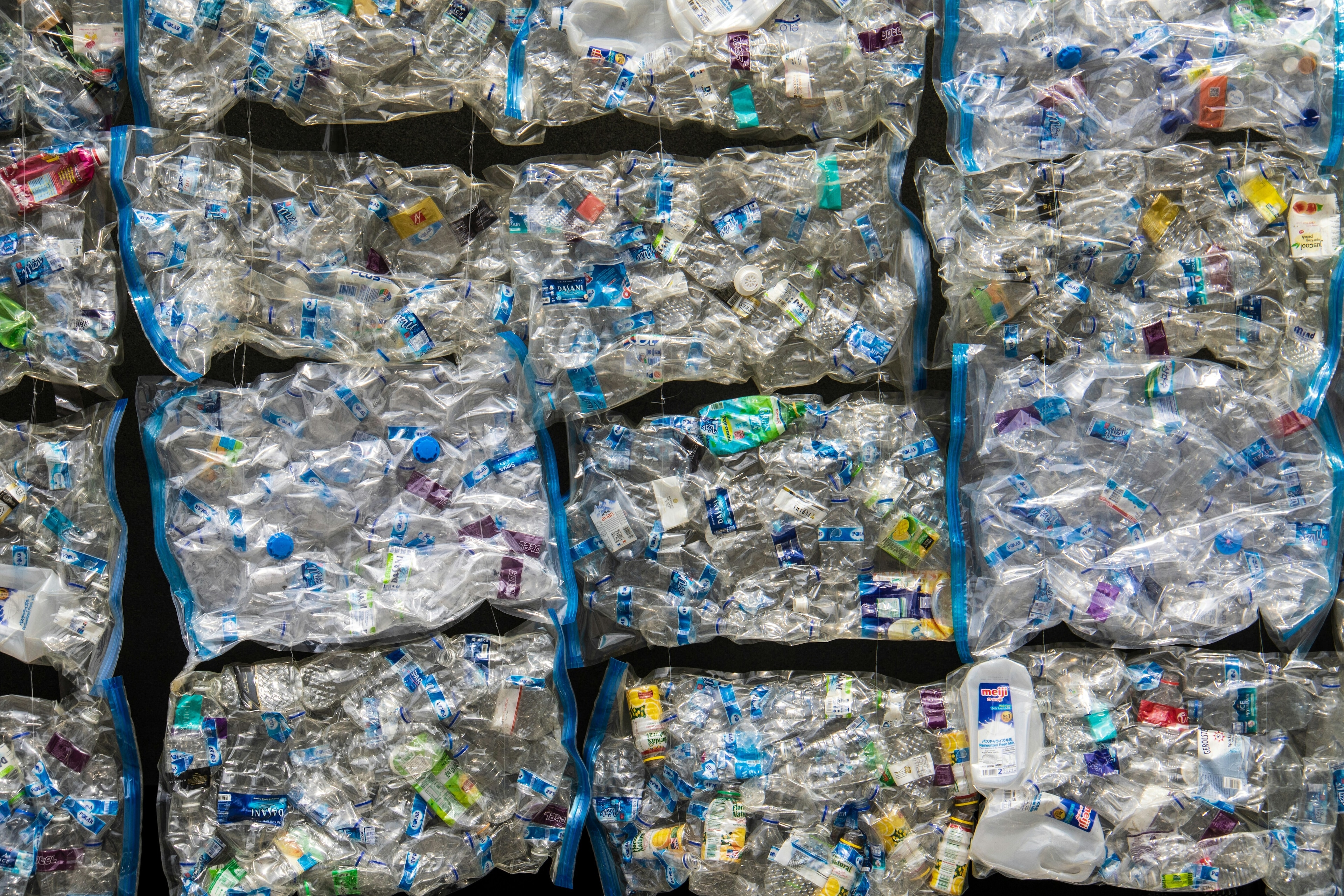
More than 460 million metric tons of plastic are produced every single year, of which an estimated 20 million end up polluting our environment.
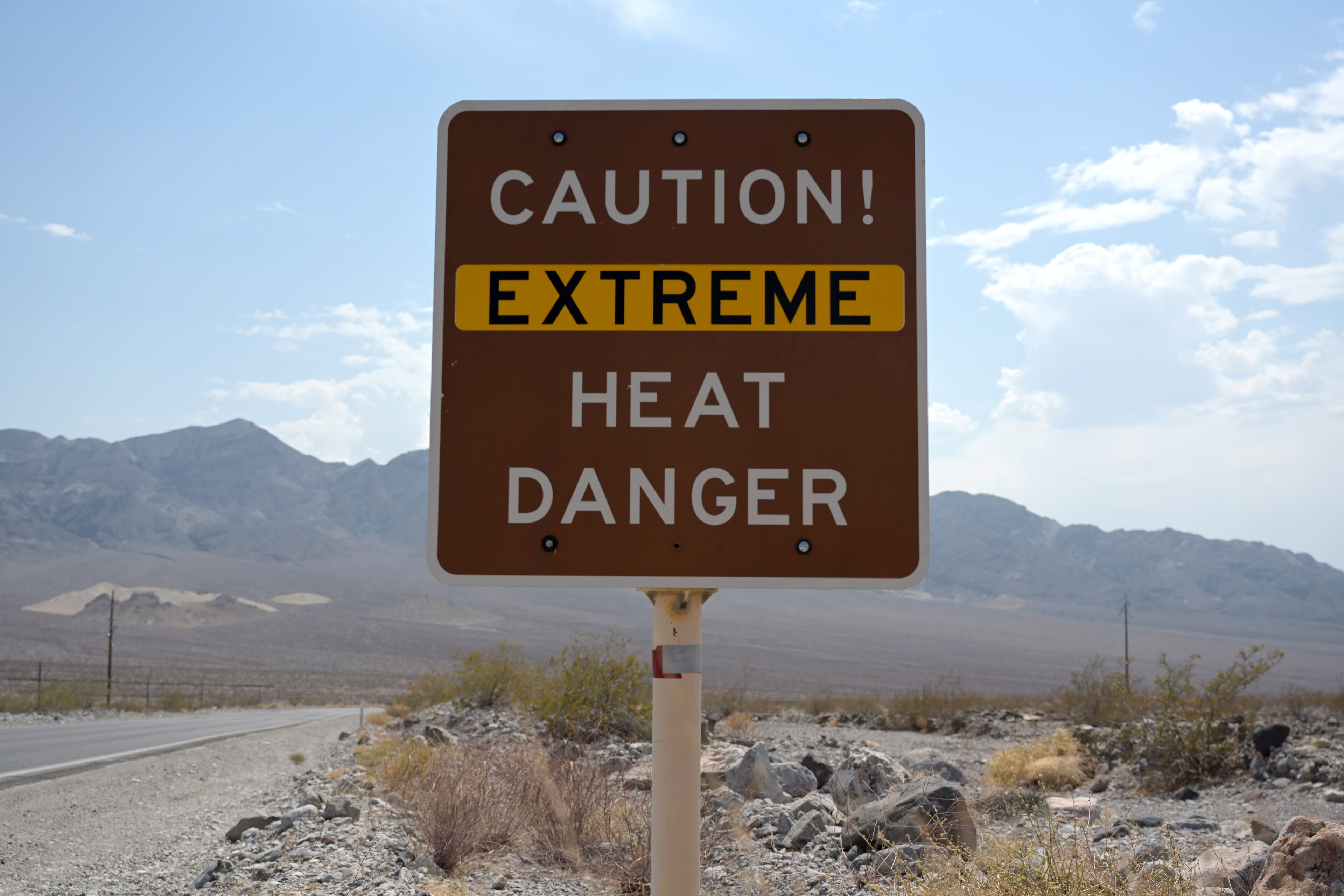
Extreme heat is the deadliest climate risk of our time. It claims 489,000 deaths annually – more than floods, hurricanes, earthquakes and wildfires combined.
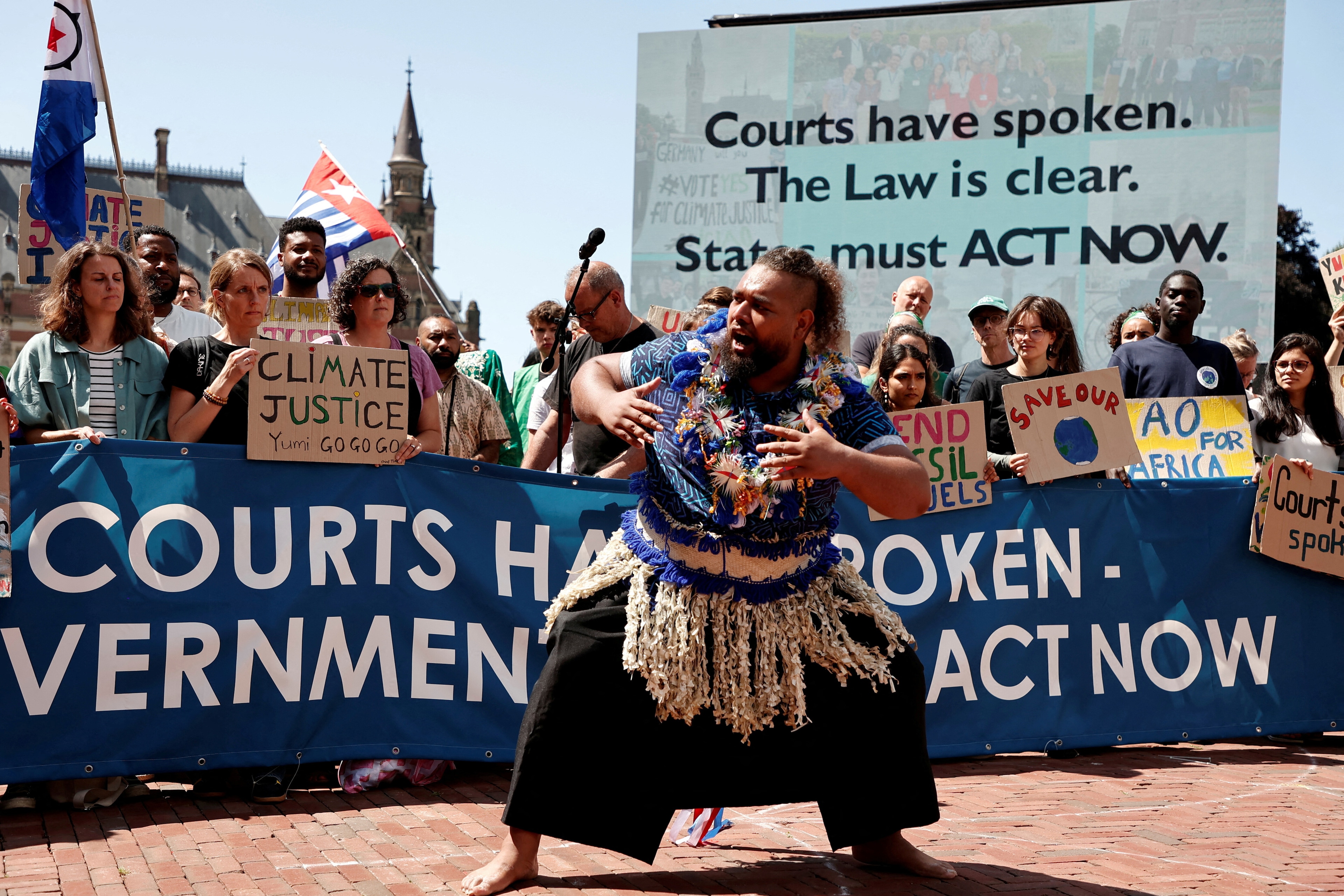
A landmark decision by the International Court of Justice (ICJ), the United Nations' (UN) judicial body and highest court, outlines that countries have a duty to limit environmental harm....

More than 90 million people across eastern and southern Africa are facing extreme hunger as a result of widespread drought, a report from the National Drought Mitigation Center (NDMC) and...

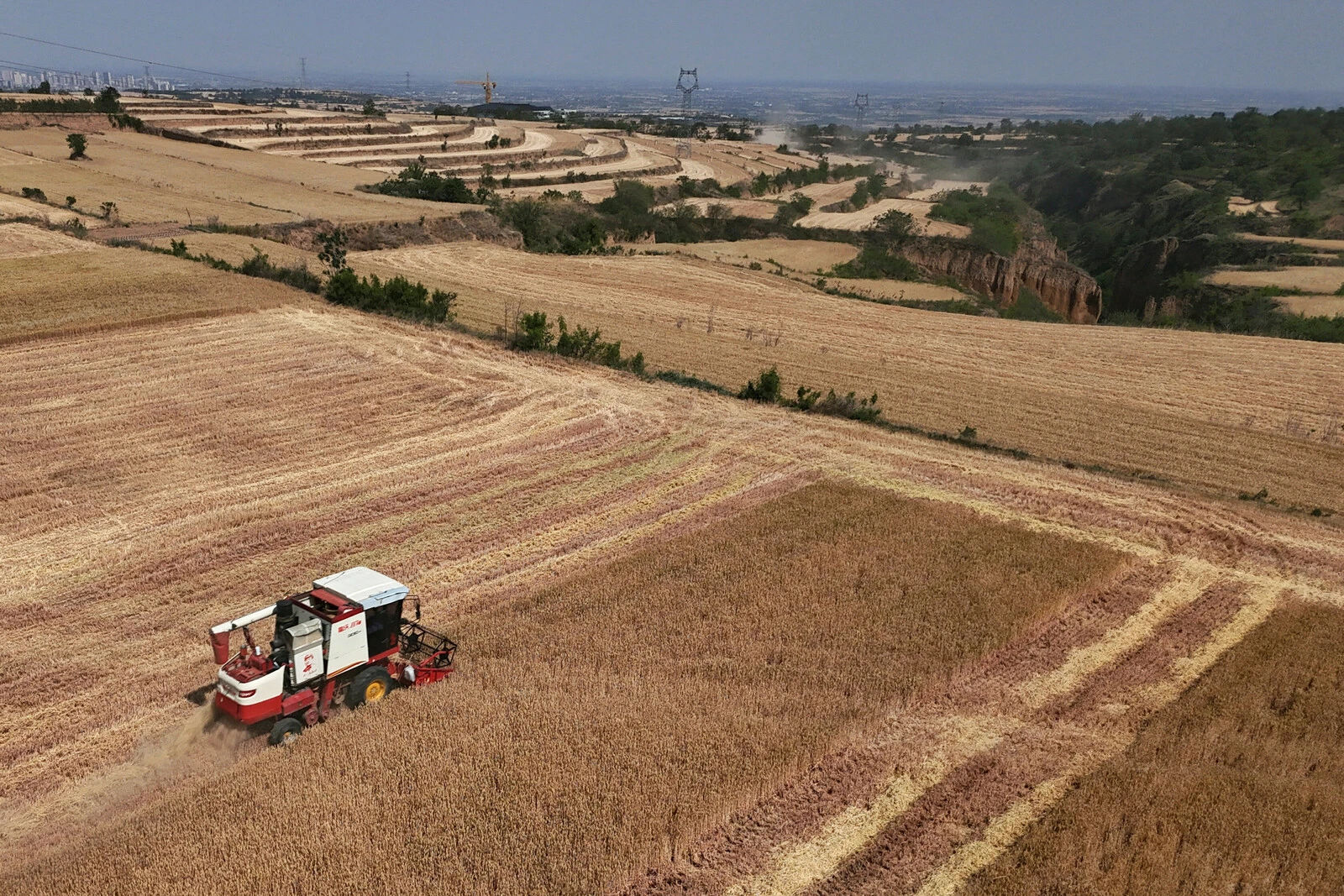
目前,农民平均年龄偏高,超过55岁。

New research suggests that glaciers globally will lose 39% of their mass relative to 2020, even if temperatures stabilize at current conditions.

The tropics lost a record-breaking 6.7 million hectares of primary rainforest in 2024, according to new data from the University of Maryland’s GLAD lab, published via the World Resources ...

Electric vehicle (EV) sales exceeded 17 million globally in 2024, which represented more than 20% of global car sales.

世界農業者機構(WFO)のアルノー・ピュシュ・ペイ・ダリサック会長によると、世界の農業従事者の平均年齢は55歳を超えています。「多くの農業者が近く引退し、職を離れることになるでしょう。これは、若い世代に活躍の機会を提供することにもつながります」と同氏は述べています。

Heatwaves, droughts and wildfires.

The average age of the farmer is high - more than 55 years old.

If the current trends continue, the world could face $145 billion in insured losses in 2025, according to Swiss Re.