
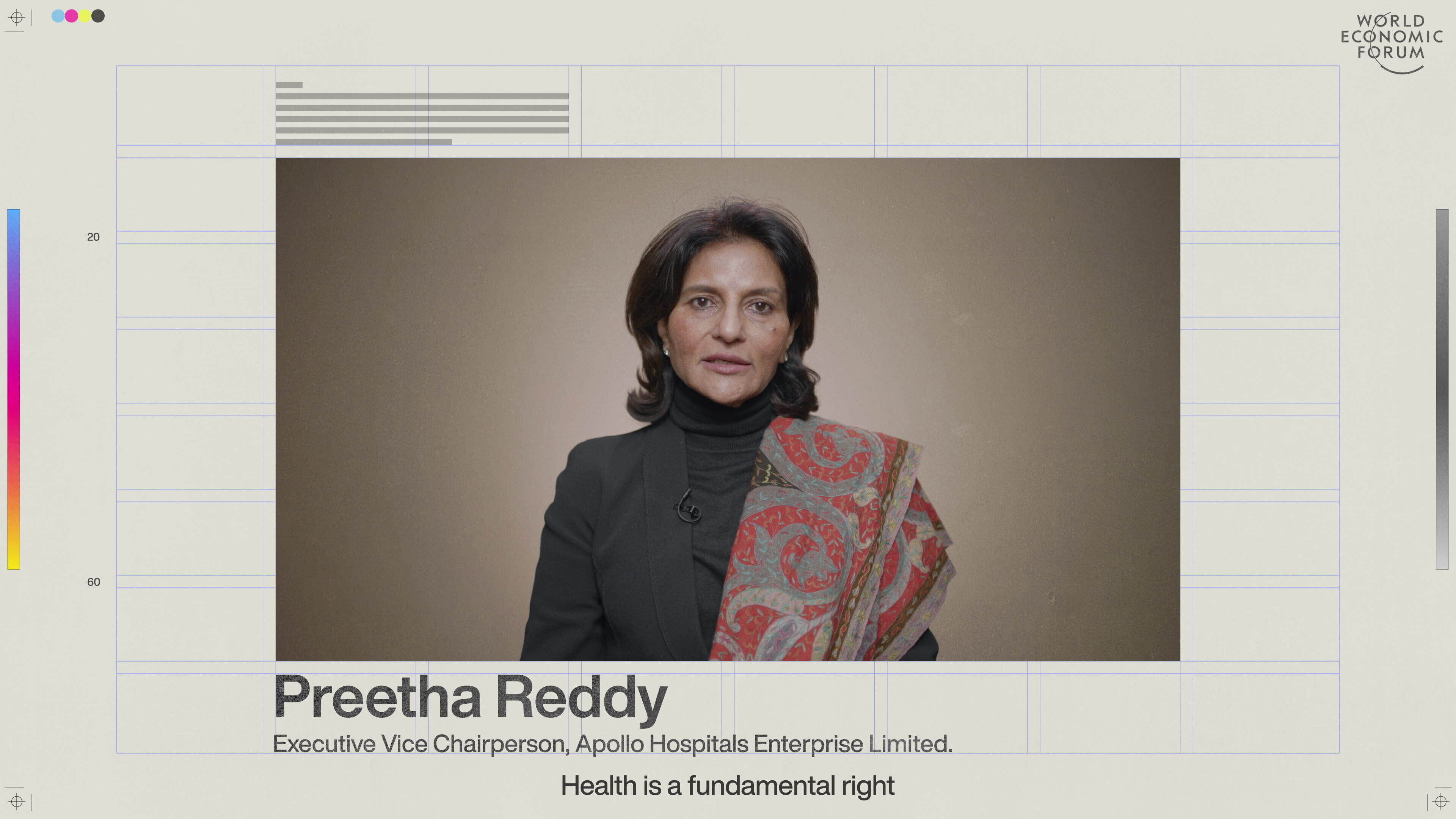

Apollo Hospitals: Leveraging AI, and other technologies, to increase access to healthcare
How can developing economies improve their population’s access to healthcare through collaboration and innovation?
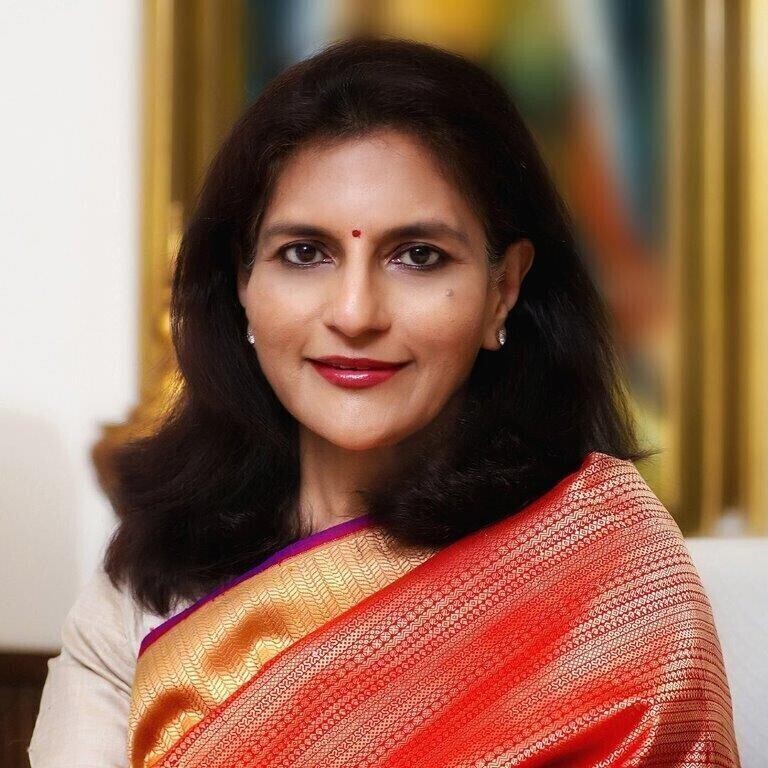
Dr. Preetha Reddy, Executive Vice Chairperson of Apollo Hospitals Enterprise Limited and a founding member, is one of India's foremost healthcare leaders. Since Apollo Hospitals was established in 1983, she has played a defining role in transforming it into the world's largest integrated healthcare provider. Today, Apollo serves over 150 million people from more than 140 countries through a network of over 10,000 beds across 76+ hospitals, 7,500+ pharmacies, 2,500+ clinics and diagnostic centres, and 500+ telemedicine centres, supported by a team of more than 100,000 members.
A passionate champion of clinical excellence, Dr. Preetha has fostered deep clinician engagement and strengthened a culture of evidence-based medicine, enabling Apollo's 12,000+ clinicians to consistently deliver outcomes benchmarked against global standards. She has led the introduction of pioneering medical technologies, including South Asia's first Proton Cancer Therapy and Zap-X, making advanced cancer care more accessible while accelerating the adoption of cutting-edge treatments in India.
Committed to advancing research and innovation, Dr. Preetha established the Cell & Molecular Biology Research Centre (CMBRC) in Hyderabad, fostering a research-driven culture rooted in scientific excellence and ethical clinical research. She also leads the Apollo Research Academy, which brings together research across the Apollo ecosystem to advance investigator-driven studies, precision medicine, digital health, and global healthcare innovation through world-class infrastructure and international collaborations.
As Managing Trustee of the Apollo Hospitals Educational Trust, Dr. Preetha has been instrumental in nurturing future healthcare professionals through strong partnerships with academia, healthcare providers, and industry. In July 2026, she assumed office as Chancellor of The Apollo University, further strengthening her commitment to shaping the next generation of healthcare professionals and leaders.
Dr. Preetha played a pivotal role in securing India's first Joint Commission International (JCI) accreditation and was instrumental in establishing the National Accreditation Board for Hospitals & Healthcare Providers (NABH), helping elevate quality and patient safety standards across Indian healthcare. She currently serves on the Steering Committee for grading NABH Accredited Healthcare Organizations and on the Advisory Board of the IFC and World Bank-founded Ethical Principles in Health Care (EPiHC). She has also served as President of NATHEALTH and President of the All-India Management Association (AIMA).
Beyond healthcare, she serves as an Independent Director on the Board of Larsen & Toubro Limited, is a member of the India Advisory Council of the Schulich School of Business, and serves on the World Bank's High-Level Advisory Council on Jobs.
Dr. Preetha's leadership has earned widespread recognition. She was named among Fortune Asia's 100 Most Powerful Women in both 2024 and 2025, received the Sir Jehangir Ghandy Medal for Industrial and Social Peace from XLRI in 2023, and was honoured with The Economic Times Businesswoman of the Year Award and FICCI's Healthcare Personality of the Year Award in 2021 for Apollo Hospitals' outstanding service during the COVID-19 pandemic. Earlier, she received the ABLF Award for Business Courage in 2018, among several other honours recognising her enduring contributions to healthcare, leadership, education, and social development.
Deeply committed to social impact, Dr. Preetha champions initiatives such as SACHi and the Total Health Foundation, advancing preventive healthcare, community well-being, and equitable access to care. Her leadership in disaster relief and rehabilitation further reflects her unwavering commitment to supporting communities in times of need.
How can developing economies improve their population’s access to healthcare through collaboration and innovation?
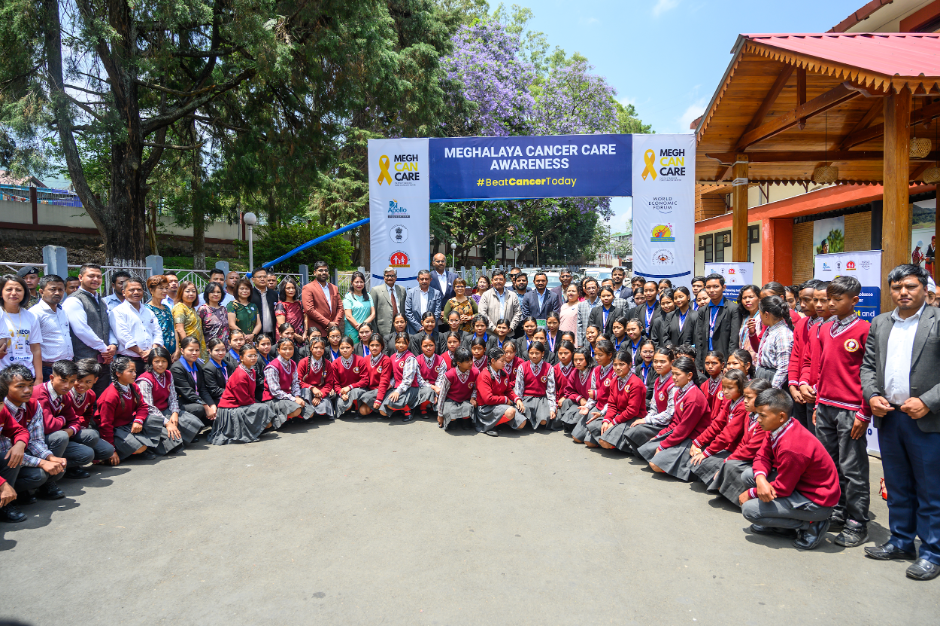
The World Health Organization has declared that, “harnessing new technologies to prevent, diagnose and treat diseases is an important challenge for the next decade”, while the World Econo...
