

Transición energética
中国产业转型给世界带来哪些启示?
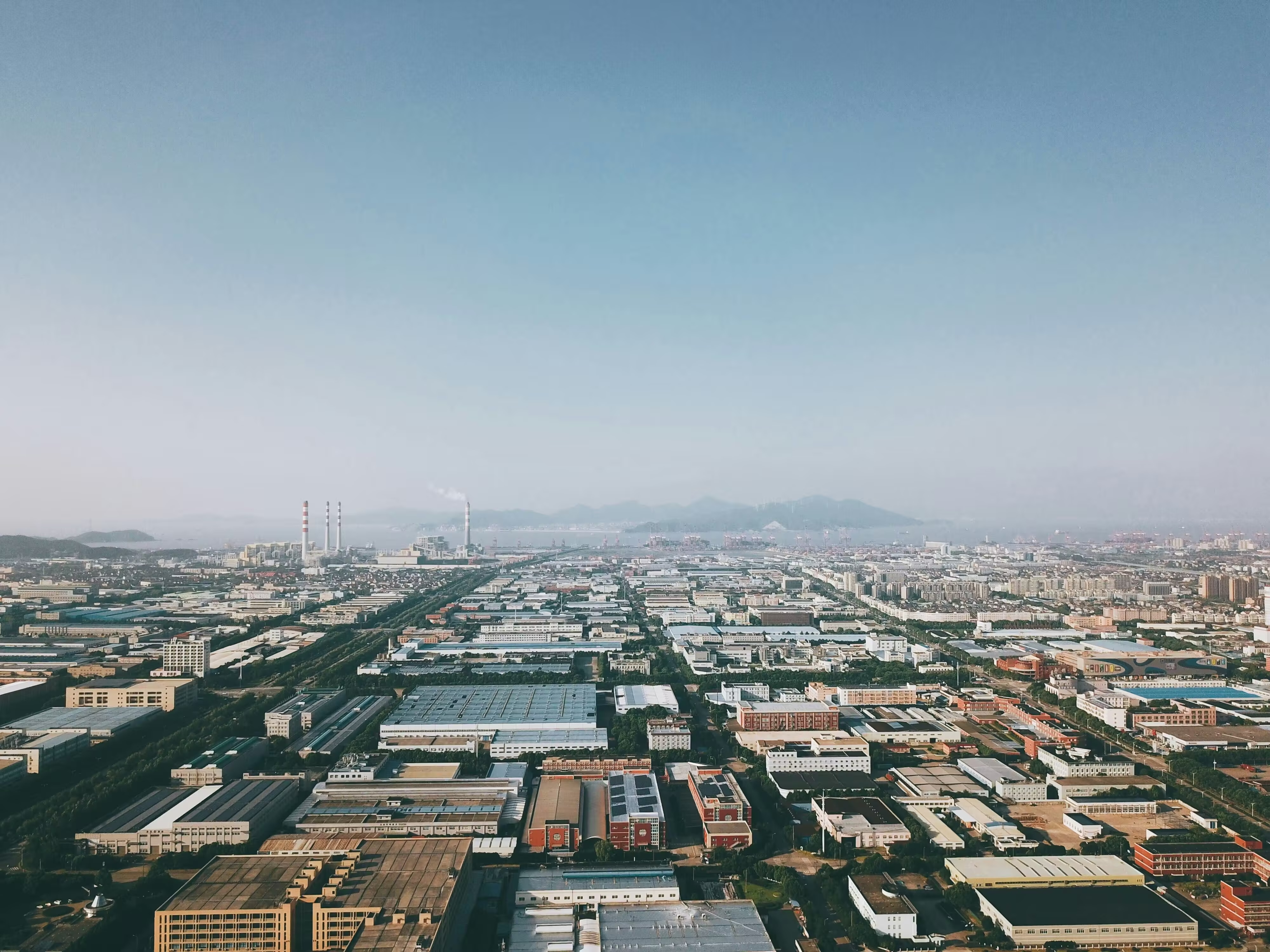
当前,全球经济正处于关键转折点。以人工智能为代表的技术突破、地缘政治格局变化以及全球气候议程,正在深刻重塑全球产业发展的基础。在这个寻求新增长引擎的时代,产业转型已成为诸多经济体应对系统性挑战的重要路径。

Jörgen Sandström is the Head of the Transforming Industrial Ecosystem Program, at the World Economic Forum.
He leads several teams who work in the forefront of industrial transformation, energy transition, sustainability and decarbonisation.
These CEO-led initiatives intend to deliver net-zero materials ecosystems; unlock the technologies, finance and policies that will enable them; and design new sustainable business models towards their future performance.
Current initiatives:
• Transitioning Industrial Clusters initiative: accelerate the transition of clusters through a structured approach to financing, policy, technology and partnerships.
• Securing Minerals for the Energy Transition: Promotes collaboration and innovation to ensure the availability of sustainable and affordable minerals, thereby accelerating the energy transition.
• Modernising (Industrial) Energy Consumption, energy efficiency, electrification, digitalisation and grid planning, scaling-up clean power infrastructure for industrial transformation.
His teams are also supporting:
• First Movers Coalition (downstream): establishing demand commitments, drive procurement innovation and scaling-up breakthrough technologies (Steel, Aluminium, Chemicals, Concrete, Shipping, Aviation and Trucking sectors).
Jörgen is the former Head of Mining and Metals Industry at the World Economic Forum. The World Economic Forum’s Mining & Metals Industry community consists of the world’s leading mining and metals companies, representing a broad range of commodities and all regions.
Jörgen has twenty years of experience working with energy and commodities as well as in diplomacy.
From 2008 to 2016 he was Executive Officer of Addax Bioenergy SA, building up a renewable energy division and leading a large scale bioenergy venture in Sierra Leone, West Africa.
He started his career with the Swedish Ministry for Foreign Affairs with postings in Russia, Switzerland, Kosovo, Afghanistan and Estonia.
当前,全球经济正处于关键转折点。以人工智能为代表的技术突破、地缘政治格局变化以及全球气候议程,正在深刻重塑全球产业发展的基础。在这个寻求新增长引擎的时代,产业转型已成为诸多经济体应对系统性挑战的重要路径。
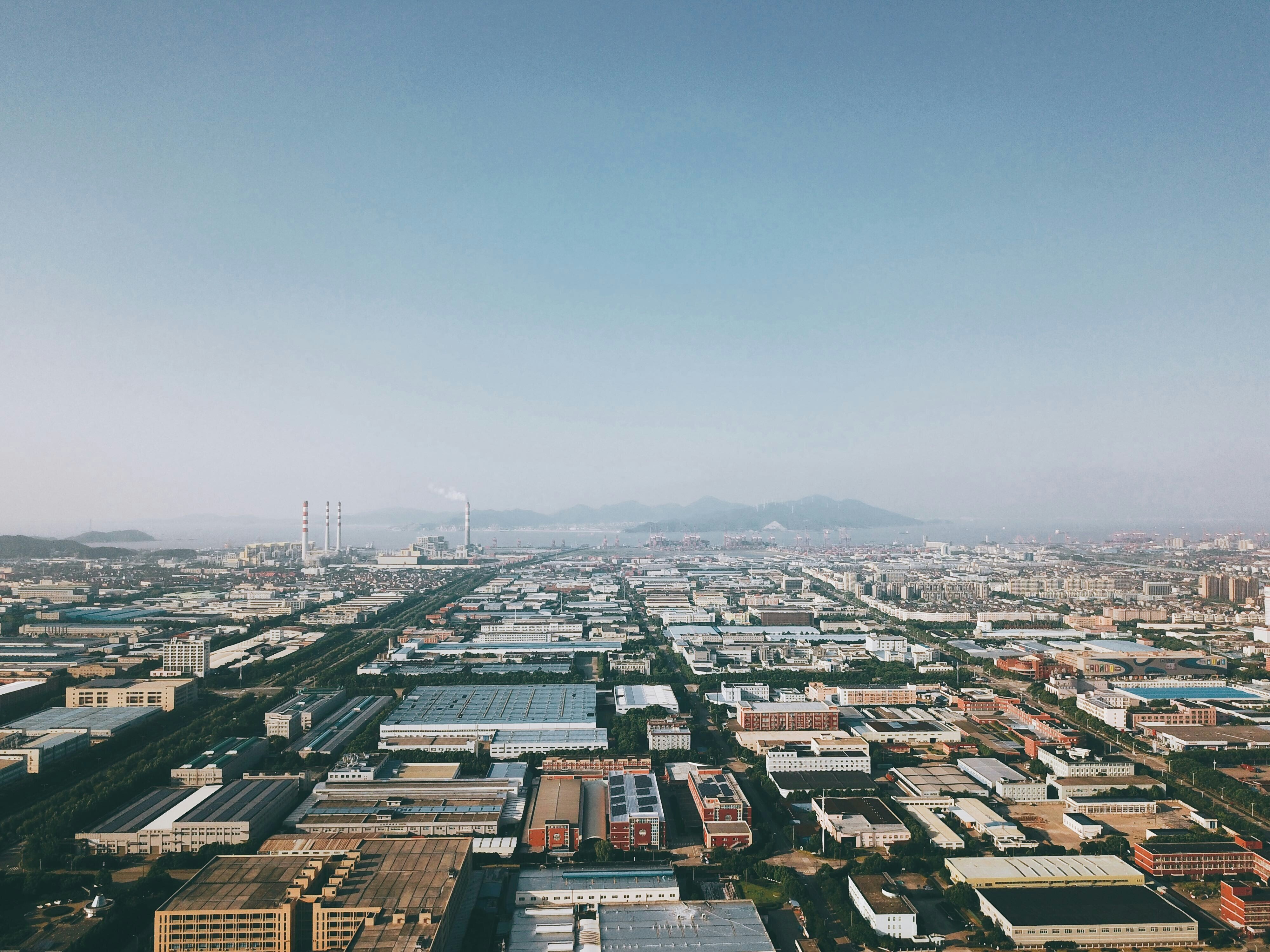
The global economy stands at a pivotal moment. Technological breakthroughs, particularly in artificial intelligence (AI), geopolitical shifts and the global climate agenda are fundamental...
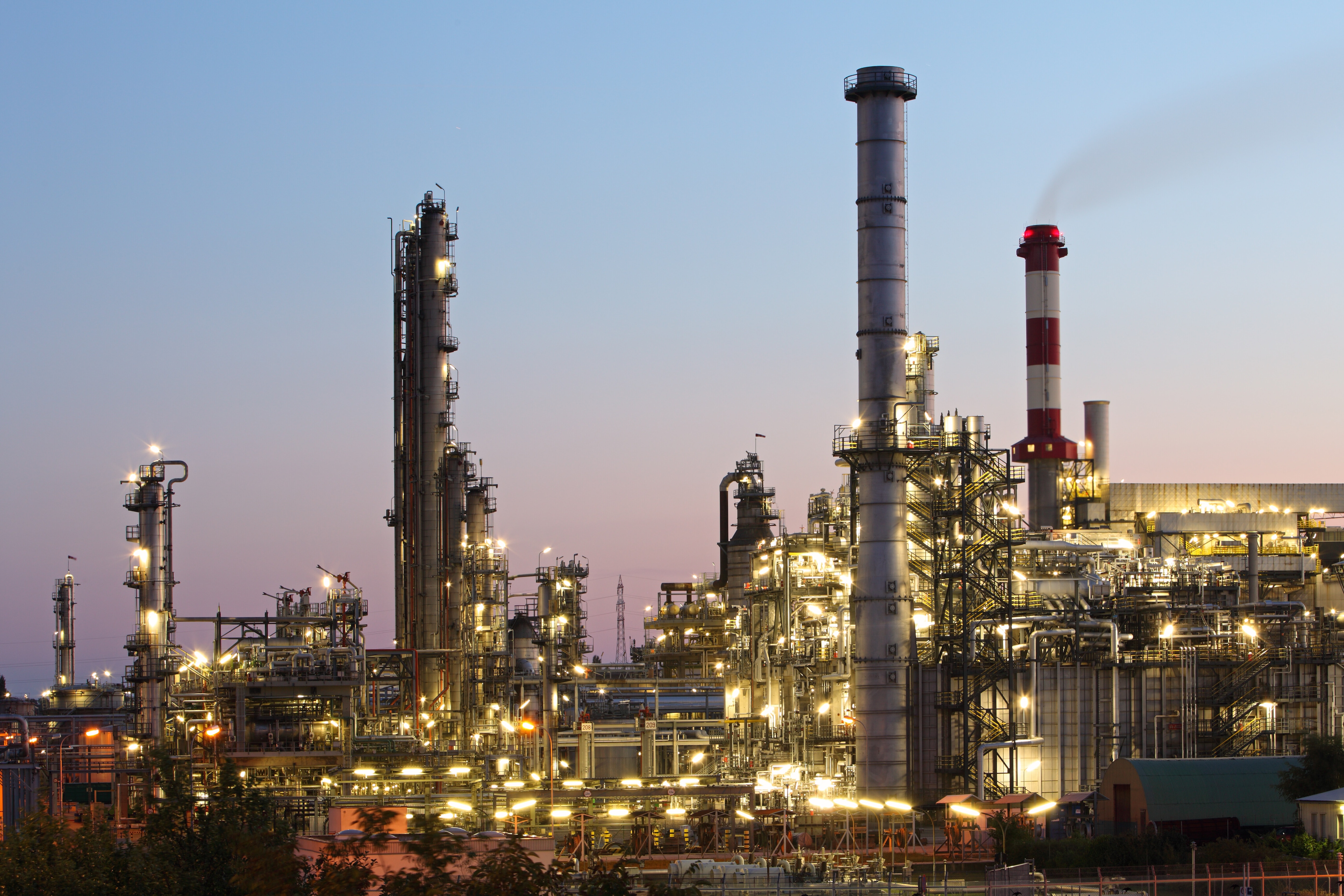
The chemicals and materials sector remains one of the essential foundations of the global economy, enabling industries from mobility and healthcare to construction and agriculture. It con...

China, the world's second-largest economy, is undertaking significant measures to steer its industrial sectors towards sustainable development as global concern about climate change inten...

随着全球对气候变化日益关注,清洁能源转型成为各国优先事项。中国作为世界第二大经济体,正在采取一系列措施推动工业部门向可持续发展转型。工业部门包括化工、钢铁、水泥等能源密集型行业及机械、采矿、纺织等非能源密集型行业,是经济增长的重要支柱。中国工业部门的碳排放占全国总碳排的三分之一,且预计增长趋势将持续到2030年达到峰值。为了实现碳中和目标,中国的工业脱碳需要在2030年后...

能源转型在安全性、可负担性和可持续性之间引发的了巨大且日益加剧的紧张关系,因此提升能源效率对于实现气候和发展目标具有重要意义。好消息是,针对能源效率采取的行动具有巨大的潜在净收益:在需求端采取提高用能效率等措施可将能耗减少多达31%。到2030年末,每年可节约高达 2 万亿美元,并减少大量排放。

Rising demand for low-carbon technologies is escalating the need for critical minerals. These technologies require more minerals than their conventional counterparts, such as coal, oil an...

As the energy transition creates immense and growing tensions between the imperatives of security, affordability and sustainability, action on energy efficiency is crucial to achieve clim...

重工业和运输业是全球污染最严重的行业,而能源转型是确保其加快采用绿色能源的关键。然而,拥抱多燃料的未来不仅需要新能源,还需要有韧性的数字和物理基础设施来帮助实现可持续能源的生产和分配。

The energy transition is key to ensuring the world’s biggest polluting sectors – heavy industry and transport – accelerate the adoption of green energy. However, embracing a multi-fuel fu...

India is the world's third-largest economy in terms of energy needs – and its energy demand is projected to surge 35% by 2030. For India to achieve net-zero emissions by 2070 as planned, ...

There are many barriers preventing clean hydrogen projects from reaching final investment decision (FID). Here, we take a closer look at the importance of securing clean hydrogen offtake ...

Cement, and by extension concrete, is the linchpin of the built environment. Global demand for it has nearly tripled in the last 20 years, and estimates suggest it will continue to grow t...

Demand for cement – the key ingredient in concrete – is soaring on the wings of a global infrastructure and building boom driven by the expansion of both developing and developed economie...

China is the world’s largest producer of primary aluminium, accounting for nearly 60% of the global market. Simultaneously, the aluminium industry contributes significantly to China’s car...


