


Sociedad Civil
集団的インテリジェンスが、強制労働防止に果たす役割
強制労働は、私たちが直面する最も根深い人権課題の一つであり続けています。約2,800万人が、様々な産業、国境を越え、グローバルサプライチェーンの奥深くで、依然として強制的な労働に囚われています。
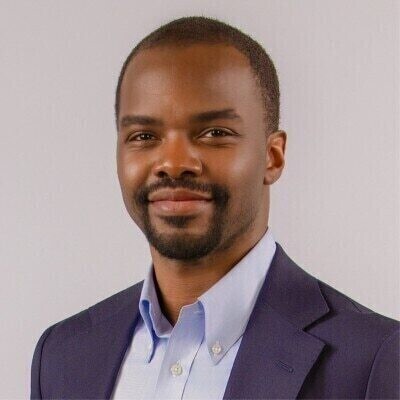
David Sangokoya is the Head of Civil Society and Responsible Governance at the World Economic Forum, based in Geneva. As part of the Forum’s work in fostering global cooperation, the Civil Society and Responsible Governance team works to help leaders navigate trust, accountability and stakeholder complexity in an increasingly fragmented global environment. The team manages the Forum’s global engagement with civil society communities (including NGOs, labour unions, faith based organizations and grassroots leaders), and advances multistakeholder initiatives focused on business integrity and trust, labour rights, forced labour and responsible business conduct, including the Partnering Against Corruption Initiative (PACI), the Global Data Partnership Against Forced Labour, Business and Labour Dialogues, and a number of Global Future Councils spanning related topics.
Prior to the Forum, David worked at the intersection of human rights, sustainable development and responsible digital transformation. He previously led research and multistakeholder collaborations on data responsibility and the governance of data sharing and AI at Data-Pop Alliance, a global coalition created by Harvard, MIT Media Lab and the Overseas Development Institute. He also worked as a data for good researcher at the Governance Lab and on justice and humanitarian innovation research with community organizations and social enterprises in conflict affected countries. He graduated with an MPA from NYU and a BA Hons from Stanford University.
強制労働は、私たちが直面する最も根深い人権課題の一つであり続けています。約2,800万人が、様々な産業、国境を越え、グローバルサプライチェーンの奥深くで、依然として強制的な労働に囚われています。

Forced labour remains one of the most stubborn human rights challenges we face. Nearly 28 million people are still trapped in coercive work across industries, across borders, and deep ins...

The World Economic Forum’s Annual Meeting in Davos has always been a melting pot of ideas. It's where global leaders from diverse sectors come together to address the world’s most pressin...

With less than five years to reach the 2030 Sustainable Development targets, private and public stakeholders alike are increasingly recognizing the indispensable role of Indigenous people...

Strikes, talent shortages and disruption have been dominating the news related to labour affairs in the United States. Moreover, the critical clean energy transition, the acceleration of ...

The transition to clean energy is making headway and picking up pace. As shown by the recent report Fostering Effective Energy Transition released this summer, the global average score of...

Al celebrar el Primero de Mayo, recordamos el papel fundamental que han desempeñado los sindicatos en la configuración de nuestras economías y sociedades de forma que se garantice a los t...

As we celebrate May Day, we are reminded of the pivotal role that trade unions have played in shaping our economies and societies in ways that ensure workers are treated fairly and with r...

Governments, institutions and professional organizations have been trained to think good decisions flow from good governance and that good governance is a product of good representation.

A pesar de representar el 5% de la población mundial, los pueblos indígenas protegen el 80% de la biodiversidad de la Tierra. El liderazgo y los conocimientos de los pueblos indígenas, qu...


Despite comprising 5% of the world population, Indigenous people protect 80% of the Earth's biodiversity. Through their long-standing stewardship of the environment, Indigenous leadershi...

In the face of the COVID-19 pandemic, climate crisis, geopolitical fracturing and now a recession, civil society leaders continue to tirelessly serve those who need them.

Indigenous peoples’ and local community lands cover a third of the earth’s territories. The fact that 91% of them are in good or fair ecological condition today is a testament to the effe...

Pensar a corto plazo, ya sea en las próximas elecciones o en el próximo informe trimestral de resultados, no es adecuado para abordar la crisis climática. Pero, ¿y si hubiera otra forma d...


