スチュワードシップこそが、将来の世代に向けた企業価値を構築する鍵
現代の企業はますます複雑化する環境下で事業運営を行っています。サプライチェーンのボトルネック対応から電力供給の安定性確保、絶えず変化する規制環境への対応、労働力の変革、サイバーセキュリティへの投資の必要性に至るまで、今日のCEO、経営陣、取締役会は、従来の業務範囲や経験をはるかに超える多様な課題に直面しています。
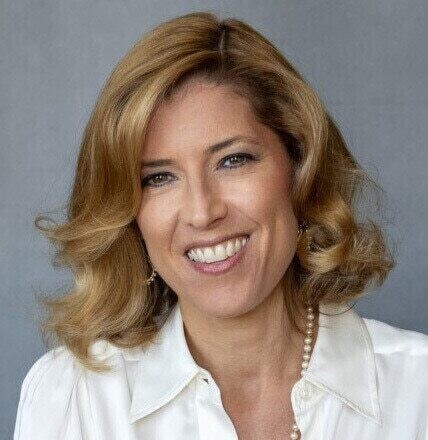
Dr Alexis Crow is Partner and Chief Economist of PwC US. A global economist who focuses on geopolitics and long-term investing, she works with the world’s leading companies and private investors to understand and navigate key macroeconomic dynamics impacting their business, strategy, and capital allocation decisions. In her remit, she covers Europe, Asia, the Middle East, Latin America and North America. Dr Crow is a public speaker and frequent contributor to leading global financial publications and media outlets, including the Financial Times, the New York Times, Bloomberg, BBC, BBC Arabic, France 24, CNN, and Barrons.
In addition to her role with PwC, Dr Crow is a Senior Fellow at Columbia Business School, and also with the Observer Research Foundation in India. She serves as co-chair for the World Economic Forum’s Global Futures Council on Faith in Action, and she is a Young Global Leader in the World Economic Forum. Dr. Crow is a Lector at St. Patrick’s Cathedral in New York. She is a member of the Aspen Program on the World Economy, the Council on Foreign Relations, and the Bretton Woods Committee.
Prior to joining PwC, she taught at the London School of Economics; led a major policy research project at London UK-based think-tank Chatham House; and served as Managing Director at New York-based G2 Investment Group, where she was responsible for providing counsel on geopolitical issues, and on investment strategies for the firm.
Dr Crow holds a MA Hons First Class from the University of St Andrews, Scotland, and an MSc and a PhD from the London School of Economics. She is fluent in French and Spanish, and has a working knowledge of Italian and Portuguese.
現代の企業はますます複雑化する環境下で事業運営を行っています。サプライチェーンのボトルネック対応から電力供給の安定性確保、絶えず変化する規制環境への対応、労働力の変革、サイバーセキュリティへの投資の必要性に至るまで、今日のCEO、経営陣、取締役会は、従来の業務範囲や経験をはるかに超える多様な課題に直面しています。
Businesses operate in an increasingly complex environment today. From navigating supply chain bottlenecks to securing grid stability; a constantly shifting regulatory landscape; workforc...
Amid tariff-induced uncertainty in the global business and economic landscape, many countries, companies and investors have adopted a defensive stance by pivoting toward services.
Los cambios tectónicos en el panorama geo-económico, desde una corrección en los mercados bursátiles de Estados Unidos impulsada por aranceles hasta la posibilidad de un cese del conflict...
Tectonic shifts in the geo-economic landscape – from a tariff-induced correction in US equity markets to the potential for a cessation of conflict in Ukraine – have prompted investors to ...
From the return of war in Europe to the resurgence of armed conflict in the Middle East – and from the rise of the right within certain advanced economies, and a spike in economic nationa...
In a world marked once again by armed conflict, geostrategic rivalry between the world’s two largest economies and military powers, and rising polarization within societies, it is little ...
En lo que se considera un panorama empresarial y un entorno político muy polarizados en Estados Unidos, muchos inversores y ejecutivos se encuentran lidiando con exigencias cada vez mayor...
在商业格局和政治环境趋于两极分化的背景下,投资者和高管需要应对环境、社会及治理(以下简称ESG)任务、报告和偏好要求的不断增长。对于美国,在其文化分裂的背景下,各政治阵营在是否对社会和全球问题采取立场上往往意见不一。
In what is considered to be a highly polarised business landscape and political environment in the US, many investors and executives find themselves grappling with the demands of ever-gro...
La seguridad nacional está pasando rápidamente a ocupar un lugar prioritario en las agendas de los gobiernos de todo el mundo. El pensamiento de suma cero en geopolítica va en aumento.
National security is quickly moving to the top of government agendas worldwide. Zero-sum thinking in geopolitics is on the rise.
Este artículo fue publicado originalmente en inglés por el Atlantic Council. Esta versión ha sido acortada.
This article was originally published by the Atlantic Council. This version has been shortened.
This article is adapted from The global trade map after COVID-19: where to for global companies and investors, and policymakers?