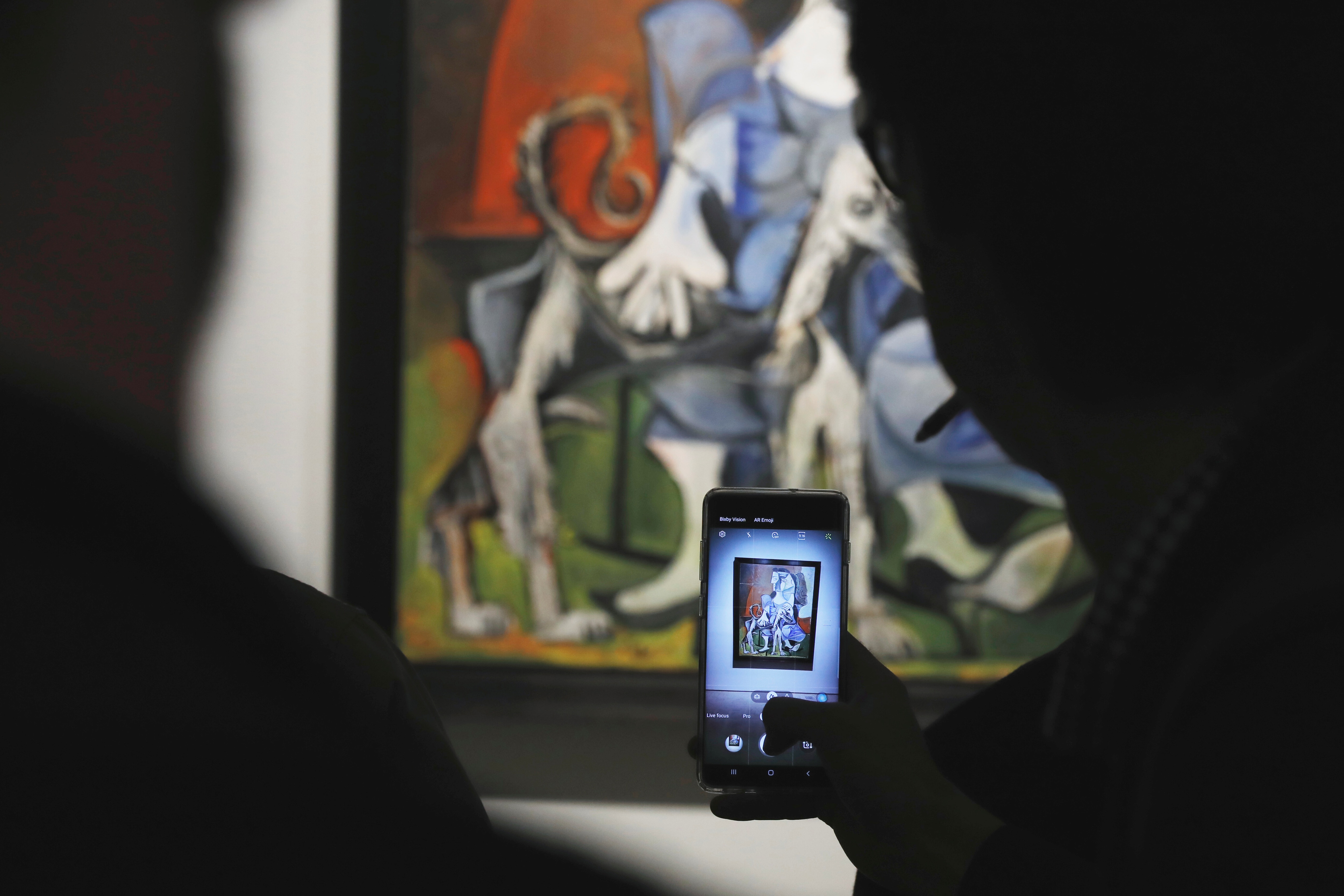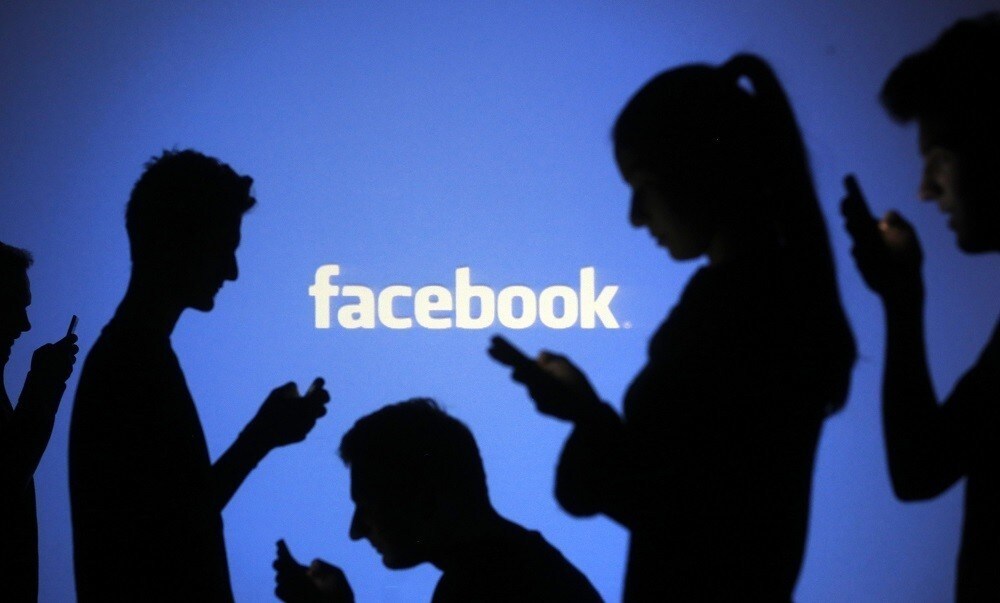
On any given day, Facebook, Instagram, Messenger and WhatsApp users send and share more than two billion photos. But for those who are blind or visually impaired, this is an experience that they are largely left out of.
This has prompted the Facebook team to try and create technology that will enable this community to experience, and enjoy, Facebook the way that others do.
Automatic alternative text
Automatic alternative text is an advanced neural network that basically generates a description of an image. It uses Facebook’s sophisticated object recognition that runs down items on the photo—which means anyone using screen readers can hear a basic description of the photo, painting a visual image of each.
Prior to this technology, users of screen readers could only hear the name of the person who shared the image and identify it as a photo when they come across it on their feeds.
“Now we can offer a richer description of what’s in a photo, thanks to automatic alt text. For instance, someone could now hear, ‘Image may contain three people, smiling, outdoors,’” Facebook asserts. True, this isn’t exactly ideal, but it is a step forward, and could lead to even better technologies in the coming years.
The technology will first be available on iOS screen readers set to English, but Facebook has plans of rolling it out on more platforms and more languages.