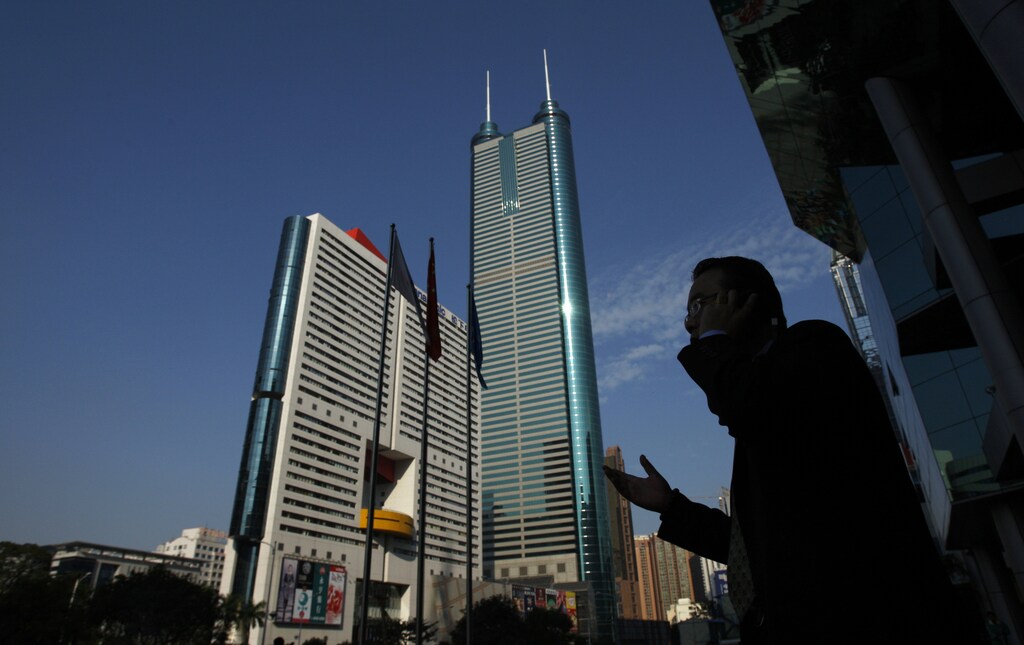
The world’s cities are booming and their growth is changing the face of the planet.
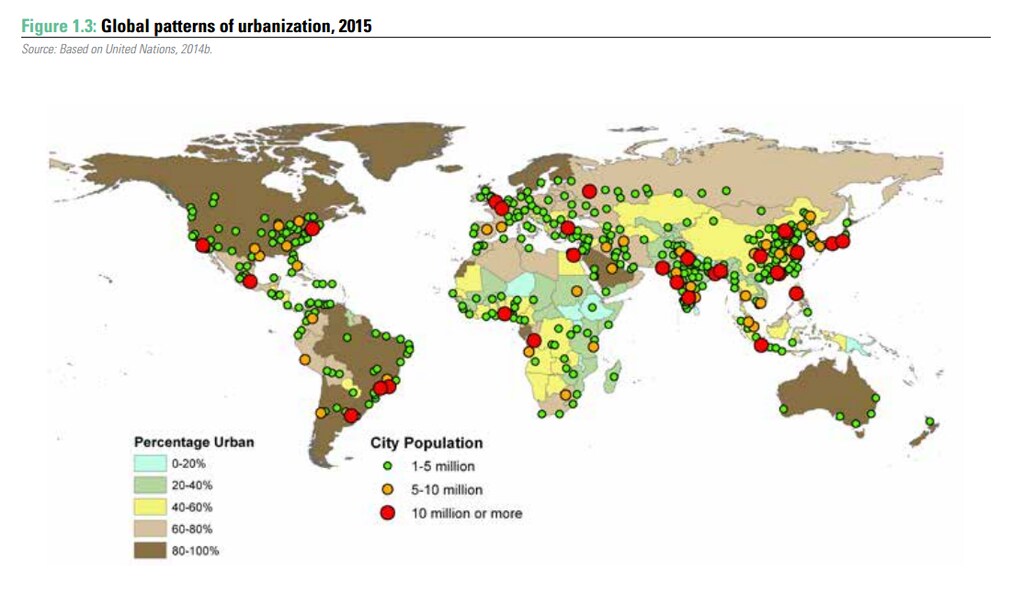
Around 77 million people are moving from rural to urban areas each year. The latest UN World Cities Report has found that the number of “megacities” – those with more than 10 million people – has more than doubled over the past two decades, from 14 in 1995 to 29 in 2016.
And whereas the developed world was once the home of the biggest cities, this map shows that it is now the developing world taking the lead.
Blurring the boundaries
From 1995-2015, Asia’s urban population increased by an average of 2.78% each year.
Not only are people moving to urban areas, but the rural areas are becoming more urban too.
Chengdu is a Chinese city that represents this well. Quite distant from other major cities, its surrounding rural areas – like Chongzhou and Deyang – are being urbanized to help ease the pressures of urban migration.
According to the Organisation for Economic Co-operation and Development (OECD), if Chengdu’s urban areas are collected together into “functional urban areas”, the city’s overall urban population is a staggering 11.3 million.
The bigger the better
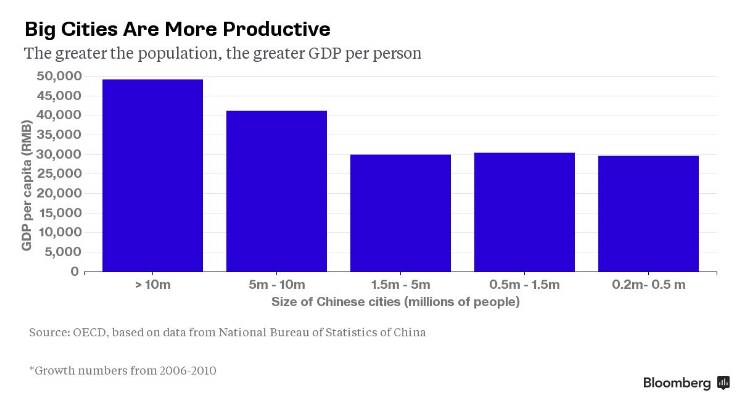
The relationship between city size and productivity can be best seen in another Chinese city: Shenzhen.
Little more than a fishing village back in 1970, urbanization and foreign investment transformed it into the major megacity it is today. Its growth has been staggering. In the five years from 1995 the city’s population increased by 4.16 million – the equivalent of the entire population of Kuwait.
And it’s not just the population that has risen. Shenzhen managed to claim the top spot in China’s annual list of city competitiveness, beating Hong Kong and Shanghai. As Forbes reports, its level of urbanization made it “China’s best for business” – and the epitome of urban success.
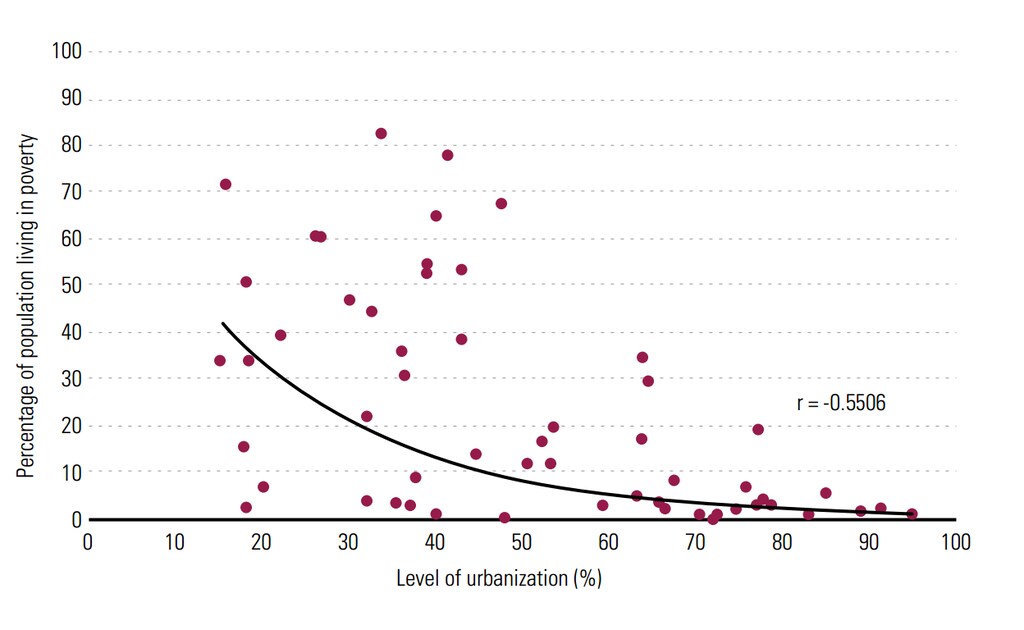
The UN says that urbanization has helped millions escape poverty through increased productivity, employment opportunities, improved quality of life and large-scale investment in infrastructure.
But the report highlights that urban planning is “central to achieving a sustainable urban environment”, and that the current system for doing this is “outdated” – often excluding women and neighbourhood support from the planning process.
Doing it right
The UN recognizes that managing large urban environments is difficult and that if large scale urban migration isn’t anticipated, managed, or at least controlled, it can have serious consequences.
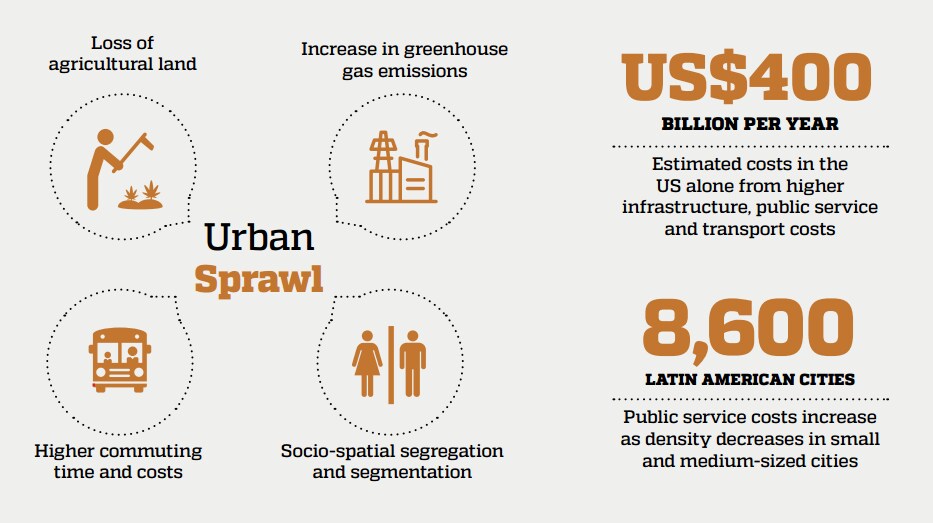
Apparently trivial issues can have significant impacts. At first sight, for example, an issue like higher commuting times might not seem like the most pressing problem, but it’s included in the UN report because it can threaten an urban area’s professional efficiency, as well as increasing its carbon footprint.
So how do cities offset this wide array of difficulties? The UN answers this with a masterplan called the ‘New Urban Agenda'.
The five guiding principles for this are human rights, the economy, democracy, education, and the environment.
With a focus on these, cities can maximize their potential and realize what the UN calls their transformative force.
The UN World Cities Report 2016 also discusses housing shortages, the environment, city legislation, and innovation. The full version of the report can be found here.
Have you read?
You knew China's cities were growing. But the real numbers are stunning
Latin America’s cities: unequal, dangerous and fragile. But that can change