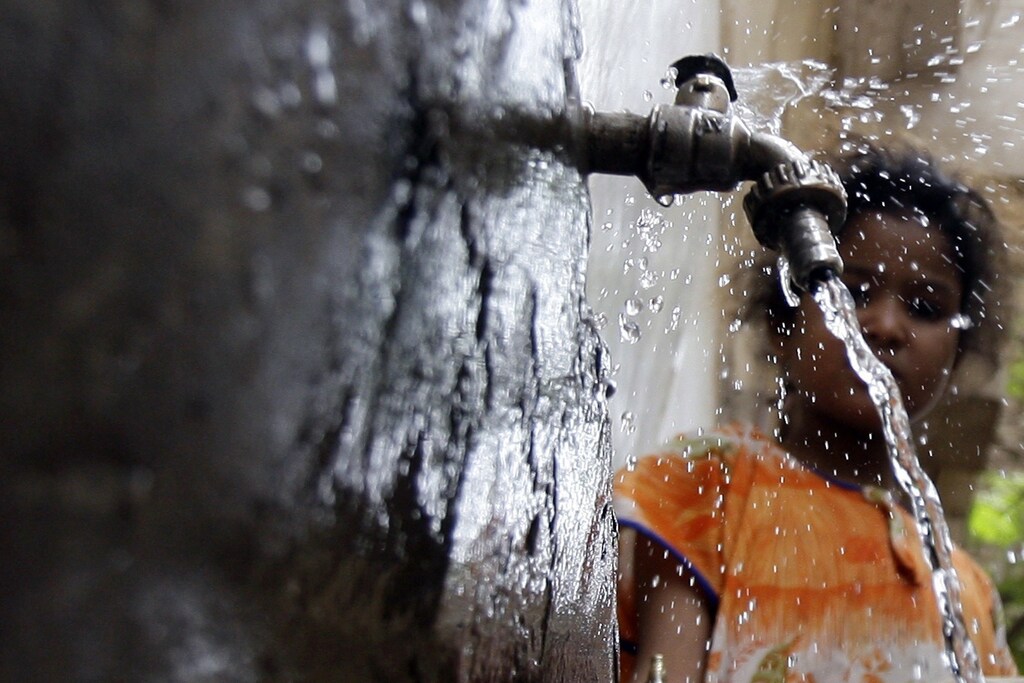
Without water, there would be no life on Earth. Yet there is still significant inequality between those who have access to water and those that don’t.
This year’s World Water Week brings scientists, business leaders, policy-makers and community organisations together to tackle many of the world’s water issues. These are some of the things they will be talking about.
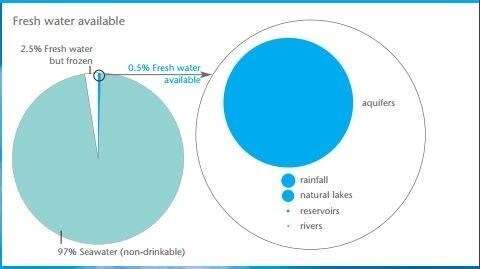
1. Only 0.5% of the earth’s water is suitable for human consumption
2. According to a comprehensive study by McKinsey & Co, by 2030, demand for water will exceed sustainable supply by 40%.
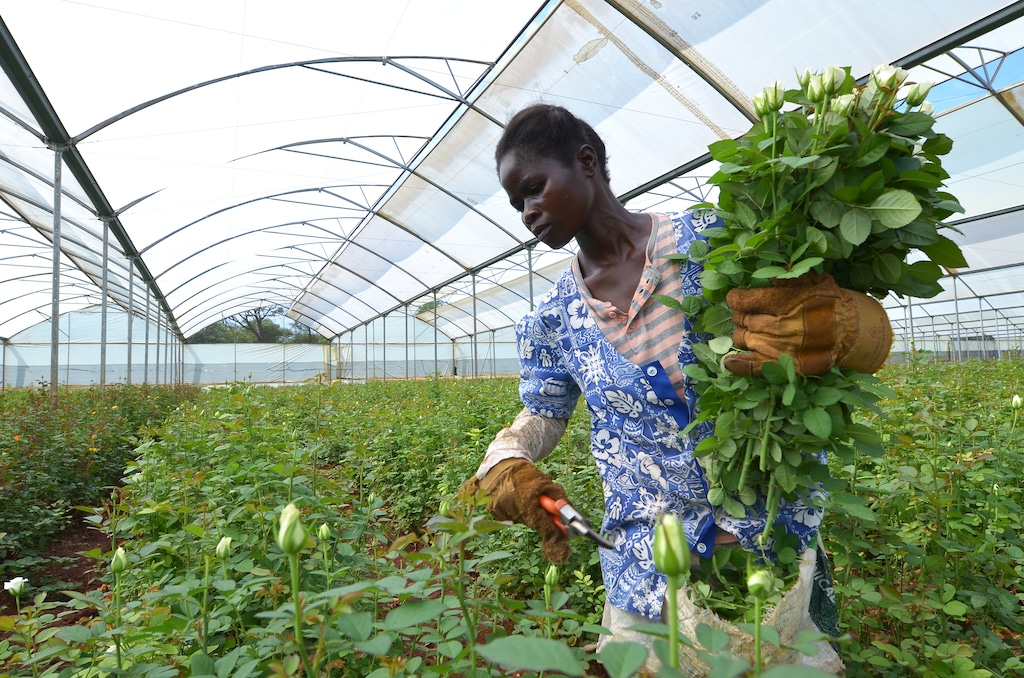
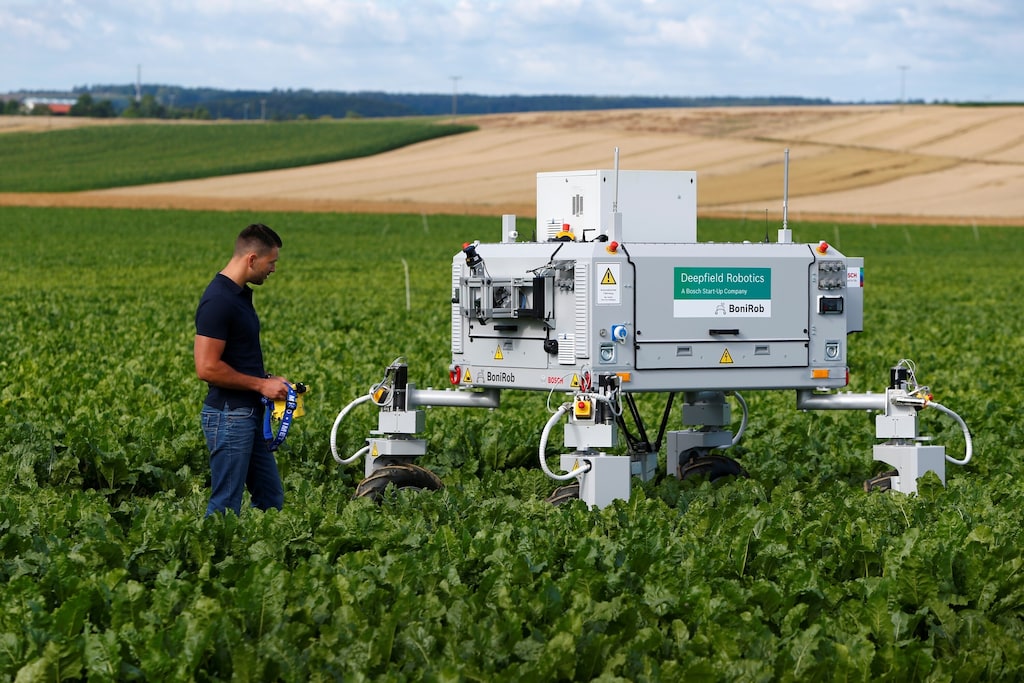
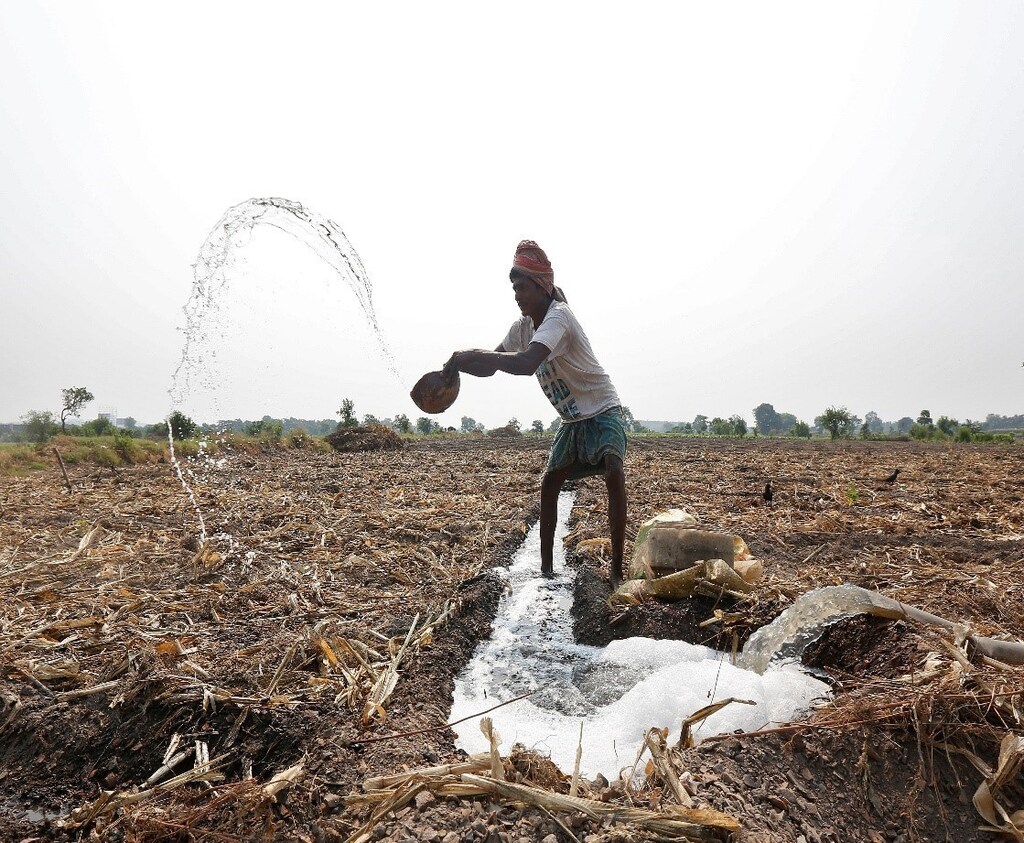
3. Agriculture accounts for as much as 90% of global water consumption.
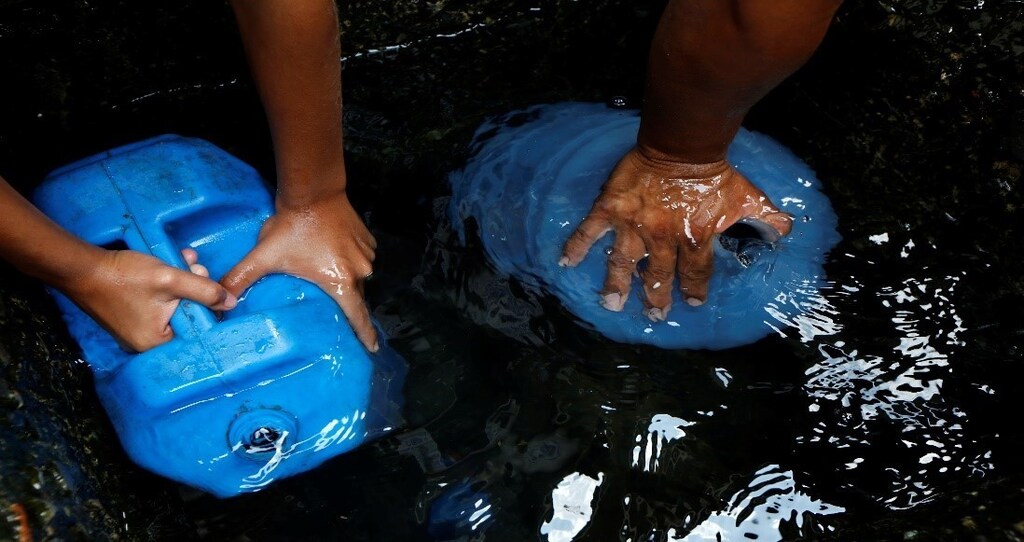
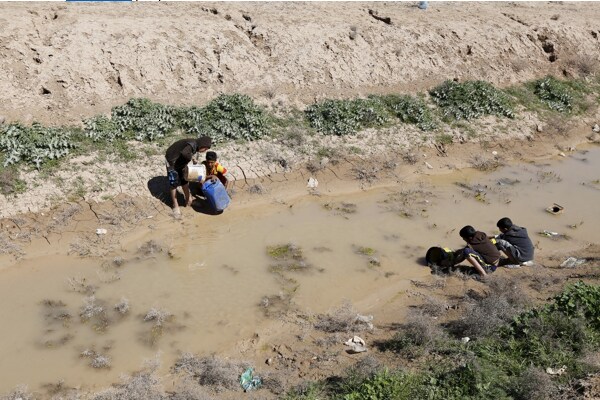
4. More than 650 million people around the world do not have access to safe water.
5. 42% of healthcare facilities in Africa do not have access to clean water within half a kilometre.
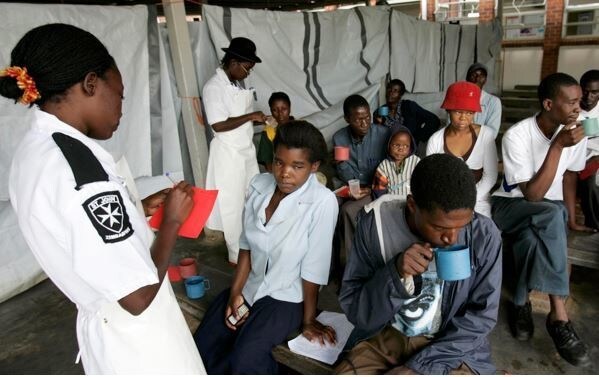
6. 842,000 adult and child deaths from diarrhoea could be prevented each year with access to clean drinking water
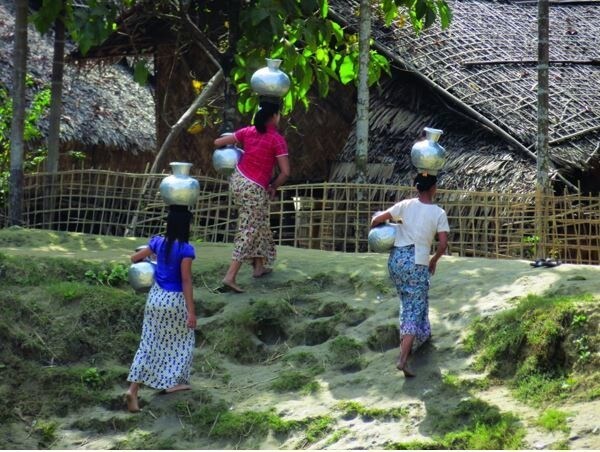
Things are improving.
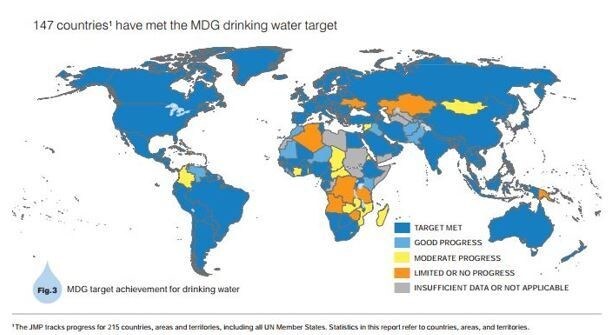
7. From 1990 to 2015, 47,000 people per day in sub-Saharan Africa gained access to improved drinking water
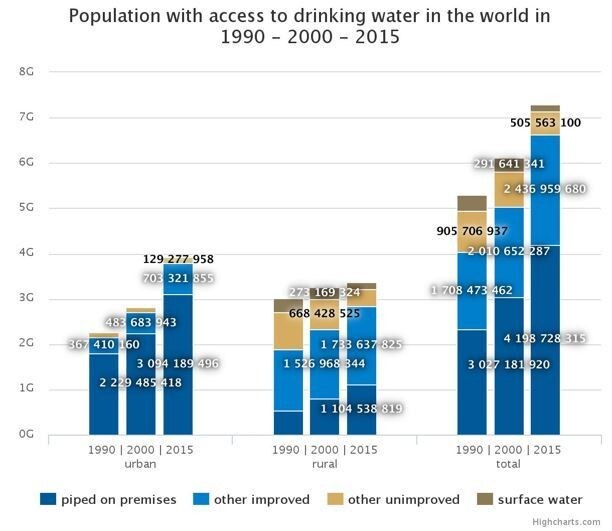
8. So did half a billion people in China
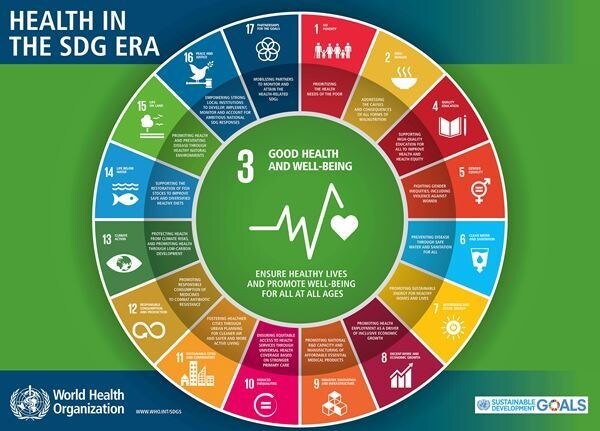
9. Clean water and sanitation for all is the UN Sustainable Development Goal number 6.
World Water Week runs from 28 August to 2 September and this year is focused on Water for Sustainable Growth.