The United States isn’t exactly known for its family-friendly work policies. It’s the only developed country in the world without paid maternity leave. It has no laws requiring paid vacations, and only 39% of its lowest-income workers are actually offered any.
In fact, according to the Washington Post, the US ranks last globally in most areas of family policy, whether that be the cost of childcare or flexible working.
But in perhaps the most surprising area of American life, that might be changing: the military. Last week, US Defence Secretary Ashton Carter announced a whole raft of measures designed to make military service more attractive. Now, women in the armed forces can take 12 weeks of fully paid maternity leave and the subsidized onsite childcare they've previously benefited from will be extended to 14 hours a day.
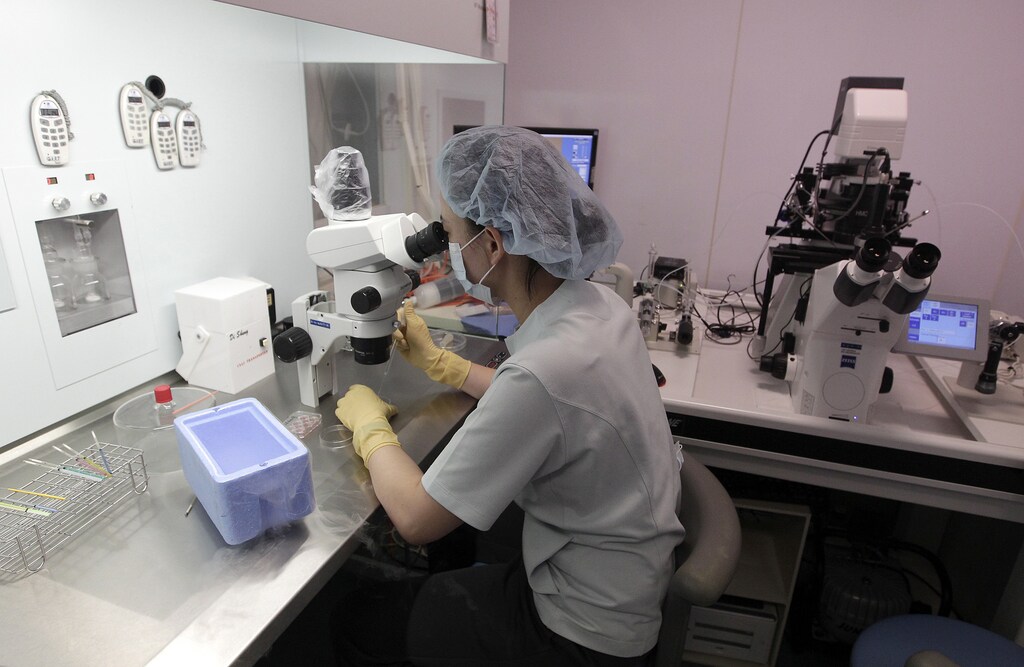
In the same speech, he unveiled plans for another, slightly more controversial policy: a programme that would pay for troops to have their sperm and eggs frozen. “For women, this benefit will demonstrate that we understand the demands upon them and want to help them balance commitments to force and family," Carter said. "We want to retain them in the military." Egg freezing allows women to preserve their fertility, which tends to decline from around the age of 35. It was originally a process reserved for women with cancer, as chemotherapy can damage eggs, but is now used more and more by women wanting to delay having a family.
In 2014, tech giants Apple and Facebook made headlines after introducing similar policies. “We want to empower women to do the best work of their lives as they care for loved ones and raise their families,” Apple said when announcing the new perk it was offering female employees.
But does it empower women? In a 2013 survey from the American Society for Reproductive Medicine, over 80% of respondents agreed that the procedure made them feel “empowered” at having taken back some control of their reproductive future.
Others aren’t so sure, with some arguing it benefits companies more than women. Of those women interviewed for the survey, almost 20% said they were freezing their eggs because “workplace inflexibility” made it difficult for them to envisage having children any time soon.
Rather than accepting that we may have to adapt corporate culture to fit in with employees and their personal lives, are companies instead expecting women and their biological clocks to adapt to them? “The structural organization of work has proved more inflexible than women’s ovaries,” three Yale and Harvard academics wrote, back in 2014.

The fact is, unless the workplace adapts to the lives of people juggling work and caregiving responsibilities, whether men or women, helping women put off having families could just be a way of kicking the can down the road. “Egg-freezing may be an optimal choice for some women, but it is not a solution to the overwhelming pressures that result from companies requiring long work hours and constant availability,” the academics concluded.
So what do you think: should companies pay for women to freeze their eggs?
Have you read?
How will fertility rates change around the world?
Think the gender pay gap is a myth? Watch this video
3 ways companies will let women thrive