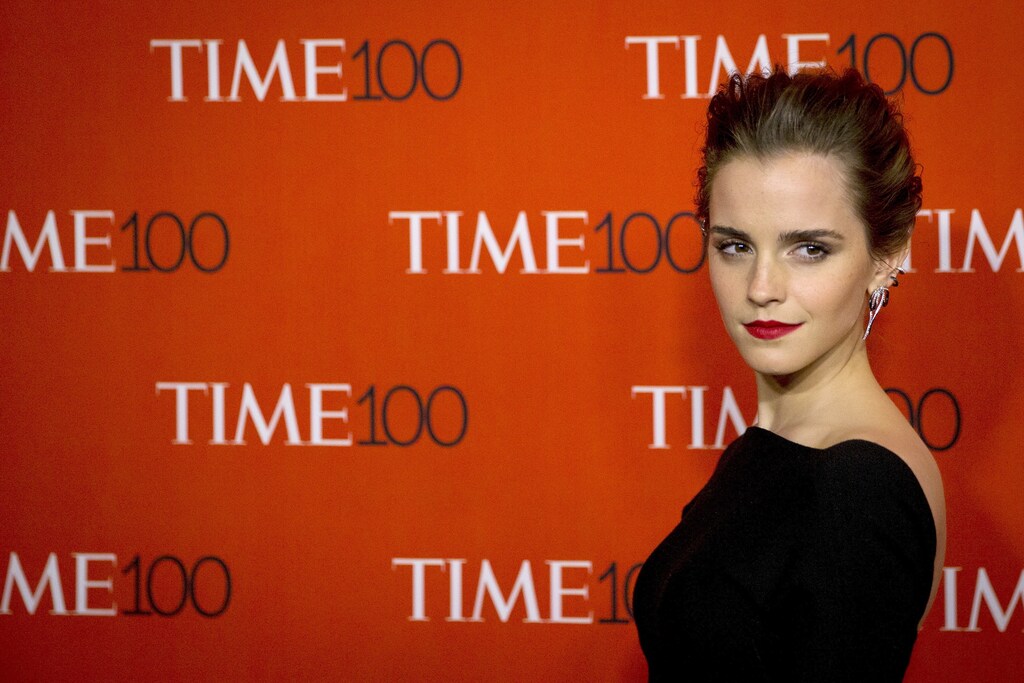
Emma Watson has never hidden her passion for women’s rights: not only is she a UN Women Goodwill Ambassador, she’s also set up a feminist book club and recently announced she was taking a year off from acting to study feminism.
It looks like she’s started quite a trend. In the past, many high-profile women – from Marissa Mayer to Katy Perry – have eschewed the controversial F-word. A lot of that has come from a misunderstanding as to what the word itself means. For Mayer, speaking in 2013, feminists have a “chip on their shoulder, a sort of militant drive” that she can’t relate to. “There are amazing opportunities all over the world for women, and I think that there’s more good that comes out of positive energy around that than negative energy,” she said at the time.
Now, Watson and other women leaders – Beyoncé, Jennifer Lawrence, Sheryl Sandberg – are attempting to claim back the word, and get everyone involved in the fight for gender equality. In an interview with Esquire magazine this week, Watson dispelled some myths about feminists: “We just want to be treated equally. It’s not about man hating.” She also had a message for those critics who say women in positions as privileged as hers don’t have anything to complain about: “Hollywood is just a small piece of a gigantic puzzle but it’s in the spotlight. Whether you’re a woman on a tea plantation in Kenya, or a stockbroker on Wall Street, or a Hollywood actress, no one is being paid equally.”
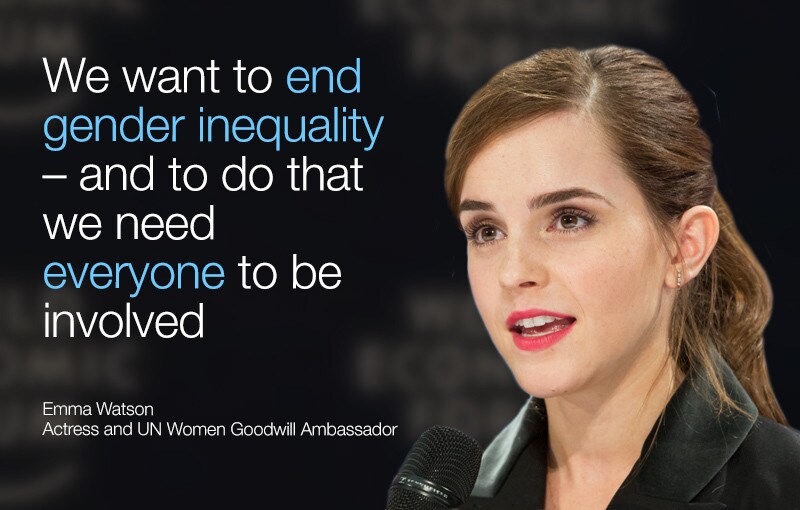
And that’s why, no matter what the critics say, she won’t stop campaigning on the issue: “Call me a ‘diva’, call me a ‘feminazi’, call me ‘difficult’, call me a ‘First World feminist’, call me whatever you want. It’s not going to stop me from trying to do the right thing and make sure that the right thing happens.”
Have you read?
Emma Watson in Davos: Gender equality would be the 'single biggest stimulus to the economy'
What if women were paid the same as men?