A weekly digest of stories about how the gender gap plays out around the world – in business, health, education and politics.
“It’s a man’s world, sweetie.” How 3 female leaders dealt with sexism.
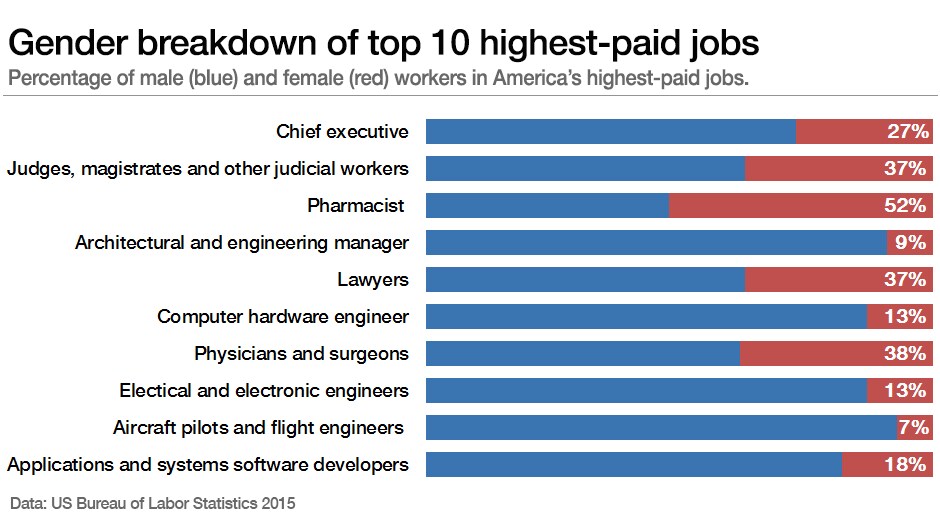
Yesterday was Equal Pay Day. Why is work done by women still valued less?
Why strategic networking is harder for women.
What’s behind the gender gap in heart attack survival?
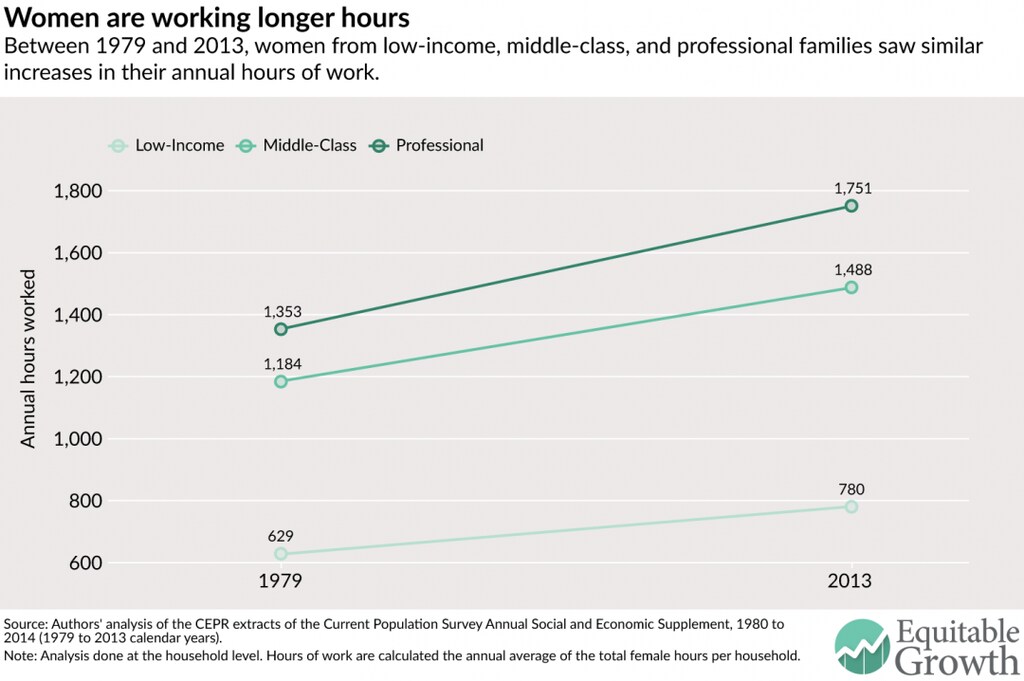
This is the difference women have made to their family’s economic security.
Women’s chemical exposure may cost Europe more than $1 billion. (Reuters)
Asia’s 50 power businesswomen of 2016. (Forbes)
13 women leading life sciences in Silicon Valley. (TechCrunch)
The millennial women shaping US politics. (Refinery29)
So many opportunities for women in tech, so why aren’t there more of us? (The Guardian)
Bolivia leads South America in women’s political inclusion.(TelesurTV)
Single left-over women in China. (Mashable)
A defector’s tale of life for women in the North Korean army. (The Independent)
The link between economic growth and violence against women in Latin America. (Business Insider)
Male gamers unexcited when forced to play female characters.(Quartz)
Meet Zari: Sesame Street Afghanistan’s first Muppet. She’ll promote education and rights for girls. (Huffington Post)
Statistics of the week:
22.4% Global average for women in parliament
64% of parliamentarians in Rwanda are women
53% of parliamentarians in Bolivia are women
Luiza Carvalho, Regional Coordinator of UN Women for Americas and the Caribbean
Quote of the week
“It could be a tipping moment if we now build on it, if governments and society stay with it, look at the reasons for the violence against women, look at the reasons for discrimination against women, and then come up with long-lasting solutions to it. Otherwise this will pass as everything else passes.”
Seema Aziz
Pakistani businesswoman and founder of the CARE Foundation.
South Asian women speak out on gender-based violence