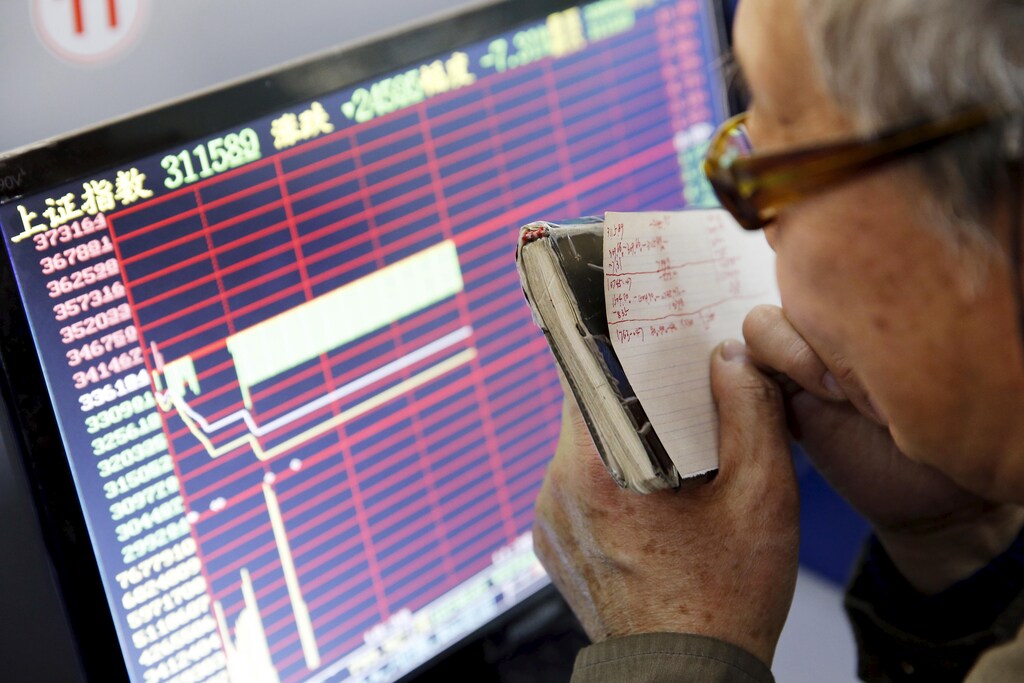
Welcome to your weekly update – a curated list of some of this week’s most interesting stories on economic growth and social inclusion.
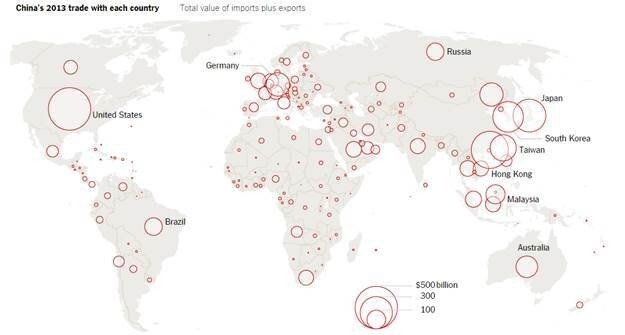
1. Facts and figures. China’s economic slow-down remains a cause of concern for global economic recovery. (The New York Times)
2. A new book looks into the history of investment. Though investment has been democratized, some say it is closely linked to rising inequality in parts of the world. (The Economist)
3. How can companies create societal and business value at the same time? Our “how to” guide offers answers to this question and includes a number of case studies from the business world. (World Economic Forum)
4. Along similar lines, this article describes the crumbling gulf between commerce and philanthropy. (Harvard Business Review)
5. This video showcases yet another example of corporate social innovation. The Indian social enterprise Banyan Nation makes money by recycling plastic and has received backing from a major Wall Street firm. (The Wall Street Journal)
6. Danny Leipziger criticizes the failure of G20 countries to acknowledge the dire global economic situation and improve economic outcomes. (Huffington Post)
7. Digital trade now has a greater impact on GDP growth than trade in goods. (McKinsey Global Institute)
8. Would a Brexit be beneficial or detrimental to the UK? Here’s a useful review of the debate. (The Economist)
9. This article, on the other hand, examines the implications a Brexit could have for the rest of the EU. While immediate economic losses would appear to be modest, political implications could be significantly more severe. (World Economic Forum)
10. In case you missed it. Clemens Fuest’s 10 hypotheses on the inequality debate. (ZEW)