Los bosques regenerados pueden ayudar a frenar el cambio climático

Replanted forests and those left to recover after logging activities can preserve vital insect and plant life in a similar way to old-growth forests, scientists have found, as interest grows in expanding the world's forests to curb climate change. A 13-year study led by researchers at Xi'an Jiaotong-Liverpool University in Suzhou city examined the diversity of beetle and shrub species in different forest types across China. The scientists found little difference in biodiversity between replanted, naturally re-grown and undisturbed forests. Yi Zou, the lead researcher, said the findings put to rest the notion that plantations and secondary forests - where trees grow back on their own after felling - are "green deserts" with no ecological value. "There has been criticism in recent years that plantation and secondary forests lack biodiversity and do not address the environmental problems deforestation has caused," he said. "While nothing compares to primary forests, our findings show that biodiversity, which is vital to all aspects of life – from the air we breathe to our food sources – can be recovered through newly regenerated forests." The study found that secondary forests harboured the highest proportion of large-bodied beetles, denoting a complex food web. The world lost 12 million hectares (29.7 million acres) of tree cover in 2018, the fourth-highest annual loss since 2001, when monitoring service Global Forest Watch began tracking the state of forests. Of greatest concern, it said, was the disappearance of 3.6 million hectares of old-growth rainforest, an area the size of Belgium, much due to fires, land-clearing for farms and mining. This year, a surge in the number of fires in the Amazon has sparked international outrage and protests in front of Brazilian embassies. Environmentalists say protecting existing forests and restoring damaged ones prevents flooding, sucks up more planet-warming carbon, and protects biodiversity. The new study, published in the journal Diversity and Distributions, covered an area of 500,000 square kilometres (193,000 square miles) in China, which is home to the world's largest secondary and plantation forests. Its findings also apply to those forest types outside China, said Zou, as long as they contain a good variety of native tree species and are strictly protected to allow regeneration.
Replanted forests and those left to recover after logging activities can preserve vital insect and plant life in a similar way to old-growth forests, scientists have found, as interest grows in expanding the world's forests to curb climate change. A 13-year study led by researchers at Xi'an Jiaotong-Liverpool University in Suzhou city examined the diversity of beetle and shrub species in different forest types across China. The scientists found little difference in biodiversity between replanted, naturally re-grown and undisturbed forests. Yi Zou, the lead researcher, said the findings put to rest the notion that plantations and secondary forests - where trees grow back on their own after felling - are "green deserts" with no ecological value. "There has been criticism in recent years that plantation and secondary forests lack biodiversity and do not address the environmental problems deforestation has caused," he said. "While nothing compares to primary forests, our findings show that biodiversity, which is vital to all aspects of life – from the air we breathe to our food sources – can be recovered through newly regenerated forests." The study found that secondary forests harboured the highest proportion of large-bodied beetles, denoting a complex food web. The world lost 12 million hectares (29.7 million acres) of tree cover in 2018, the fourth-highest annual loss since 2001, when monitoring service Global Forest Watch began tracking the state of forests. Of greatest concern, it said, was the disappearance of 3.6 million hectares of old-growth rainforest, an area the size of Belgium, much due to fires, land-clearing for farms and mining. This year, a surge in the number of fires in the Amazon has sparked international outrage and protests in front of Brazilian embassies. Environmentalists say protecting existing forests and restoring damaged ones prevents flooding, sucks up more planet-warming carbon, and protects biodiversity. The new study, published in the journal Diversity and Distributions, covered an area of 500,000 square kilometres (193,000 square miles) in China, which is home to the world's largest secondary and plantation forests. Its findings also apply to those forest types outside China, said Zou, as long as they contain a good variety of native tree species and are strictly protected to allow regeneration.Image: REUTERS/Thomas Peter
Este contenido ha sido traducido automáticamente con IA.

Los bosques replantados y aquellos que se dejan recuperar tras las actividades de tala pueden preservar la vida vital de insectos y plantas de forma similar a los bosques antiguos, según han descubierto los científicos, en un momento en que crece el interés por ampliar los bosques del mundo para frenar el cambio climático.

Un estudio de 13 años dirigido por investigadores de la Universidad Xi'an Jiaotong-Liverpool, en la ciudad de Suzhou, examinó la diversidad de especies de escarabajos y arbustos en distintos tipos de bosques de China.

Los científicos constataron que apenas existen diferencias en la biodiversidad entre los bosques replantados, los que se regeneraron de forma natural y los bosques no alterados.

Yi Zou, la investigadora principal, afirmó que los resultados desmienten la idea de que las plantaciones y los bosques secundarios, donde los árboles vuelven a crecer por sí solos tras ser talados, son «desiertos verdes» sin valor ecológico.

«En los últimos años se han formulado críticas según las cuales las plantaciones y los bosques secundarios carecen de biodiversidad y no abordan los problemas ambientales causados por la deforestación», dijo.

«Aunque nada se compara con los bosques primarios, nuestros resultados muestran que la biodiversidad, que es vital para todos los aspectos de la vida, desde el aire que respiramos hasta nuestras fuentes de alimento, puede recuperarse mediante bosques de nueva regeneración».

El estudio constató que los bosques secundarios albergaban la mayor proporción de escarabajos de gran tamaño, lo que indica una red trófica compleja.

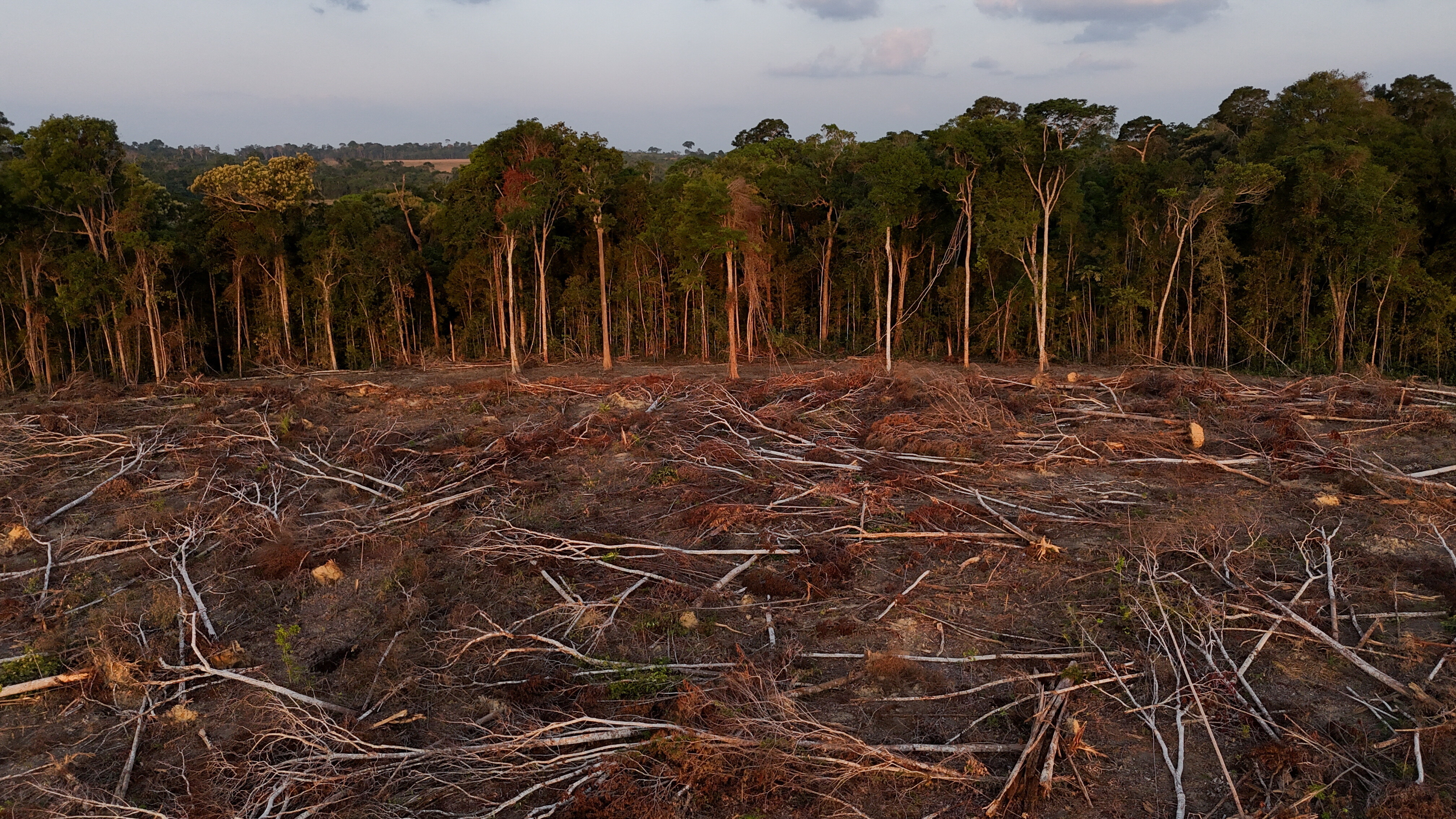
El mundo perdió 12 millones de hectáreas (29,7 millones de acres) de cubierta arbórea en 2018, la cuarta mayor pérdida anual desde 2001, año en que el servicio de seguimiento Global Forest Watch comenzó a monitorear el estado de los bosques.

Lo más preocupante, según el informe, fue la desaparición de 3,6 millones de hectáreas de selva tropical primaria, una superficie equivalente al tamaño de Bélgica, debido en gran medida a incendios, la tala de terrenos para la agricultura y la minería.

Este año, un aumento en el número de incendios en la Amazonía ha provocado indignación internacional y protestas frente a las embajadas de Brasil.

Los ecologistas afirman que proteger los bosques existentes y restaurar los dañados previene las inundaciones, absorbe más carbono causante del calentamiento del planeta y protege la biodiversidad.

El nuevo estudio, publicado en la revista Diversity and Distributions, abarcó una superficie de 500 000 kilómetros cuadrados (193 000 millas cuadradas) en China, país que alberga los mayores bosques secundarios y de plantación del mundo.

Según Zou, sus conclusiones también son aplicables a esos tipos de bosques fuera de China, siempre que contengan una buena variedad de especies arbóreas autóctonas y estén estrictamente protegidos para permitir la regeneración.

Licencia y republicación
Los artículos del Foro Económico Mundial pueden volver a publicarse de acuerdo con la Licencia Pública Internacional Creative Commons Reconocimiento-NoComercial-SinObraDerivada 4.0, y de acuerdo con nuestras condiciones de uso. Las opiniones expresadas en este artículo son las del autor y no del Foro Económico Mundial.