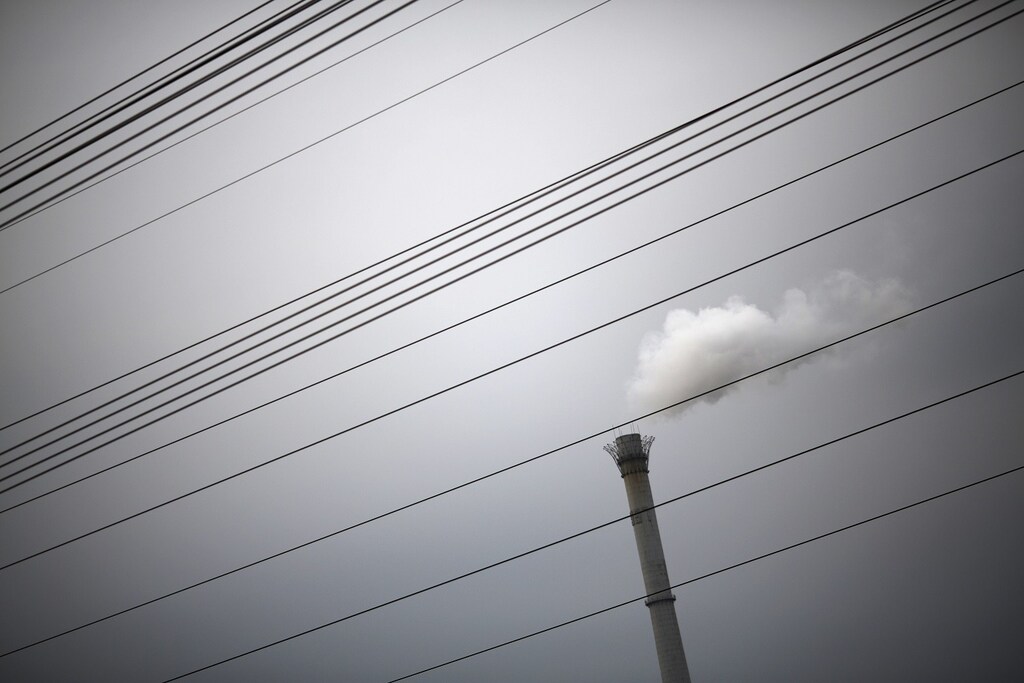
Carbon dioxide emissions in China are set to reach their highest point by 2025, and could even have done so already, according to a new study.
A paper by the London School of Economics sees previous emissions forecasts as much too pessimistic. LSE researchers attribute this to China’s economic slowdown and transition to a market-based economy, along with increasing use of renewable energy and government policies to reduce emissions.
“The major problem with current models of China’s emissions is that most of them do not pay attention to change in the structure and growth of China’s economic output,” Fergus Green, a co-author of the paper, told the Financial Times.
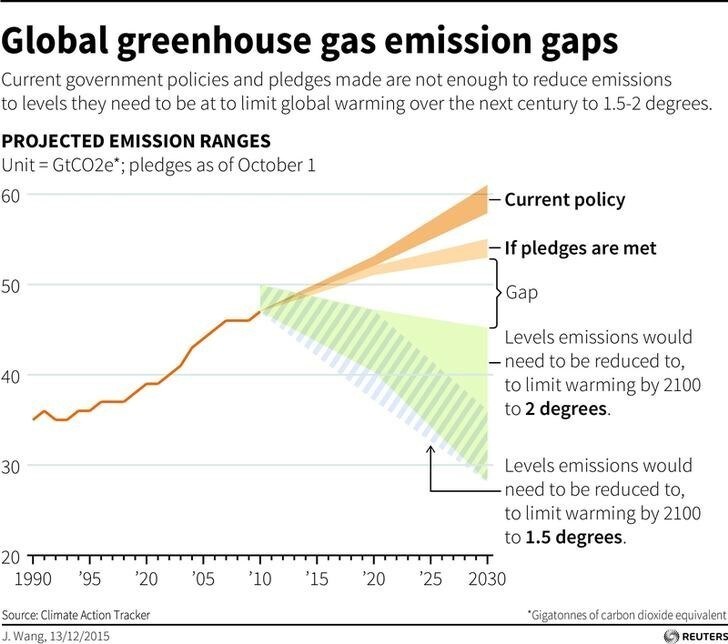
Source: Reuters
Emissions: are we over the worst?
The paper argues that if emissions from energy have not already peaked, then they are very likely to do so within the next 10 years.
“Based on our analysis of likely future trends, we concluded that China’s CO2 emissions from energy – if they grow at all – are likely to grow much more slowly than under the old economic model and are likely to peak at some point in the decade before 2025.”
This is attributed to a number of factors, including the global economic slowdown, government policies targeting reduced emissions and increases in use of renewable and nuclear technology.
Why is this significant?
At the Paris climate change summit in December 2015, China agreed that emissions should peak by 2030. If the LSE paper is correct, and emissions have already hit their zenith, then China’s target has been met years ahead of time.
As the world’s largest emitter of greenhouse gases, a reduction in emissions is a significant moment.
The paper highlights the need for dynamic international climate cooperation, where targets and policies are updated based on new information. This will help the world avoid "catastrophic climate change", argue the authors.
Have you read?
Global Energy Architecture Performance Index Report 2016
6 countries leading the charge towards renewables
What does our energy future look like?