From Chinese rock art to underwater caves, UNESCO’s list of World Heritage Sites showcases places around the world that are considered to be “of outstanding value to humanity”.
Historical, cultural, natural or man-made, these sites – and there are more than 1,000 of them – vary dramatically, but they have all been deemed significant and worthy of preservation.
The World Heritage Committee’s annual meeting recently identified 21 new sites to be added to the list.
The following images provide a glimpse of the new sites:
Antigua and Barbuda: Antigua naval dockyard and related archaeological sites
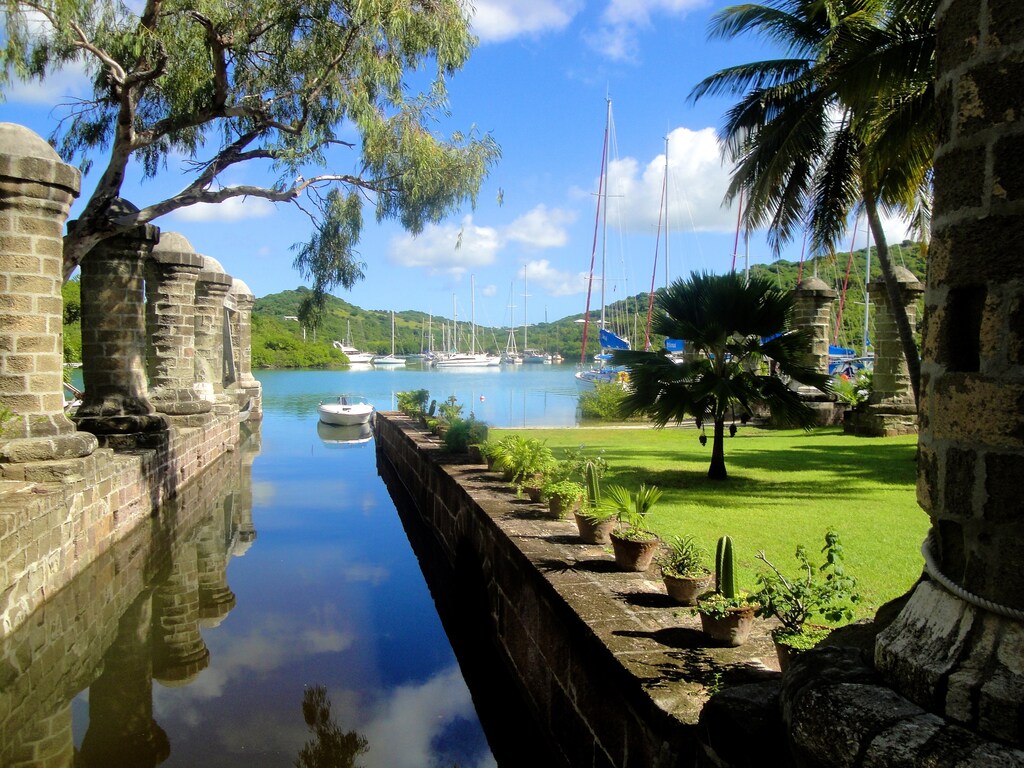
The harbour, consisting of Georgian-style buildings, was constructed by the British navy. However, it wouldn’t have been possible without the labour of generations of enslaved Africans.
Argentina, Belgium, France, Germany, India, Japan, Switzerland: The architectural work of Le Corbusier, an outstanding contribution to the Modern movement
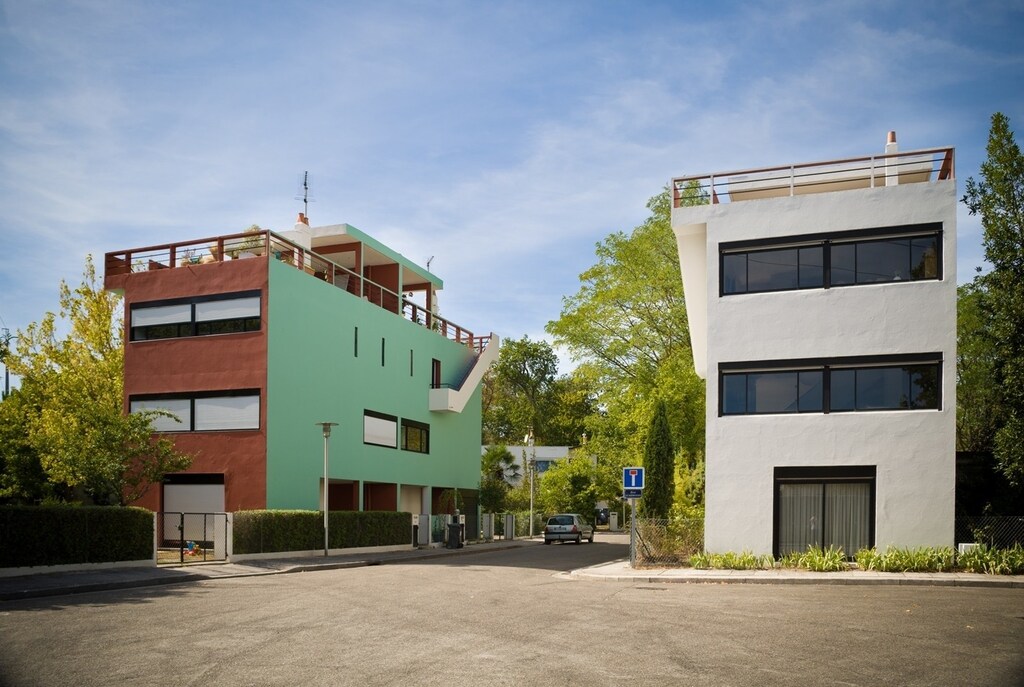
A pioneer of Modern design, architect and designer Charles-Édouard Jeanneret-Gris – known to most as Le Corbusier – has buildings spread across 17 sites in several countries. His works are considered by his fans to be masterpieces of creative genius.
Bosnia and Herzegovina, Croatia, Montenegro, Serbia: Stećci medieval tombstones
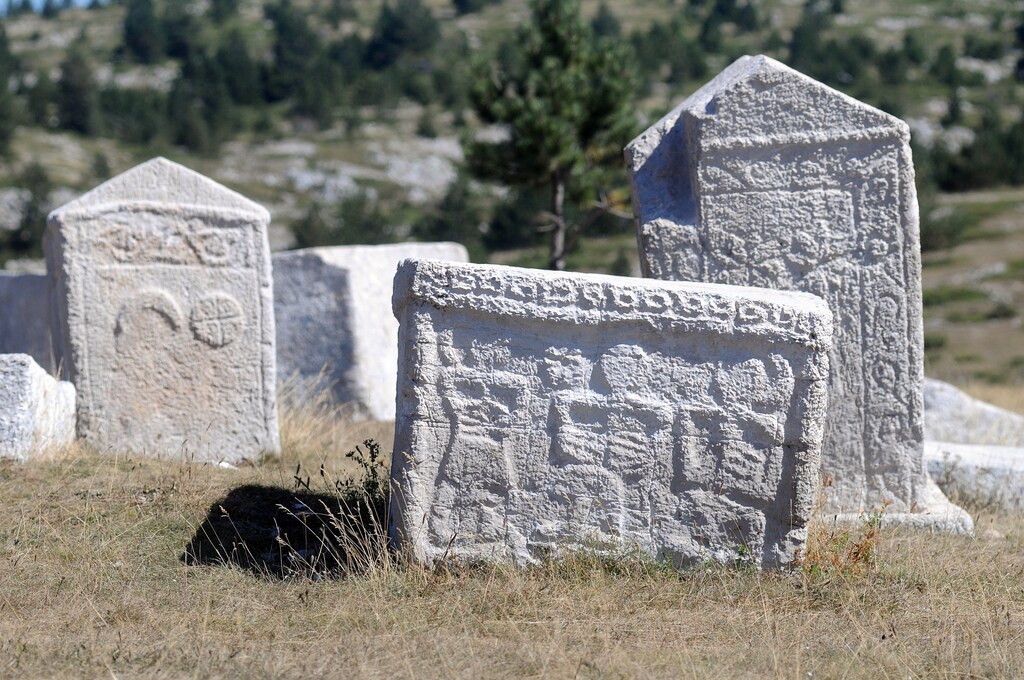
Dating back to somewhere between the 12th and 16th centuries, these tombstones, known as stećci, are carved from limestone and inscribed with decorative motifs.
Brazil: Pampulha Modern Ensemble
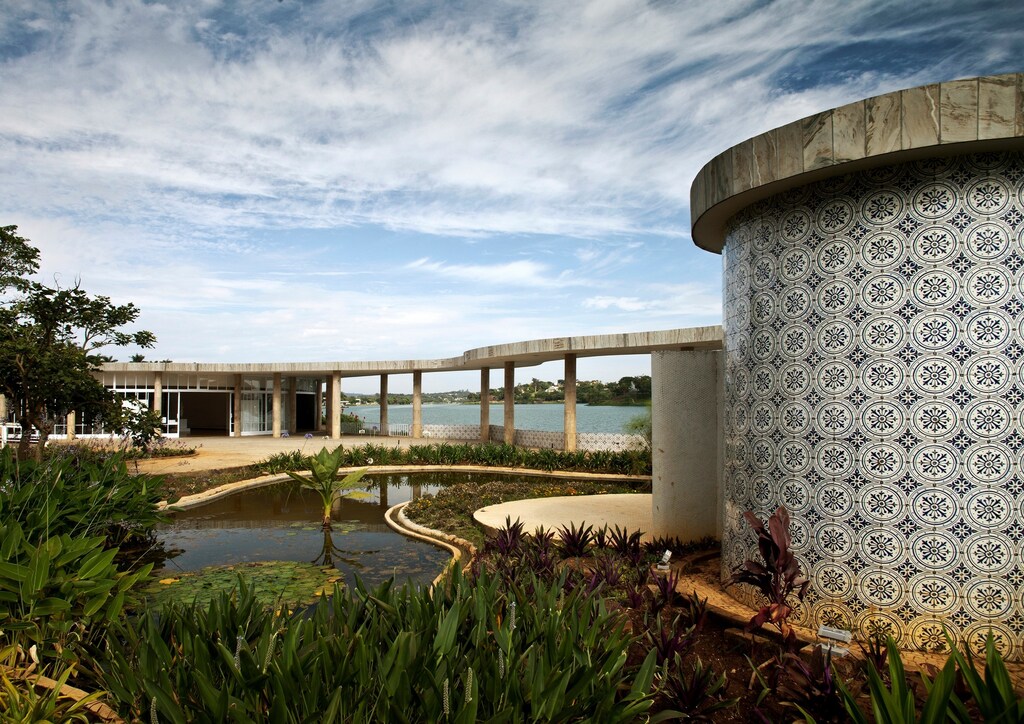
The bold forms of this cultural centre, designed by the architect Oscar Niemeyer in collaboration with innovative artists, is influenced by local traditions.
Canada: Mistaken Point
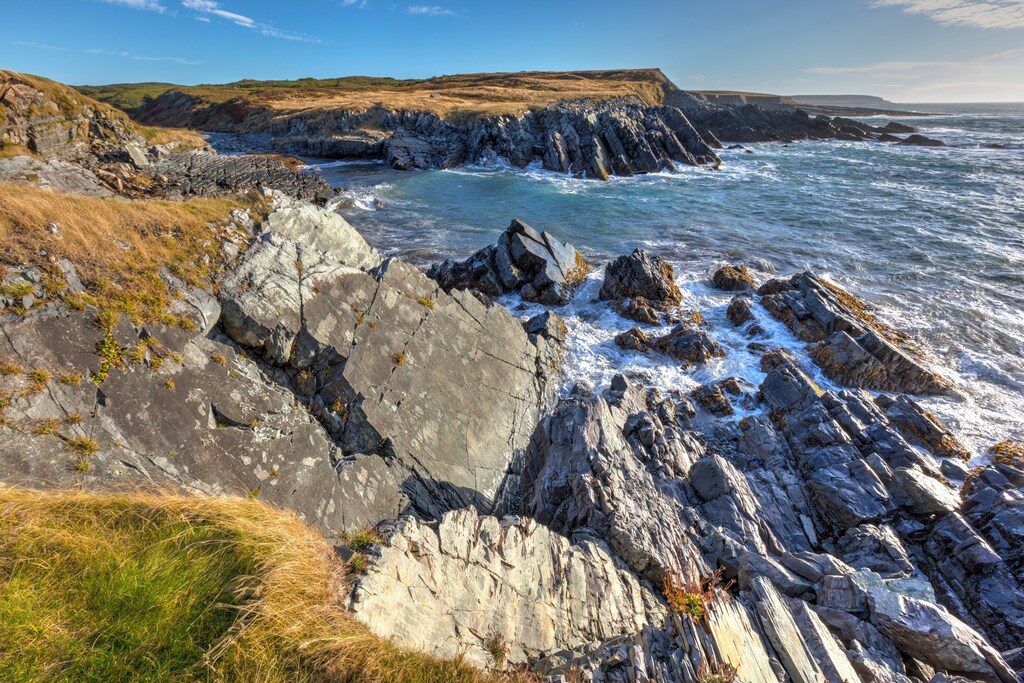
Located at the south-eastern tip of Newfoundland, these coastal cliffs are home to some of the oldest known assemblages of large fossils anywhere in the world.
Chad: Ennedi Massif natural and cultural landscape
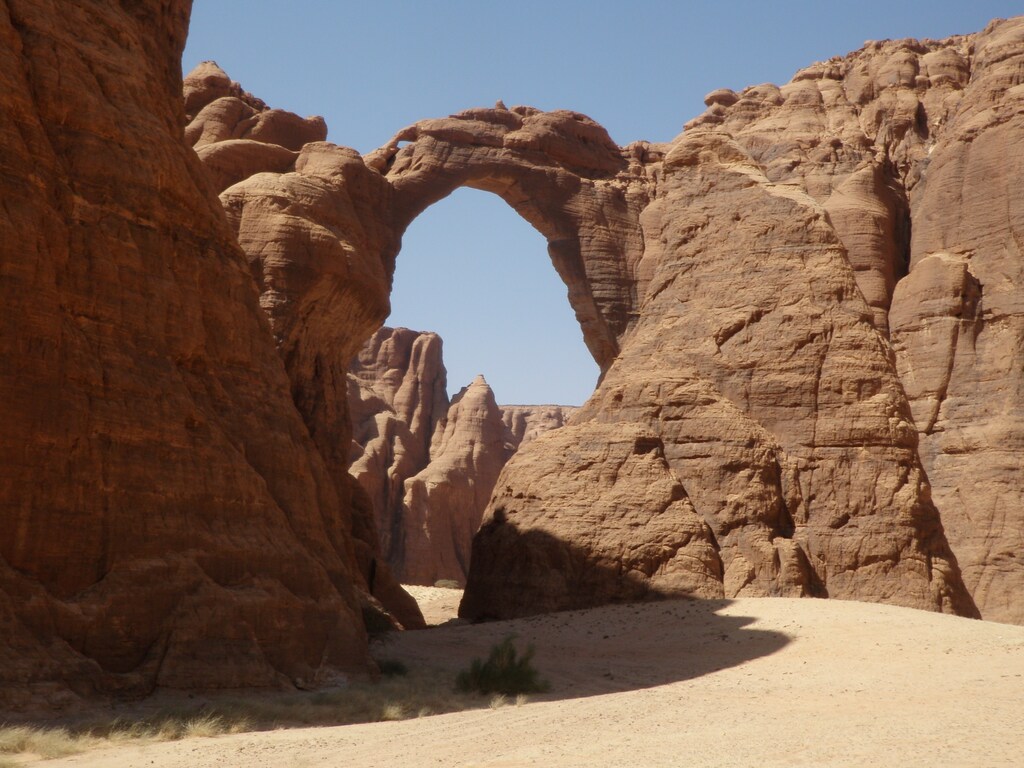
Sculpted over time by rain and wind erosion, the canyons, arches and valleys of this African plateau form a spectacular landscape. Ancient images have been painted and carved into the rock, making it one of the largest collections of rock art in the Sahara.
China: Hubei Shennongjia
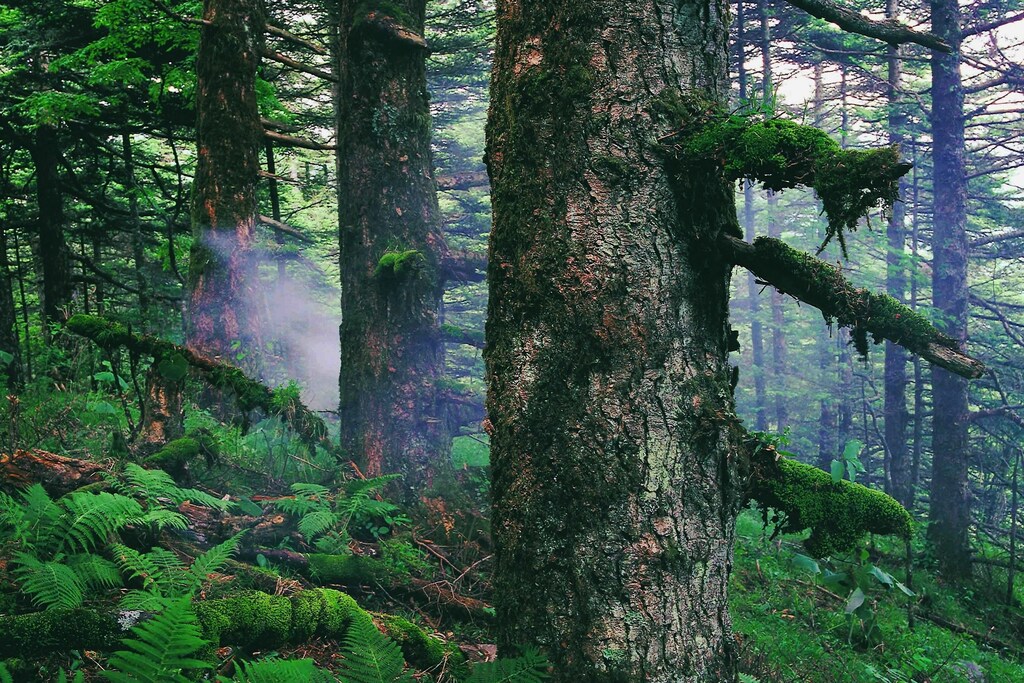
These forests, found in China’s Hubei Province, are home to many rare animal species, including the snub-nosed monkey, the clouded leopard and the Asian black bear.
China: Zuojiang Huashan rock art cultural landscape
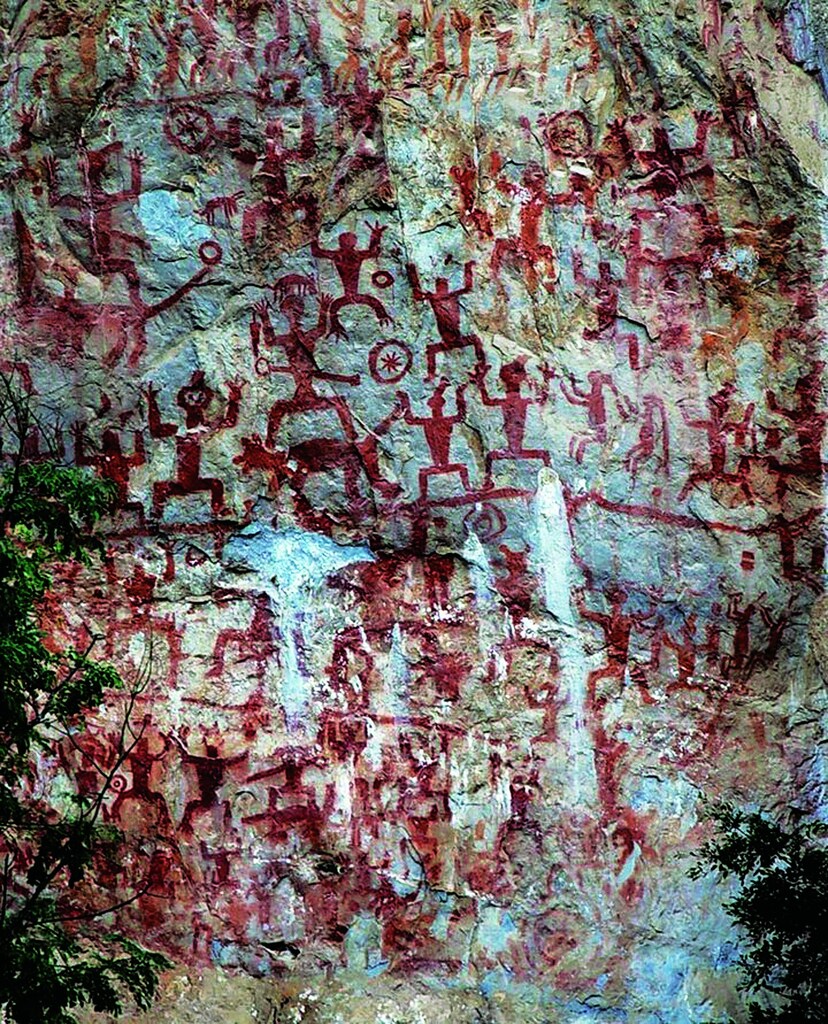
Illustrating the life and rituals of the Luoyue people, these rock paintings date from fifth century BCE, and are the only relics to remain of this culture.
Greece: Archaeological site of Philippi
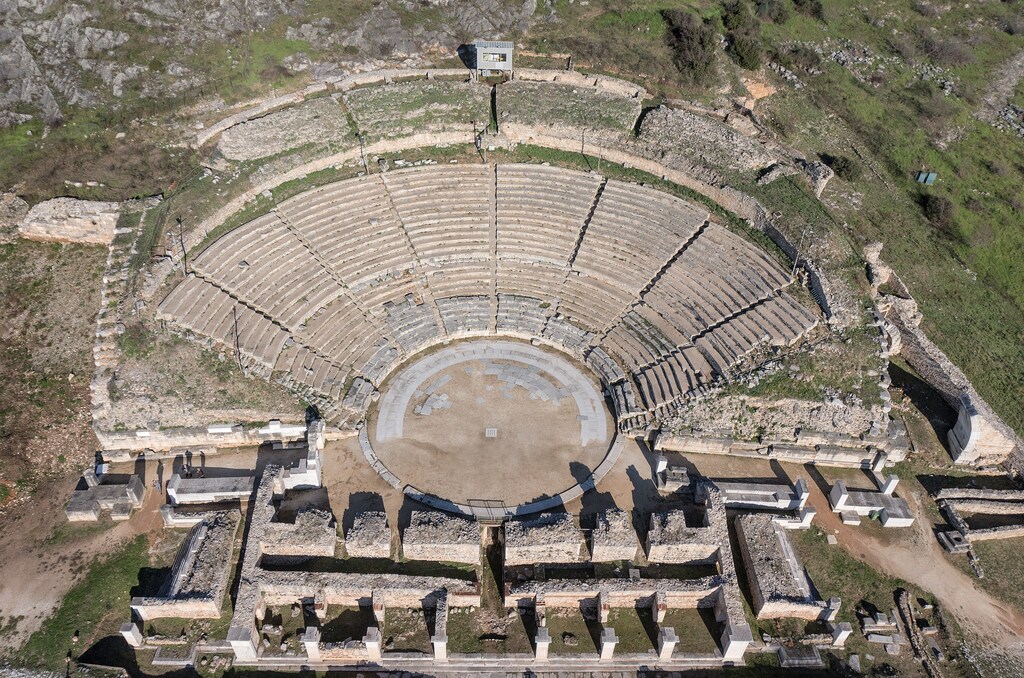
Founded in 356 BC, this walled city was developed as a “small Rome” and then later became a centre of the Christian faith.
India: Archaeological site of Nalanda Mahavihara (Nalanada University) at Nalanda, Bihar
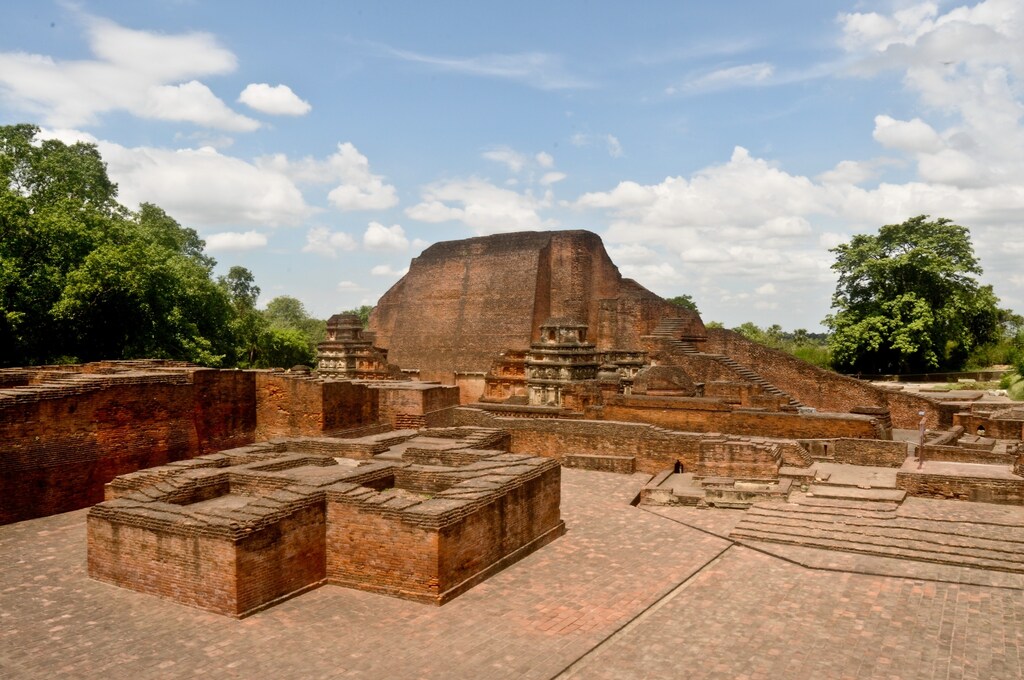
Based in north-eastern India, the site of Nalanda Mahavihara dates from the third century BCE and include the ruins of a monastic and scholastic institution seen as the most ancient university of the Indian subcontinent.
India: Khangchendzonga National Park
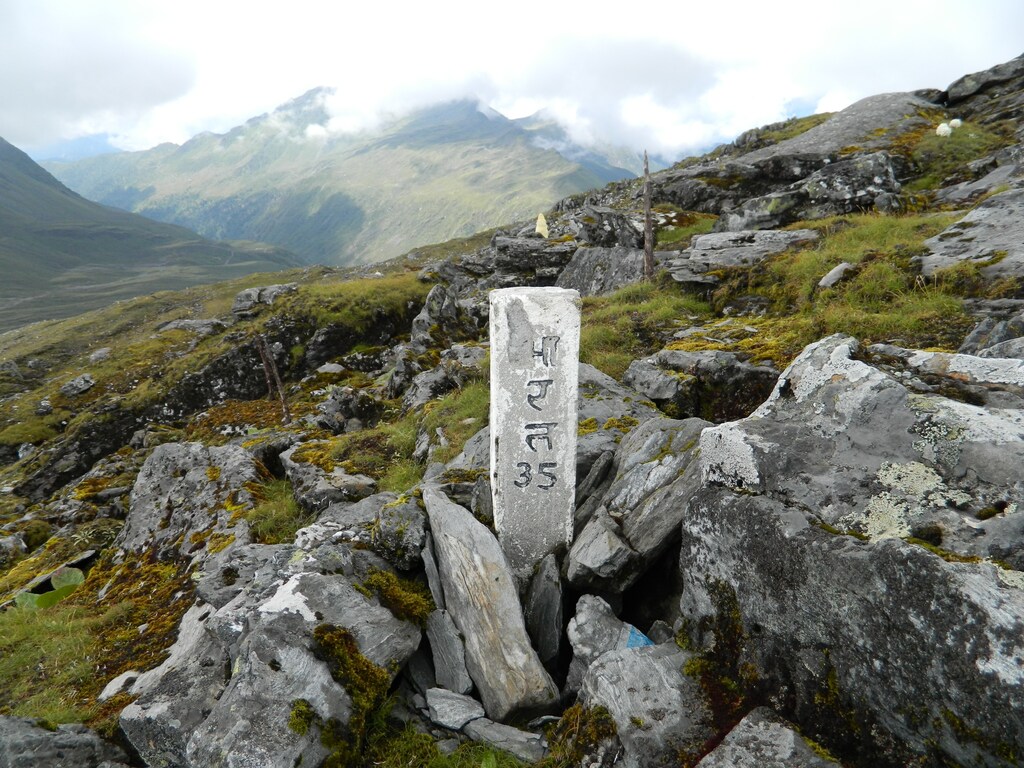
Located in the Himalayas, this protected area is associated with mythological stories that have since been integrated with Buddhist beliefs.
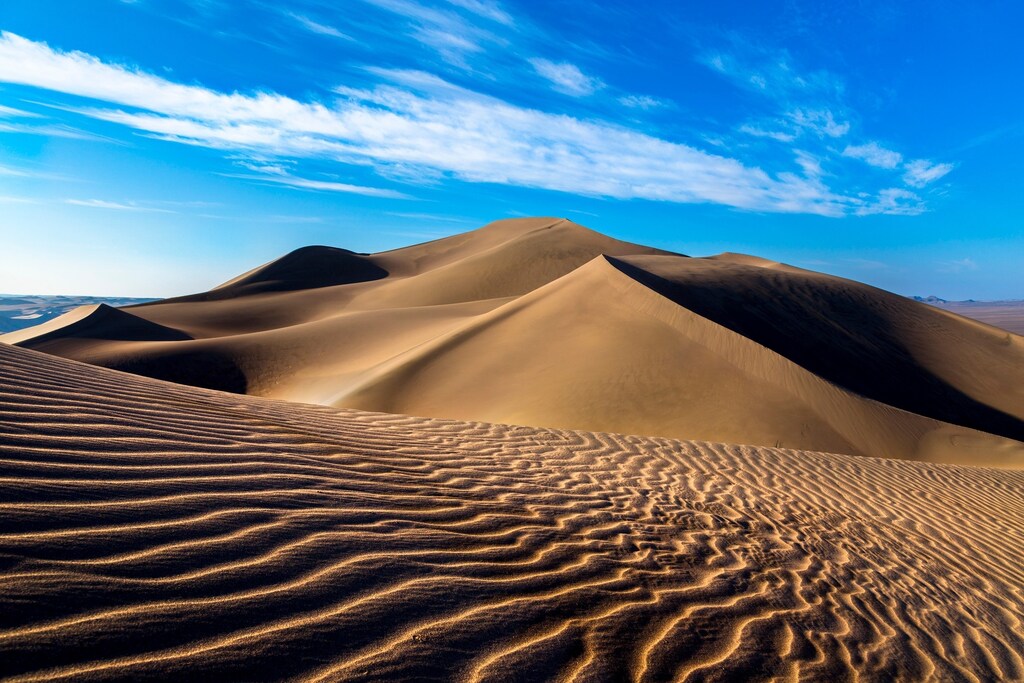
Iran: Lut Desert
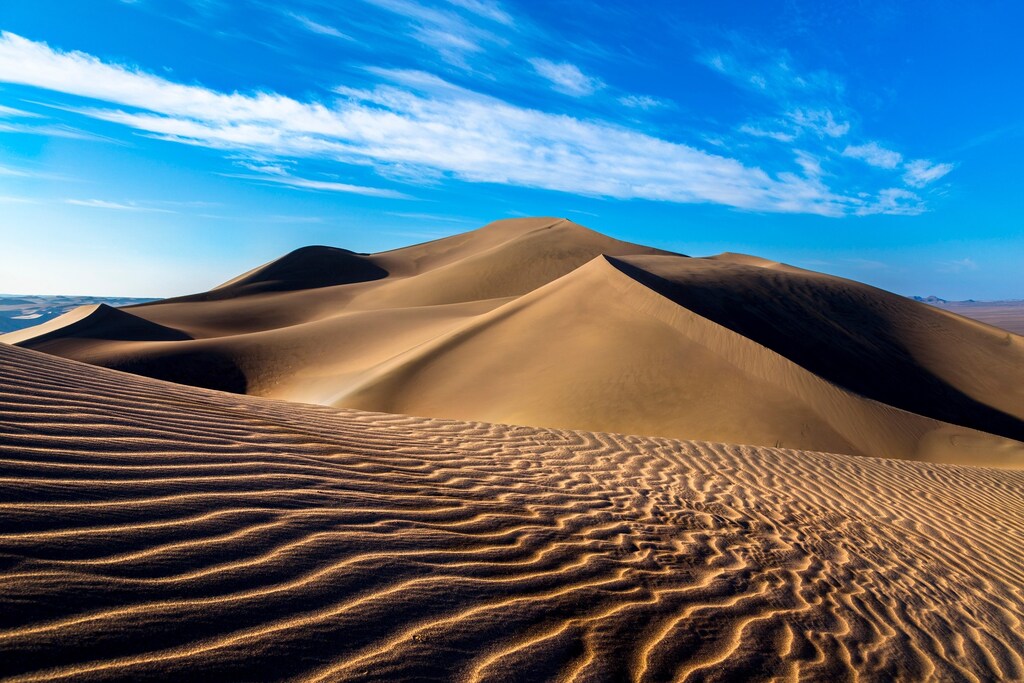
Swept and sculpted by strong winds between the months of June and October, this desert contains some of the most spectacular examples of aeolian and yardang (wind and weather-carved) landforms.
Iran: Persian Qanat
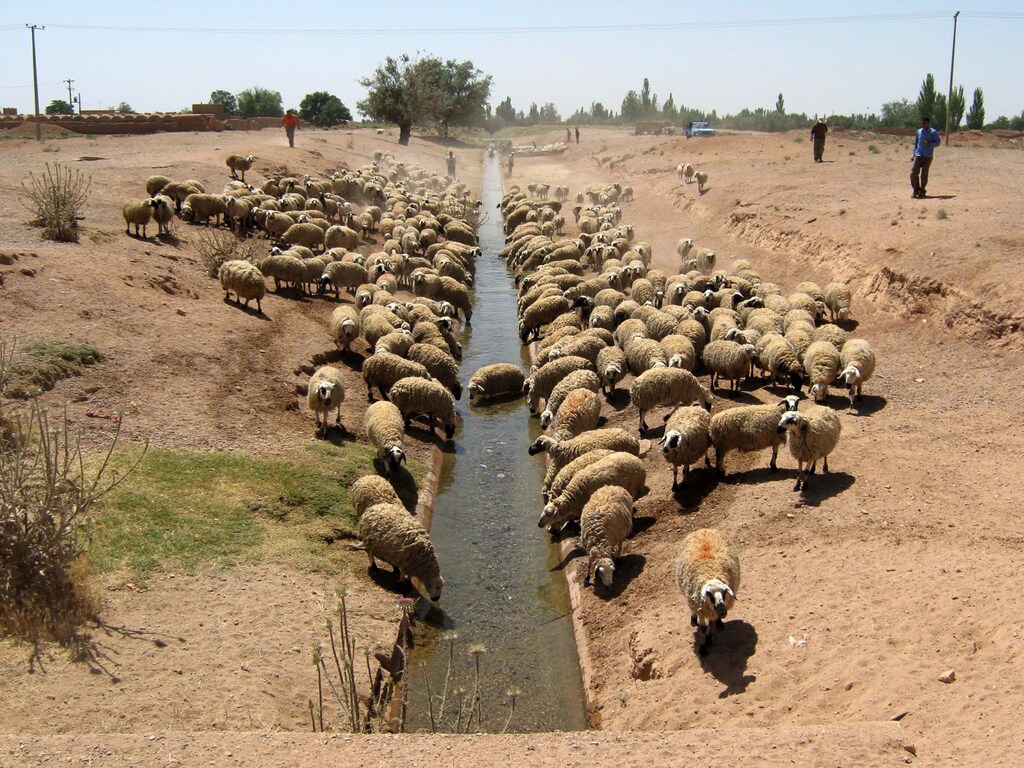
This ancient method of transporting water via a system of underground tunnels is still in use today – a testimony to enduring cultural traditions and desert civilizations.
Southern Iraq: The Ahwar: refuge of biodiversity and relic of the Mesopotamian cities
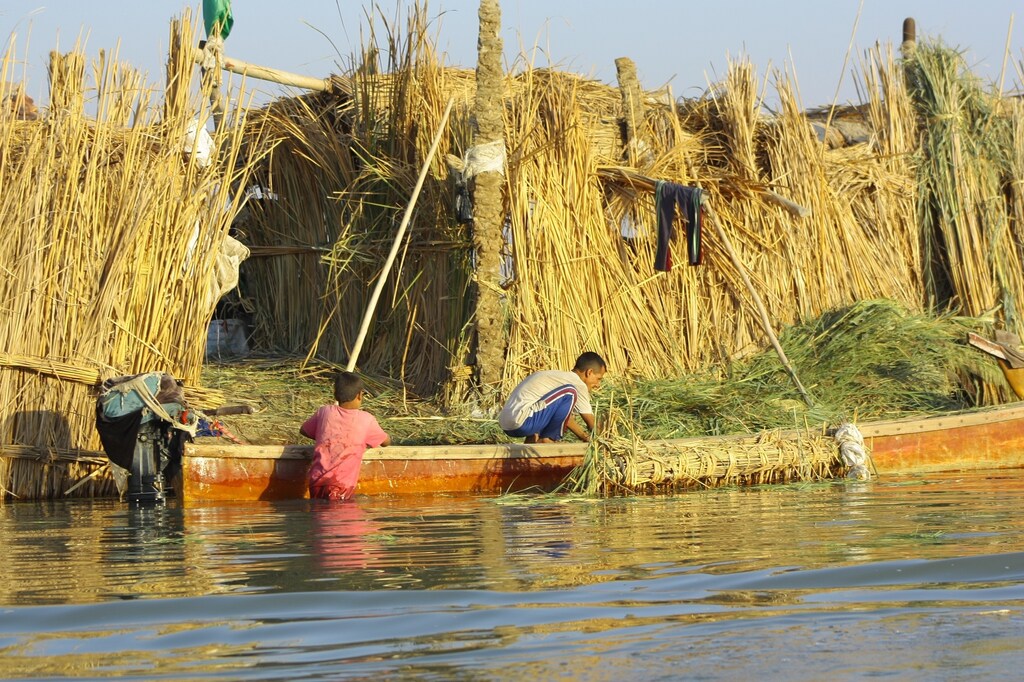
This collection of areas is made up of three sites where the archaeological remains of Sumerian cities can be found, as well as four wetland marsh areas that make up one of the world’s largest inland delta systems.
Kazakhstan, Kyrgyzstan, Uzbekistan: Western Tien-Shan
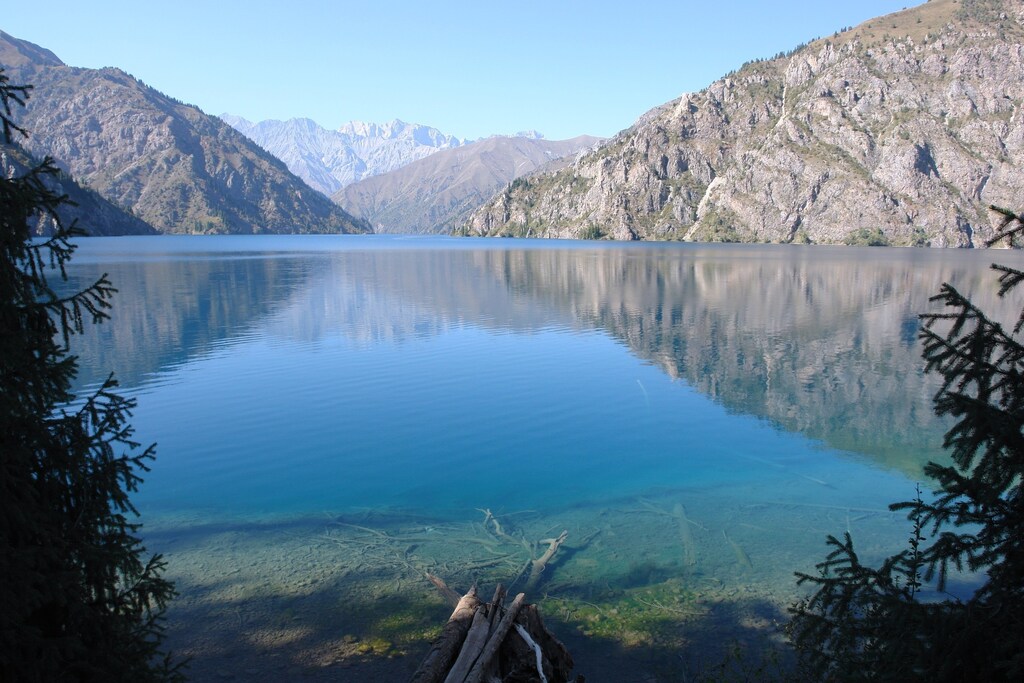
The centre of origin for some fruit and crops, this vast site spans three countries and features a range of landscapes.
Mexico: Archipiélago de Revillagigedo
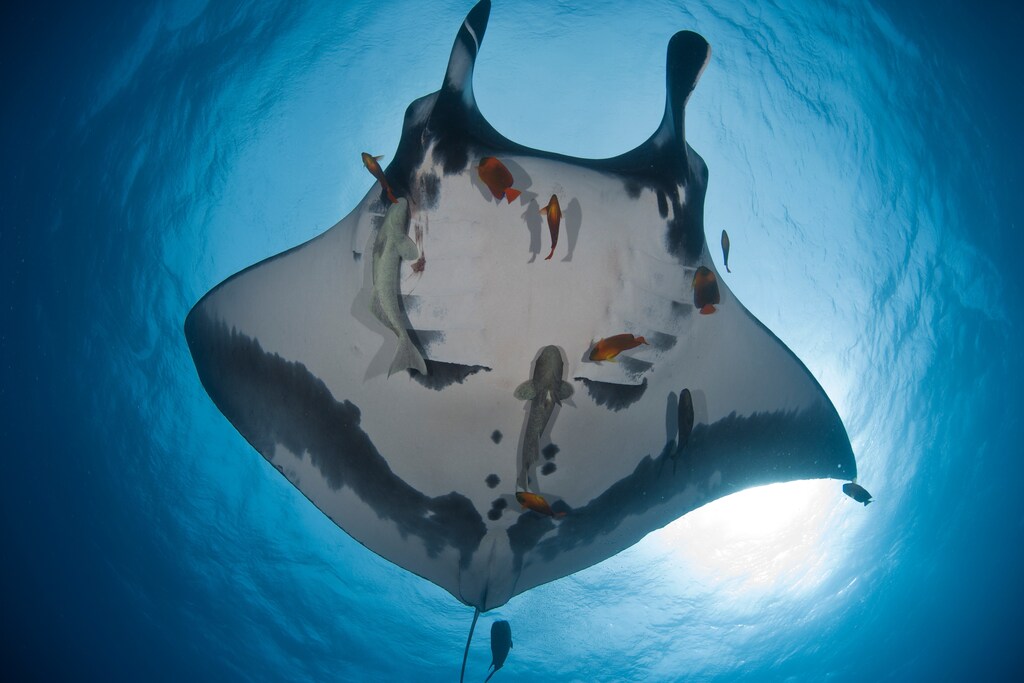
This line of four remote islands in the eastern Pacific Ocean are part of a submerged mountain range and provide a critical habitat for a range of wildlife.
Eastern Micronesia: Nan Madol Ceremonial Centre
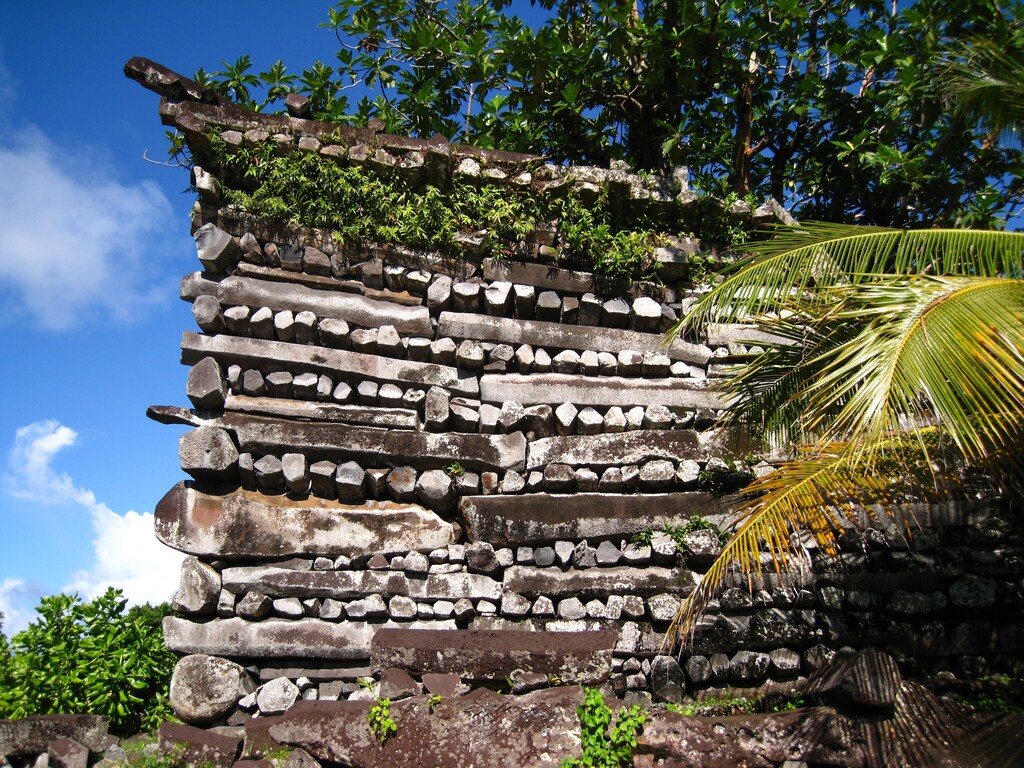
These ruins of stone palaces, temples and tombs were once the ceremonial centre of the Saudeleur dynasty, a vibrant period in Pacific Island history.
Spain: Antequera dolmens site
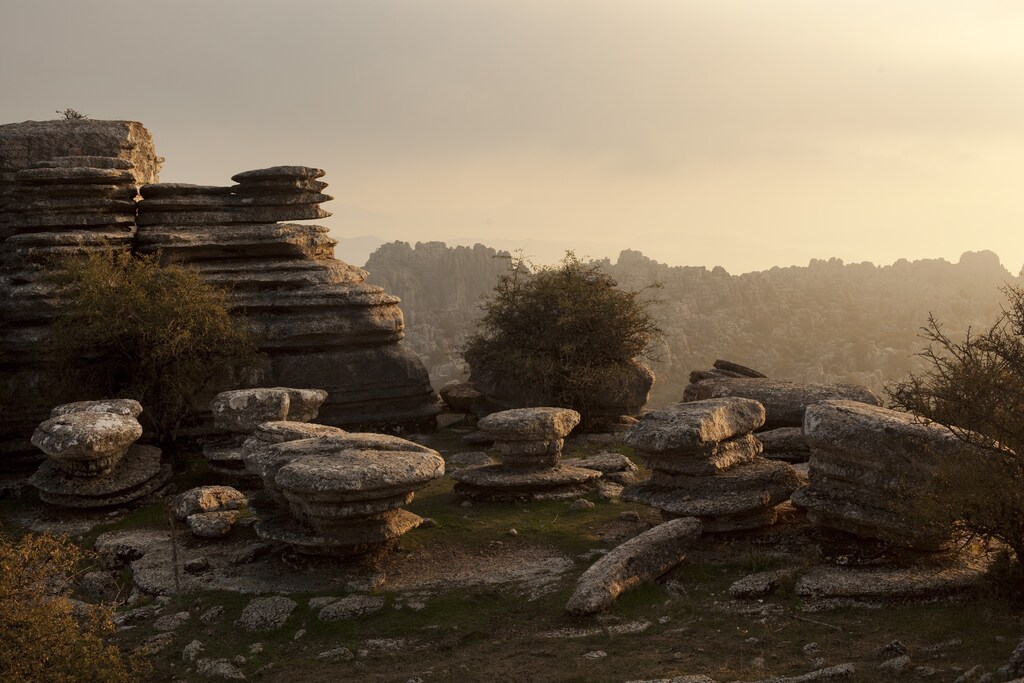
Three man-made monuments, which collectively are understood to be one of the most remarkable architectural works of European prehistory, along with two natural structures, make up this site in southern Spain.
Sudan: Mukkawar Island Marine National Park
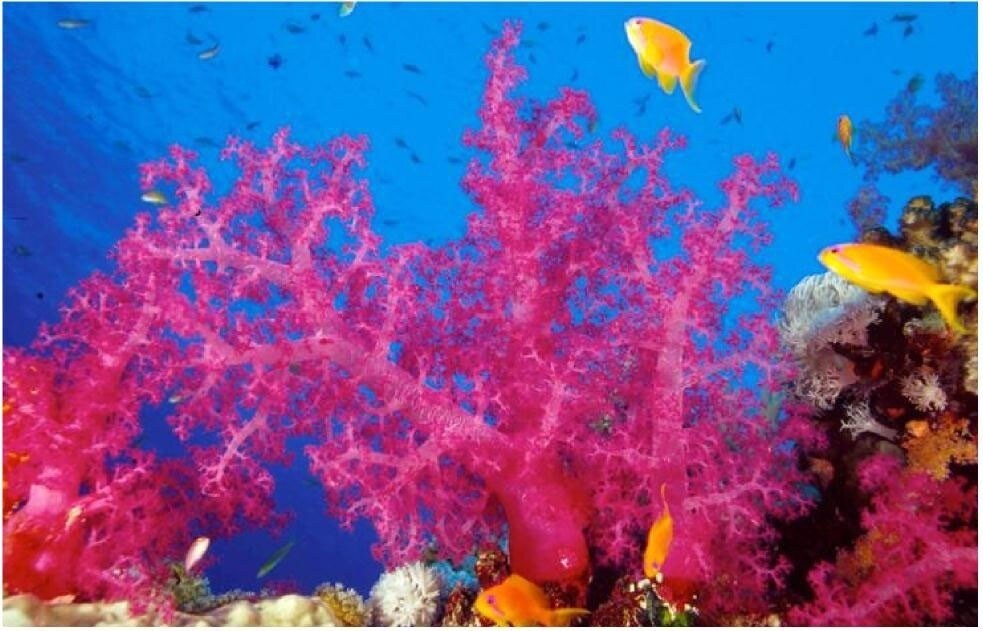
Made up of two areas, Sanganeb Marine National Park and Dungonab Bay, this maritime national park is home to a range of coral reefs, mangroves, beaches and islets, as well as being home to many diverse species.
Turkey: Archaeological site of Ani
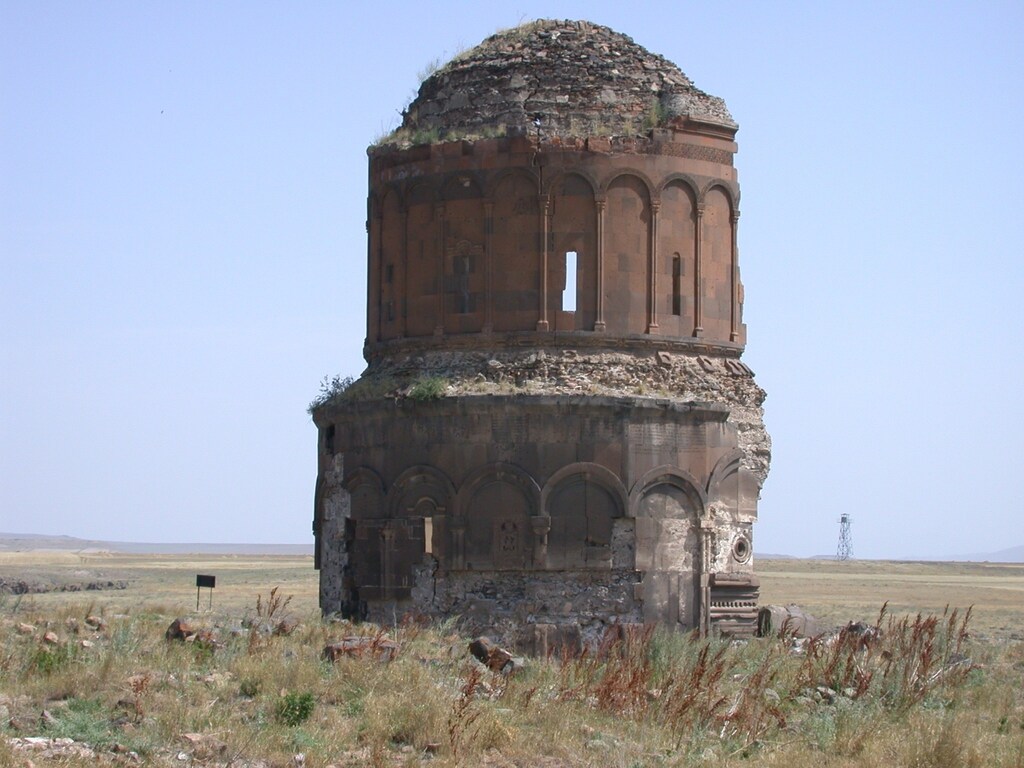
This medieval city was built by Christian then Muslim dynasties, combining homes, military buildings and places of worship.
Gibraltar: Gorham's Cave complex
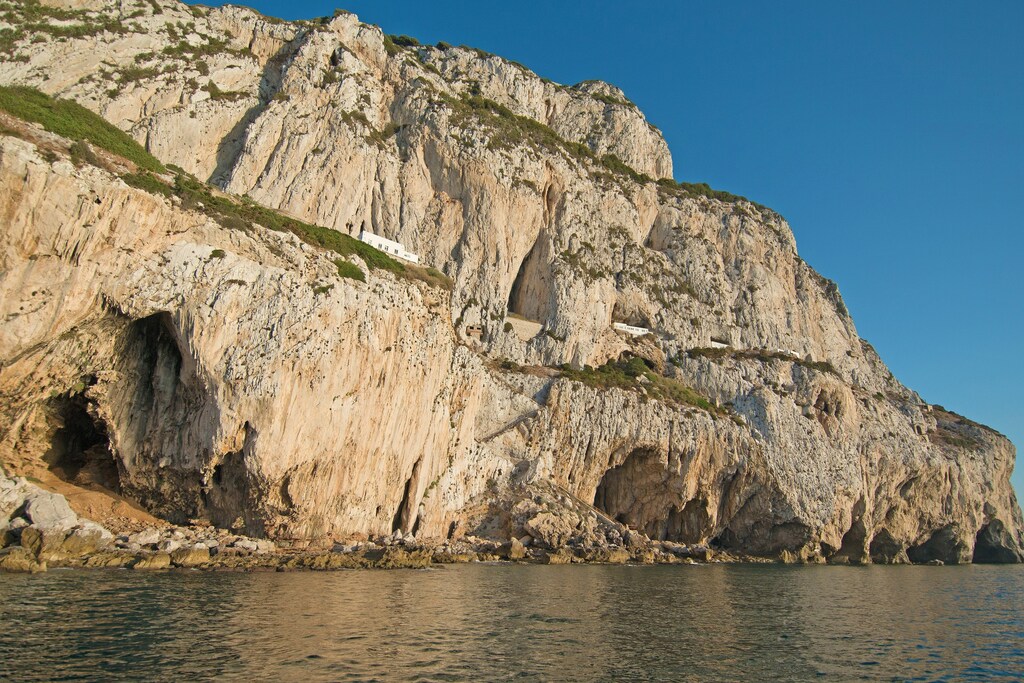
Caves in the cliffs on the eastern side of the Rock of Gibraltar show evidence of Neanderthal occupation.
Have you read?
How can we safeguard our cultural heritage?
This is how archaeologists find ancient monuments?
How does innovation lead to cultural evolution?