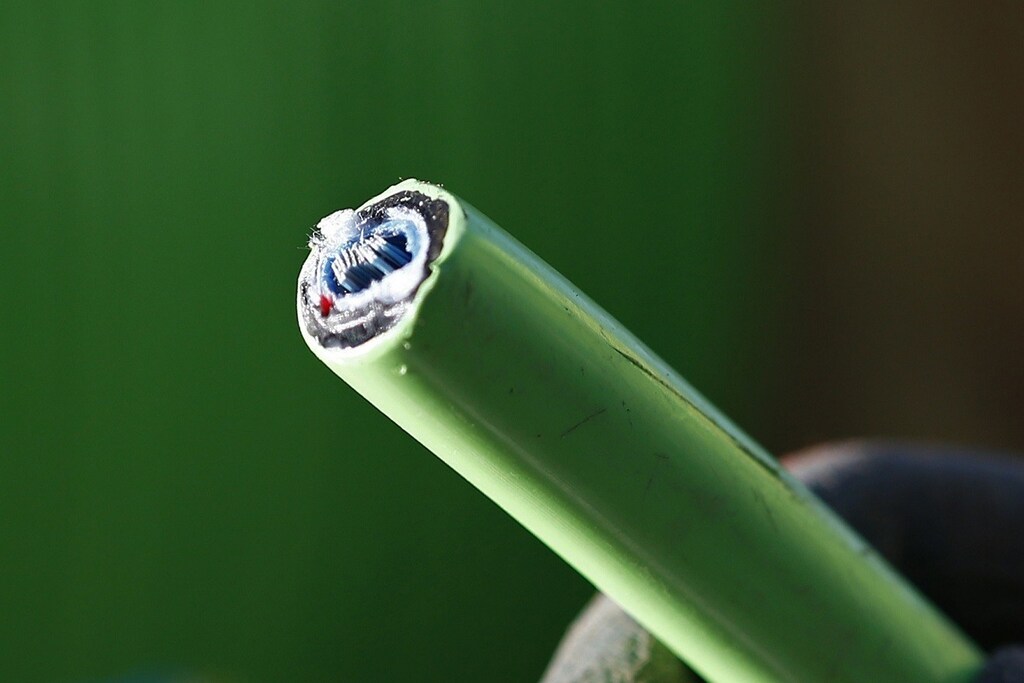
Facebook and Microsoft are teaming up to build a new underwater cable that will span more than 4,000 miles across the Atlantic Ocean, according to a new announcement.
The cable will help both companies transfer more data more quickly between the US and Europe, connecting hubs in northern Virginia and Bilbao, Spain.
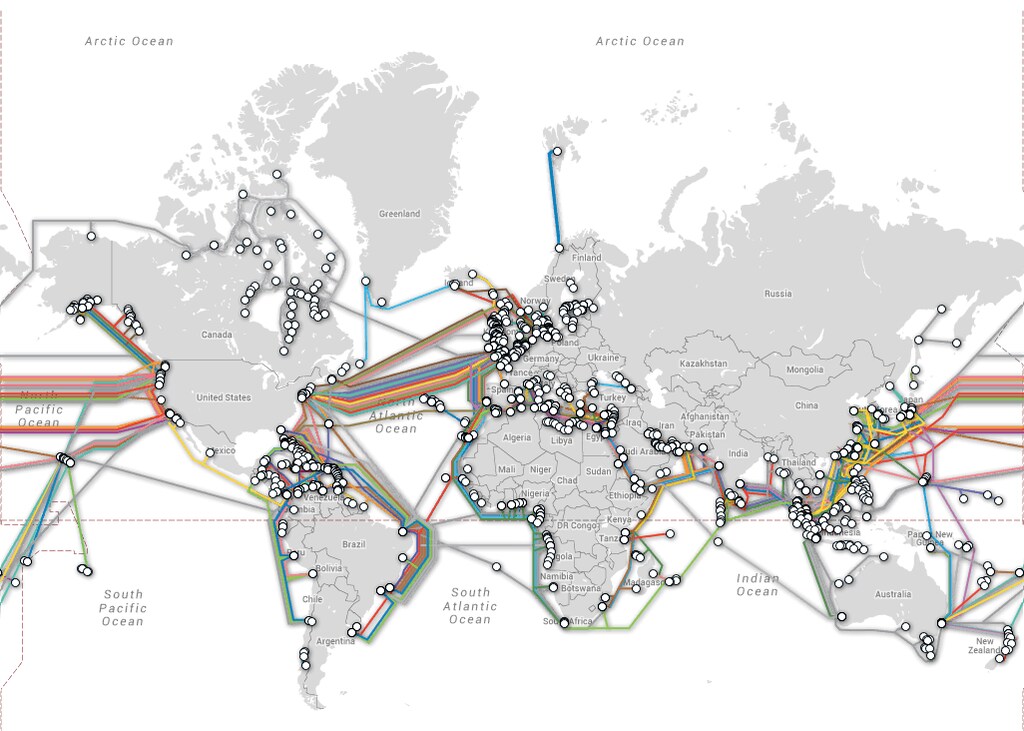
The move is meant to make Microsoft's and Facebook's services work more quickly and reliably for overseas users.
Telecommunications companies are usually the ones building massive undersea infrastructure like this, but as the data needs of tech giants grow they want to take greater control over the networks they rely on. For example, Google teamed up with five Asian telecom companies to fund a $300 million underwater cable network connecting the US and Japan in 2014.
Facebook has a slew of other initiatives to redesign telecommunications infrastructure, including tech to make radio towers more efficient and a wireless system tailored for dense urban areas.
The duo is calling its project MAREA, and construction will begin in August and end in October 2017.
Though the two tech giants are collaborating on the cable, it will be operated and managed by the telecommunications-infrastructure company Telxius.
More from Business Insider:
http://uk.businessinsider.com/microsoft-bans-stupid-passwords-2016-5
http://uk.businessinsider.com/information-providers-and-exchanges-wall-street-2016-5