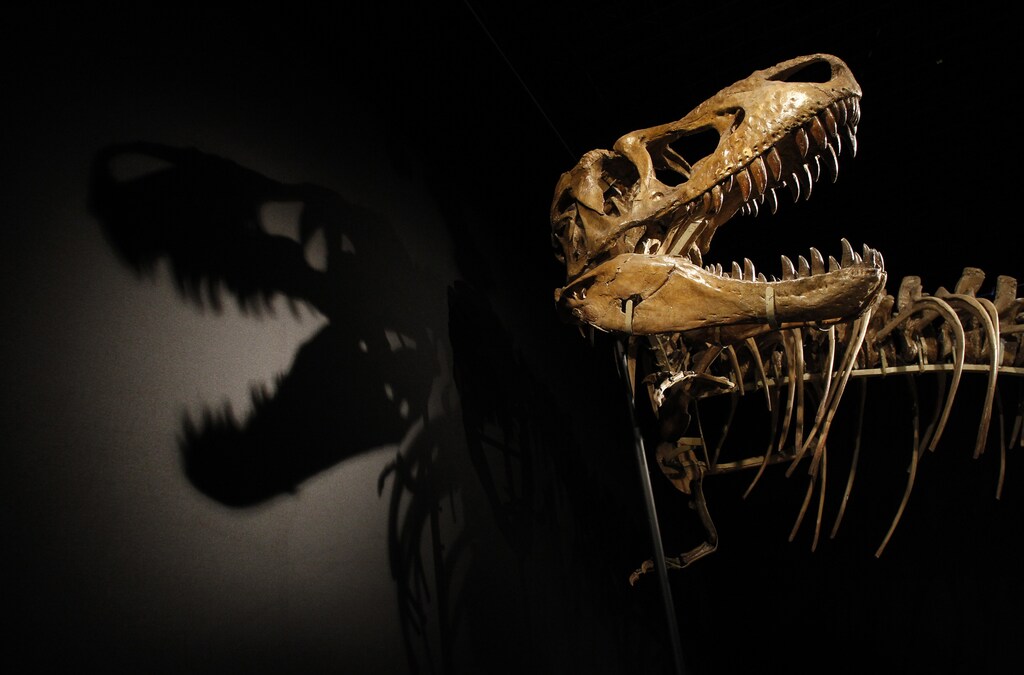
It’s long been thought that the dinosaurs died out after an asteroid hit the Earth, but new research has found they may not have been doing too well before that time – and a changing climate could well have been to blame.
A study published in the Proceedings of the National Academy of Sciences suggests dinosaurs were already in decline 50 million years before they were wiped out by the asteroid strike.
Researchers from the University of Bristol and the University of Reading analysed three major groups of dinosaur to see how the species developed and declined over time.
Through looking at fossil remains it was found that, to begin with – 231 million years ago - dinosaurs were successful, flourishing and evolving quickly. But then, around 160 million years ago, things began to slow, with the number of species declining at the 120 million year mark. The asteroid struck 66 million years ago.
“Even though they were wiped out ultimately by the impact of the asteroid, they were actually already on their way out around 50 million years before the asteroid hit,” lead research Dr Manabu Sakamoto explained.
Sakamoto said it is not clear what caused the decline, but climate change has been suggested as a possible explanation.
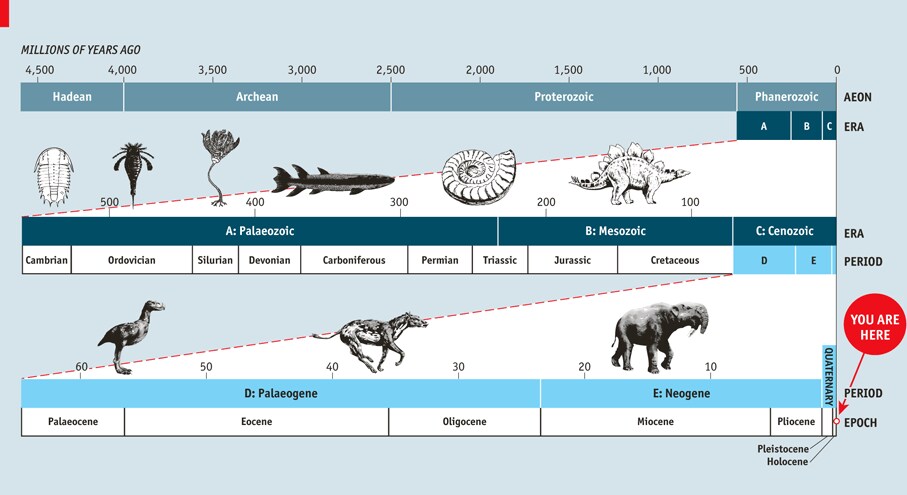
Dinosaurs thrived in warmer climates, similar to the conditions on Earth when they first emerged. Over time, the climate cooled and sea levels rose creating an environment more suited to mammals.
Co-author of the study, Professor Mike Benton believes that the mammal supremacy might have occurred eventually even if the 10km-wide asteroid had missed our planet, with dinosaurs suffering and mammals thriving in the changing climate.
Have you read?
Why are scientists taking dinosaurs’ temperatures?
How does life on Earth recover after a mass extinction?
Could dark matter have killed the dinosaurs?