Our physical and mental health is influenced by many environmental, societal and economic factors.
We don’t routinely capture these factors in our health data, making it harder to spot discrepancies or identify healthcare priorities.
The WHO Health Inequality Data Repository aims to address this.
It is a collection of data from multiple public sources, broken down by many inequality indicators, and is available to help policymakers better understand the dynamics at play.
Where we are born, our surroundings as we grow up, and the conditions in which we live and work all contribute to differences in our physical and mental health. Social, environmental and economic factors like these are known to create unequal health outcomes that are both systemic and avoidable.
Understanding these differences and why they occur is key to being able to address health inequality. And so the World Health Organization (WHO) has created the Health Inequality Data Repository – the largest global collection of inequality data about health and the determinants of health.
What is the Health Inequality Data Repository?
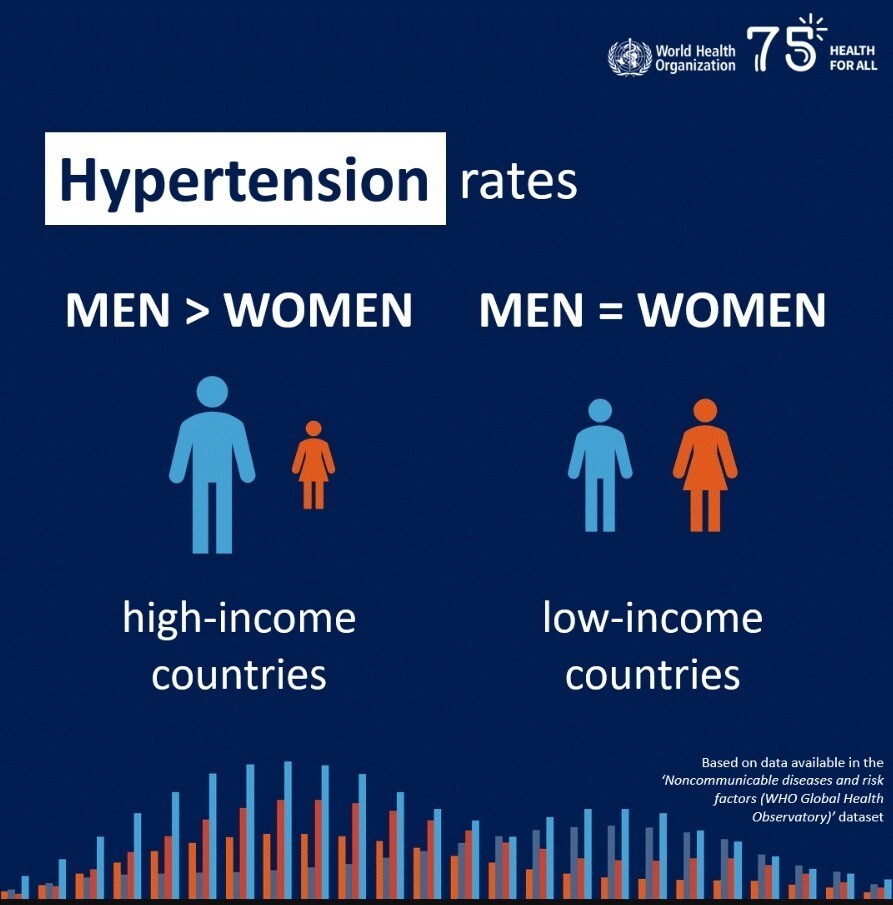
The repository was set up to tackle the shortage of disaggregated health data – or data which has been broken down into subcategories such as gender, level of education or location, for example.
This disaggregated data may reveal differences in health or health outcomes which were masked by aggregated data.
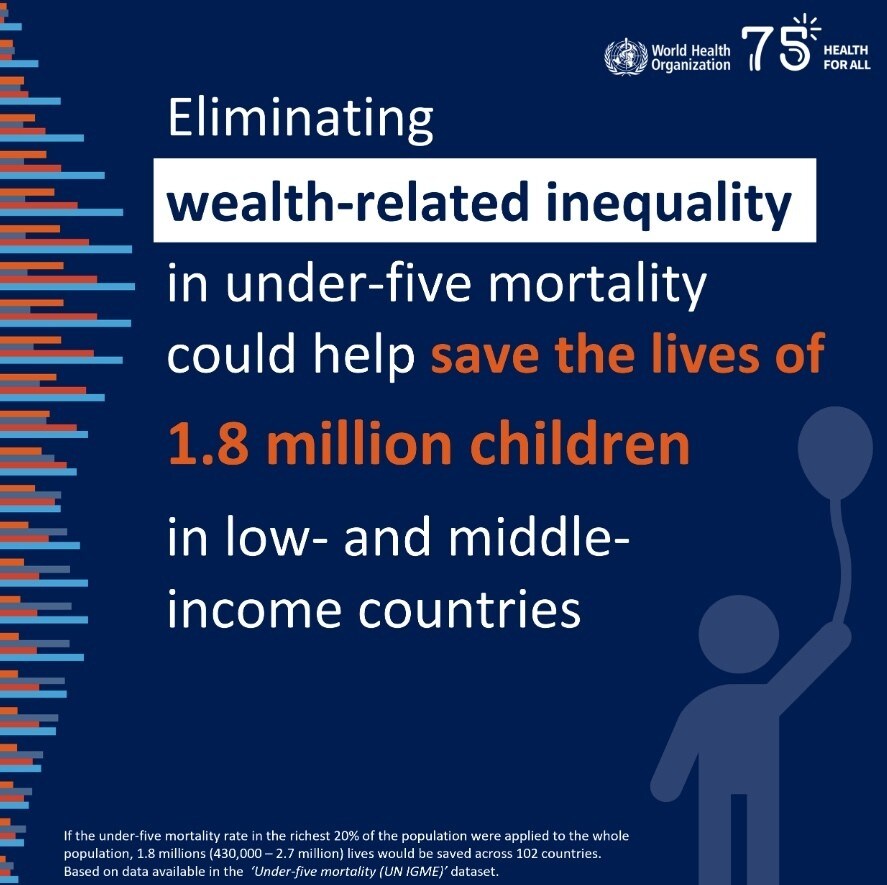
The WHO says only half the eligible Sustainable Development Goal (SDG) indicators have disaggregated data. And less than half of the indicators on SDG 3 in relation to good health and well-being have disaggregated data.
The most common ways data is broken down are by gender or age – other factors such as education, economic status or disability tend not to be separated out, the WHO says.
There are around 11 million data points across 59 data sets in the repository. This data is broken down by 22 different dimensions of inequality and comes from a variety of public sources.
Specific software helps users explore, analyze and report the data, which can be used to inform policies and programmes aimed at tackling health inequality.
A broader problem with health data
Patchy or limited data surrounding health is a widespread problem. Much of the data from clinical trials contains bias, for example, with women typically under-represented. There are also too few studies done involving non-white people.
This means that the data we use to inform much of our medication and treatment paths may not be tailored for the people being treated. It also makes it difficult to identify priority areas for funding and raise awareness of issues.
The World Economic Forum’s Global Health and Healthcare report highlights the importance of understanding and reacting to diversity in healthcare populations. It calls for clear guidelines for increasing inclusion to help countries create more resilient and equitable healthcare systems.