Disruption has become the buzzword in modern-day business circles. Almost every industry sector is being transformed in one way or another by advances in technology ranging from the rise of robotics, automation and artificial intelligence to the use of data analytics.
While a lot of attention is being paid to the impact of these developments on specific sectors, there seems to be less focus on the affect it is going to have on countries and their economic models. How ready are countries for the changes ahead; how able to adopt and harness the power of new technologies?
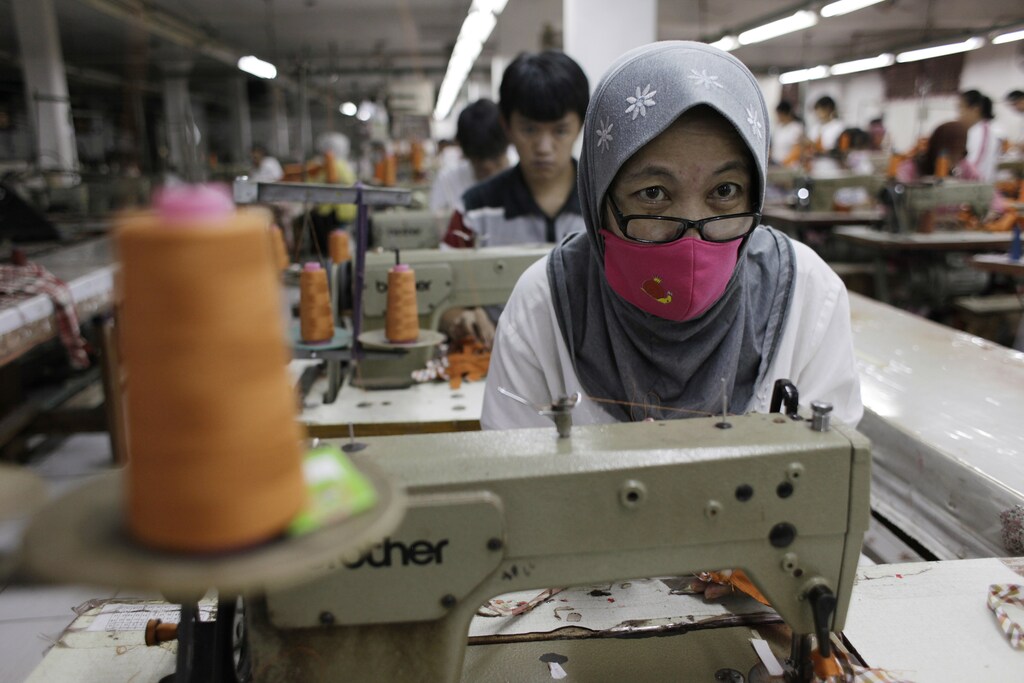
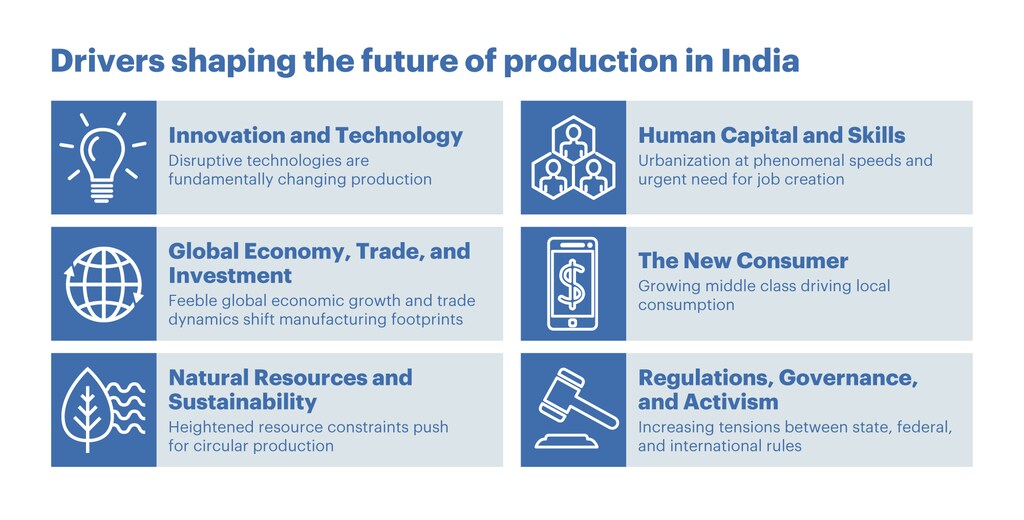
The manufacturing industry, a driver of economic growth for many countries, is facing particular challenges as disruptive technologies fundamentally change the factory floor. In India, manufacturing has traditionally lagged behind other sectors.
Prime Minister Narendra Modi’s Make in India initiative was launched to help boost the sector, as well as the overall economy. It has started well, helping to bring in record levels of foreign direct investment; business leaders are once again excited about India’s growth prospects.
However, it has also brought forward many of the challenges that emerging countries such as India face. The rapid transformation of the manufacturing sector means that countries need to adopt new technologies to keep up pace with the changing landscape.
This comes at a time when India is experiencing a demographic shift. As its middle class continues to grow, urbanization is picking up pace. Every minute, nearly 30 Indians move to an urban area, creating an urgent need for jobs.
This is why India will need to strike a delicate balance. It cannot afford to ignore change, and neither should it. Automation and other new technologies will improve productivity and boost the sector’s performance. Companies can cut product development and assembly costs by as much as 50% and save up to 7% of working capital by integrating big data into their operations.
___________________
Have you read?
4 steps towards smarter, faster factories
Indian workers are ready for the robot revolution. But are their managers?
More from the India 2016 blogs series
___________________
In fact, consumer expectations are changing along with industries, and are driving further shifts in the demand side of the economy, affecting the future of production. Consumers want newer and more innovative products, but at cheaper prices. India can no longer focus on high-volume, low-skilled work: it risks being left behind in a fast-changing industry.
Robots are going to play a crucial role. China, one of the world’s largest manufacturing hubs, is forecast to become the largest user of industrial robots by 2017, with an estimated 430,000 robots expected to come online.
While machines will boost productivity, they will also make some jobs redundant. This is a big challenge for India. In 14 years, the nation will have the world’s largest workforce, with 1 million people joining the 500 million existing workers every year until then. India’s manufacturing industry will have to find a way to accommodate them.
Managing the tension between technological development and the creation of jobs is a critical question for every economy that has manufacturing ambitions. As a co-chair at the World Economic Forum’s India Economic Summit 2016, I’m looking forward to discussing the challenges and opportunities for manufacturing in India, as well as to hearing ideas and solutions as to the best way forward for the industry and Indian economy.
The India Economic Summit is taking place in New Delhi, India, from 6-7 October.


