A weekly digest of stories about how the gender gap plays out around the world – in business, health, education and politics.
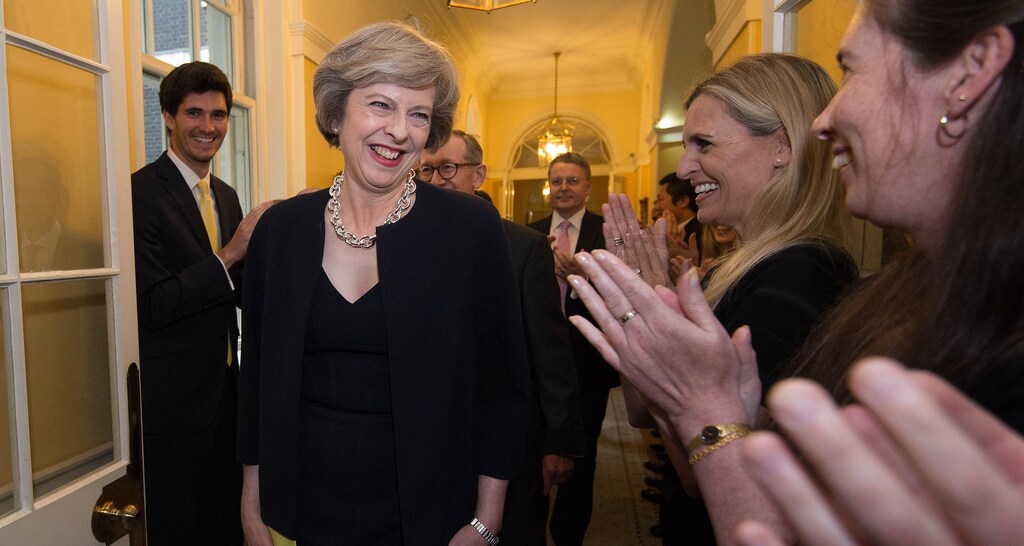
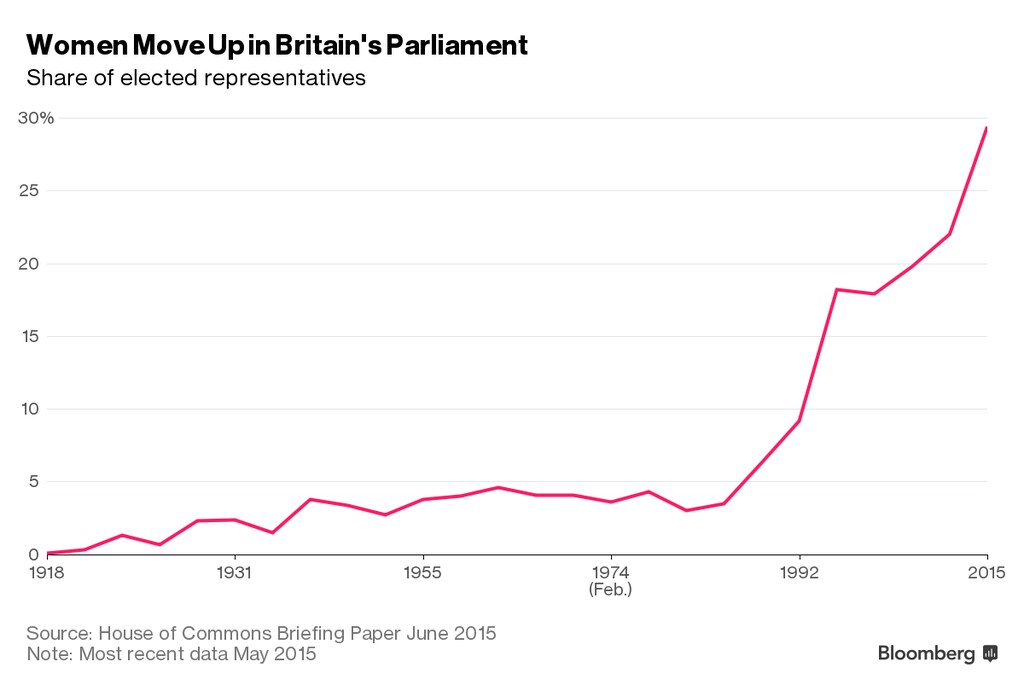
Women are cleaning up Britain’s Brexit mess. (Bloomberg)
Self-nudging and the successful entrepreneur. Language matters to women. (The Guardian)
Challenges women face when managing public-private partnerships. (Huffington Post)
South African startups have an equal number of male and female founders. (Tech Republic)
India’s financial inclusion gender divide is narrowing. (The Hindu Business Line)
Teenage girls are the key to a better future. But first they need our help. (World Economic Forum)
Qandeel Baloch: Social media celebrity culture meets 'honour killing'.(BBC)
The diversity problem in medical research starts with the mice. (Nature)
Misogyny named a hate crime. (BBC)
Sexual competition and public good: there's a link. (Nature)
These Egyptian women want to break the divorce taboo. (Al-Monitor)
It’s time to stop attacking moms. (Huffington Post)
Girls in blue-collar communities are being left behind. (The Atlantic)
Half of women under 44 are childless. Advertisers haven’t noticed. (Slate)
Women over 40 are having more babies than women under 20. (BBC)
All these countries have had a female head of state (before the US). (CNN Money)
Quote of the week
“We are complete with or without a mate, with or without a child. We get to decide for ourselves what is beautiful when it comes to our bodies. That decision is ours and ours alone. Let’s make that decision for ourselves and for the young women in this world who look to us as examples.”
Jennifer Anniston
For the Record, Huffington Post, July 2016