Your weekly digest of stories about how the gender gap plays out around the world – in business, health, education and politics.
Why is new technology designed primarily for men?
This viral video exposes the plight of 15 million child brides.
Why even Danish companies struggle with gender diversity in leadership roles.
First all-female Brunei pilot crew land in Saudi Arabia, where women can't drive.
Novak Djokovic questions equal prize money in tennis. (BBC)
Celebrating the outstanding African women of 2016. (Ventures)
Empowering women is not just about more female CEOs, UN panel warned. (The Guardian)
Women with fistulas: modern day lepers? (New York Times)
In Mexico, only 1 percent of sexual violence against women is investigated. (Telesur)
Digging out bomb victims in Syria. (The Daily Beast)
SXSW talks STEM, diversity, and lowering the bar. (CIO.com)
Violence and abuse of older women goes unchecked. (Reuters)
Pakistan's Women's Protection Act denounced, but not by women. (Reuters)
Inside Britain's Women's Equality Party. (Al Jazeera)
#unfairandlovely social media takes on skin lightening. (BBC)
Statistics of the week:
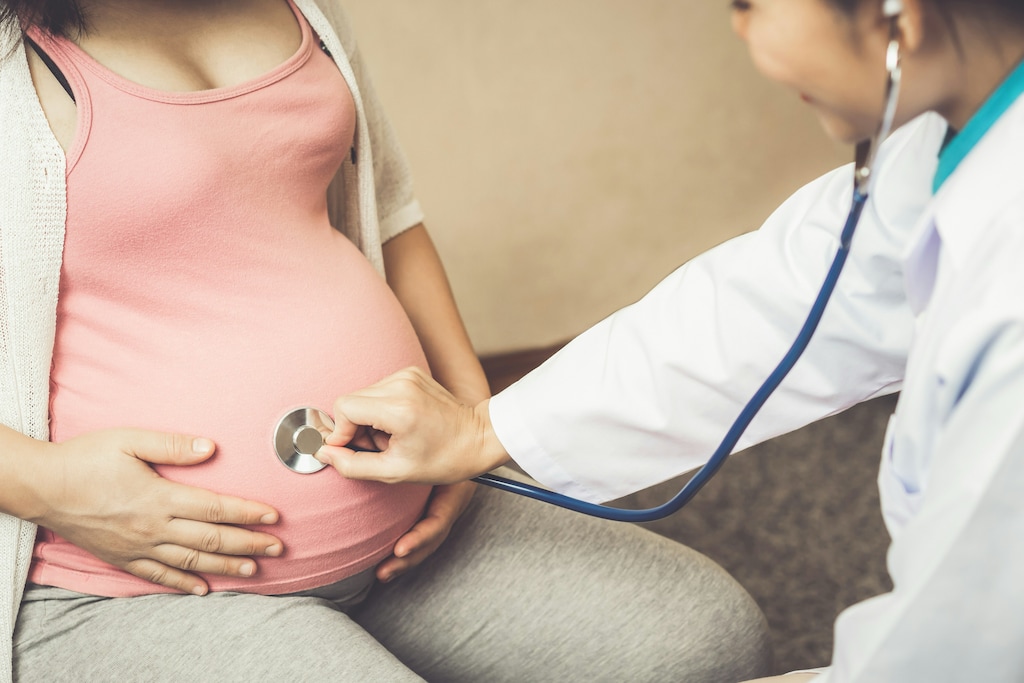
2 million young women live with untreated obstetric fistula (a hole in the birth canal) in Asia and sub-Saharan Africa.
80 – 95% of vaginal fistula can be closed surgically.
Ten facts on Obstetric Fistula
World Health Organisation
Quote of the week:
“Money and buildings are useless unless we have personnel to fill the hospitals and health centers, and engineers and labourers to build the roads and bridges, so that no woman is cut off by lack of access when she needs urgent skilled help to deliver her baby and to prevent her being injured and having a vaginal fistula to bear.”
Dr Catherine Hamilin
United Nations Population Award Acceptance Speech, 2004