A digest of stories about how the gender gap plays out around the world – in business, health, education and politics.
What will the family of the future look like?
Google is proposing new female emojis. Could they help close the gender gap?
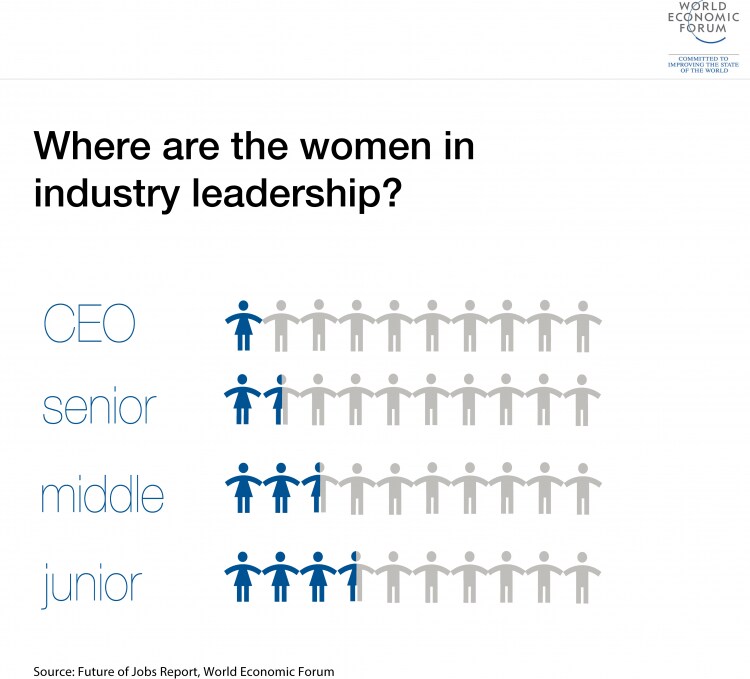
Is this the reason there aren’t more female leaders?
French female ex-ministers say non to sexual harassment. (France24)
Can a “Tinder for jobs” shatter hiring barriers in the tech world? (Business Insider)
Who is investing in women? Bloomberg’s new Gender Equality Index will reveal all. (Fortune)
Tactical Technology educates women’s rights advocates on online safety. (TechCrunch)
The factors that lead to a pay premium for women. (Harvard Business Review)
The gender pay gap persists almost everywhere. (Economist)
Head of UN Women says irking opponents comes with the battle for equality. (Reuters)
Gender equality in Silicon Valley will take a generation, say women founders and funders. (Forbes)
Bafta voters should nominate women. (Telegraph)
The proven way to tackle our unhealthy obsession with being thin. (Quartz)
Sent home unpaid for not wearing high heels. (Telegraph)
Statistics of the week
2.5: How much more time women spend on unpaid care and domestic work than men.
Progress of the world’s women 2015-2016
UN Women
Quote of the week
“If we work together in as many countries as possible we can by 2030 have substantive equality and changes that are irreversible. If we can do this the next generation will not look back.”
Phumzile Mlambo-Ngcukva, May 2016
Undersecretary-General and Executive Director, UN Women. Quoted by Reuters.