
A list of some of the week’s most interesting stories on economic growth and social inclusion
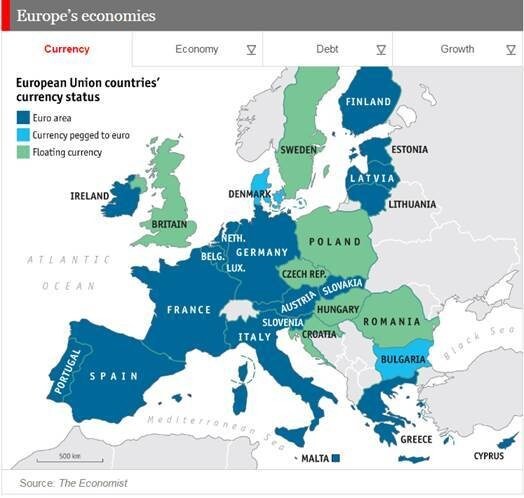
Facts and figures. A guide on currency, economy, debt and growth in the EU. (The Economist)
Of walls, factories and jobs – and a plan for America to advance prosperity for those that were left behind. (Financial Times)
More than a week after the U.S. elections, the question still looms large for many: why did Middle America vote for Trump? (Knowledge@Wharton)
No less important is this: what does the election mean for the inclusivity of future US growth? (McKinsey Global Institute)
What are the untapped opportunities for Japan to boost economic growth and social inclusion? (Bloomberg)
How does the Chinese government fare in leading the country up the development ladder through innovation? (HBR)
What’s the state of the global economy? Not all is bad. (Project Syndicate)
A positive take on how artificial intelligence can change our lives through innovation: tune into this podcast with futurist, inventor and entrepreneur Ray Kurzweil. (iMF direct)
Growing inequality undermines social stability. One take on how this plays out societies such as the U.S. (Bloomberg View)
In case you missed it. A speech by the Bank of England’s Andy Haldane on how economists have to change their perspectives. (Bank of England)