
There are plenty of ways to make the world a better place – but what could you do if you had $100 million?
In an effort to find smart solutions to the world’s most challenging problems, the MacArthur Foundation, a US-based philanthropic organization, has launched its new 100&Change competition.
The contest, to be held every three years, is open to organizations in any field, anywhere in the world, with a plan to tackle a critical issue facing people, places, or even the entire planet. The one with the best proposal will be awarded $100 million.
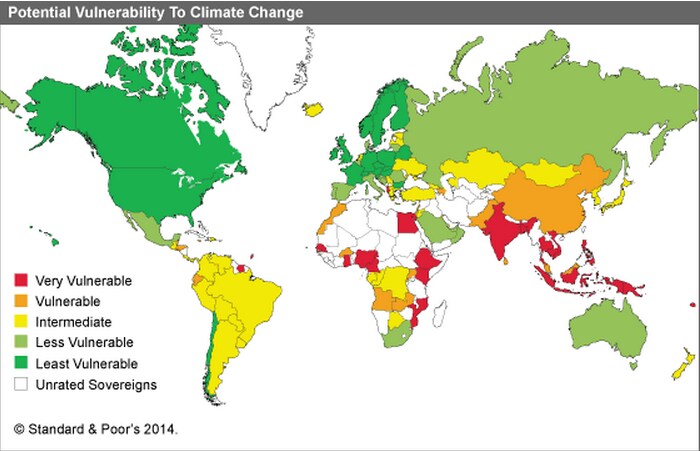
The Foundation said in a statement it was “placing a few big bets that truly significant progress” could be made on some of the world’s most pressing societal challenges like climate change and nuclear risk.
“Solving society’s most pressing problems isn’t easy, but we believe it can be done,” said MacArthur Foundation President Julia Stasch. “Potential solutions may go unnoticed or under-resourced and are waiting to be brought to scale.”
Each proposal will be reviewed by a panel of experts from a variety of fields. Cecilia Conrad, MacArthur’s managing director leading the competition, said the aim was to inspire more creative thinking around problem solving and to encourage other funders to back ideas.
“We believe that 100&Change can have a ripple effect beyond what a single $100 million grant enables,” she said.
“Setting audacious goals is inspiring. Clear evidence of impact can encourage other funders to invest in solvable problems more broadly, and applicants who do not receive the $100 million grant will still receive valuable feedback on and attention to their ideas.”
Have you read?
Small donations, big results: the changing face of philanthropy
Hacker philanthropy: Sean Parker and his approach to charity